
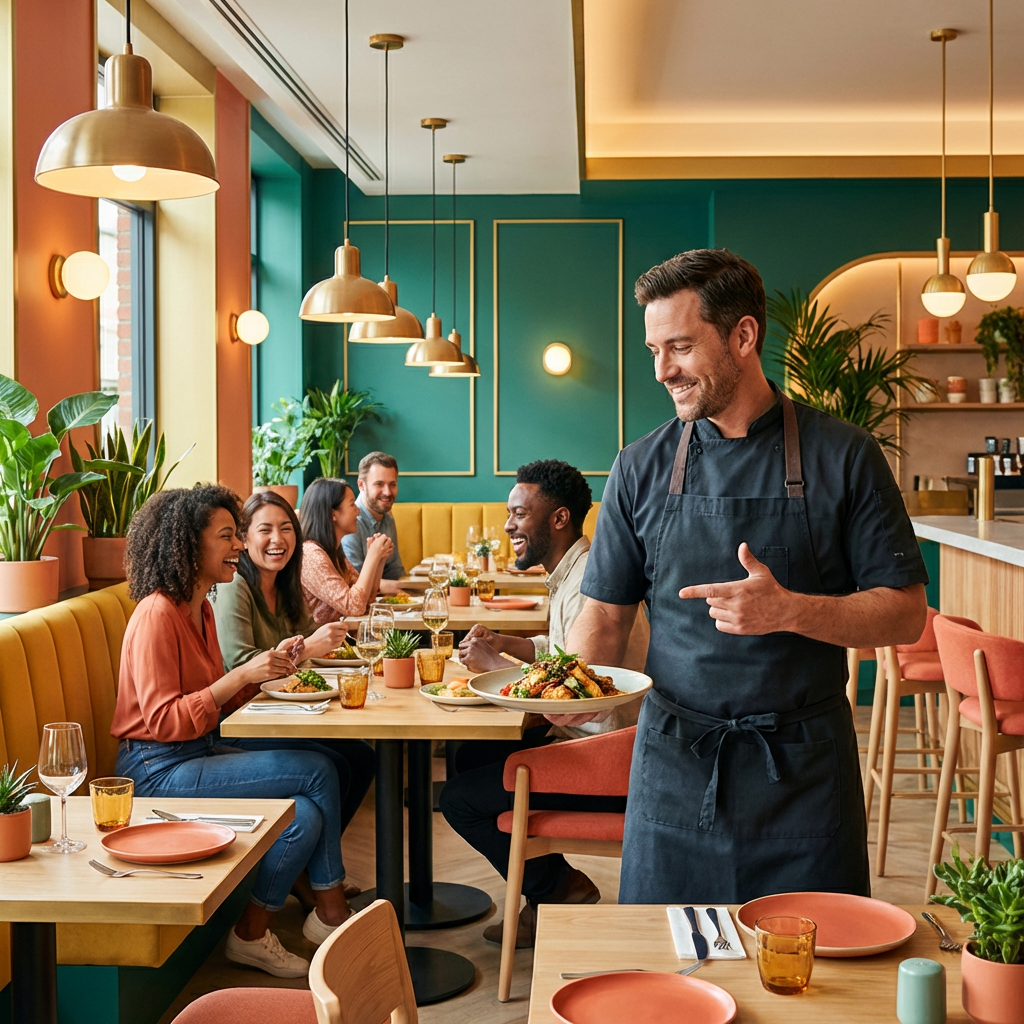
Opening a restaurant is a dream for many, but the reality is that the hospitality industry is fiercely competitive. The phrase “restaurant failure rate” strikes fear into the hearts of both seasoned chefs and new entrepreneurs alike. However, understanding the true statistics behind these closures is the first step toward building a resilient, long-lasting culinary legacy. Let’s delve deep into the real data and uncover exactly what separates thriving establishments from those that are forced to close their doors.
The Reality of the Restaurant Failure Rate in 2026
The narrative surrounding restaurant closures has been heavily skewed by sensationalized statistics. To truly grasp the challenges of the industry, we must separate fact from fiction.

Busting the most common myth in the hospitality industry.
Debunking the 90% Failure Myth
For decades, a widely cited but fundamentally flawed statistic suggested that 90% of restaurants fail within their first year. This pervasive myth has deterred countless passionate operators from pursuing their culinary ambitions. In reality, comprehensive socioeconomic studies indicate that the first-year closure rate is significantly lower. While the hospitality sector is undoubtedly challenging, the overwhelming majority of dedicated operators successfully navigate their initial twelve months by maintaining tight operational controls and realistic financial projections.
The origin of this myth can be traced back to anecdotal evidence rather than empirical data. When we examine actual business registration records and taxation filings, a much more nuanced picture emerges. Restaurants that launch with adequate capitalization and a clear understanding of their target demographic demonstrate remarkable resilience, disproving the idea that failure is a near certainty.
Current First-Year Survival Statistics
Recent data from industry analysts reveals that the true first-year restaurant failure rate hovers between 14% and 30%, a far cry from the mythical 90%. Interestingly, some recent reports suggest that the rate dropped to an unprecedented low of around 0.9% for specific segments in recent years, though an average of 17% is often cited for independently owned full-service restaurants. This indicates a robust capacity for survival among well-prepared entrepreneurs.
The operators who succeed in their inaugural year share distinct characteristics. They prioritize comprehensive market research, secure optimal locations, and maintain rigorous financial oversight. By anticipating the inevitable fluctuations in cash flow and consumer demand, these resilient businesses build a solid foundation that supports their growth well beyond the critical honeymoon phase of their grand opening.
The Five-Year and Ten-Year Milestones
As restaurants mature, the operational challenges evolve. Statistics show that the five-year failure rate ranges from 50% to 80%. This attrition is often the result of changing consumer preferences, increased local competition, and the exhaustion of initial operating capital. Surviving the five-year mark requires an agile approach to menu development and an unwavering commitment to consistent culinary quality.
Reaching the ten-year milestone is a testament to exceptional management and a deeply ingrained connection with the local community. Approximately 34.6% of restaurants remain operational after a decade. These enduring establishments have successfully transitioned from being merely a place to eat to becoming an integral part of the cultural fabric of their neighborhoods, supported by fiercely loyal clientele and highly optimized operational systems.
The Top 5 Reasons Restaurants Fail
While external economic pressures play a role, the vast majority of restaurant closures stem from internal vulnerabilities and preventable strategic errors.
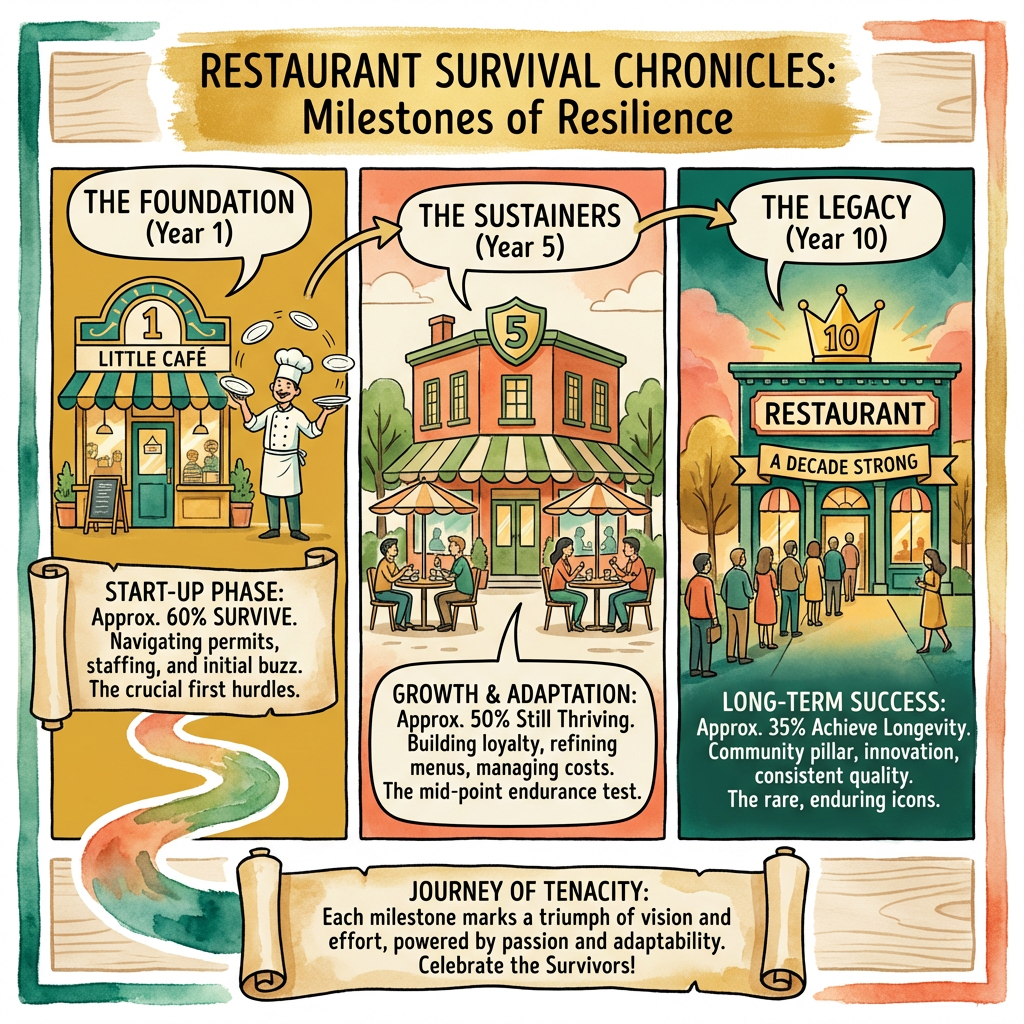
Tracking the realistic survival milestones for new restaurants.
Financial Mismanagement and Cash Flow Issues
The most insidious threat to any culinary enterprise is financial mismanagement. It is the primary catalyst for the restaurant failure rate. Many aspiring restaurateurs focus obsessively on menu development and interior design while neglecting the underlying mathematics of profitability. Inflated food costs, improper menu pricing, and bloated labor expenses quickly erode thin profit margins, leading to an irreversible cash flow crisis.
A successful restaurant is built on a foundation of relentless accounting. When operators fail to implement strict inventory controls or lack the capital reserves to weather seasonal downturns, they find themselves unable to meet fundamental obligations such as payroll and rent. Proper budgeting and daily financial forecasting are not optional; they are the absolute prerequisites for long-term survival in the hospitality industry.

Financial mismanagement is the leading cause of restaurant closures.
Inexperience and Lack of Strong Leadership
Passion for food does not automatically translate into the skills required to run a massive logistical operation. Opening a restaurant without substantial industry experience is a common precursor to failure. Novice operators often underestimate the sheer emotional and physical toll of managing a diverse workforce and dealing with relentless customer demands. The absence of strong, experienced leadership creates an environment of operational chaos.
Effective restaurant management requires the ability to make rapid, decisive choices under intense pressure. When leadership is weak, communication breaks down between the front-of-house staff and the kitchen, leading to devastating dips in service quality. Exceptional leaders understand that they are managing people first and serving food second; a failure to prioritize staff cultivation directly fuels the industry’s high turnover rates.
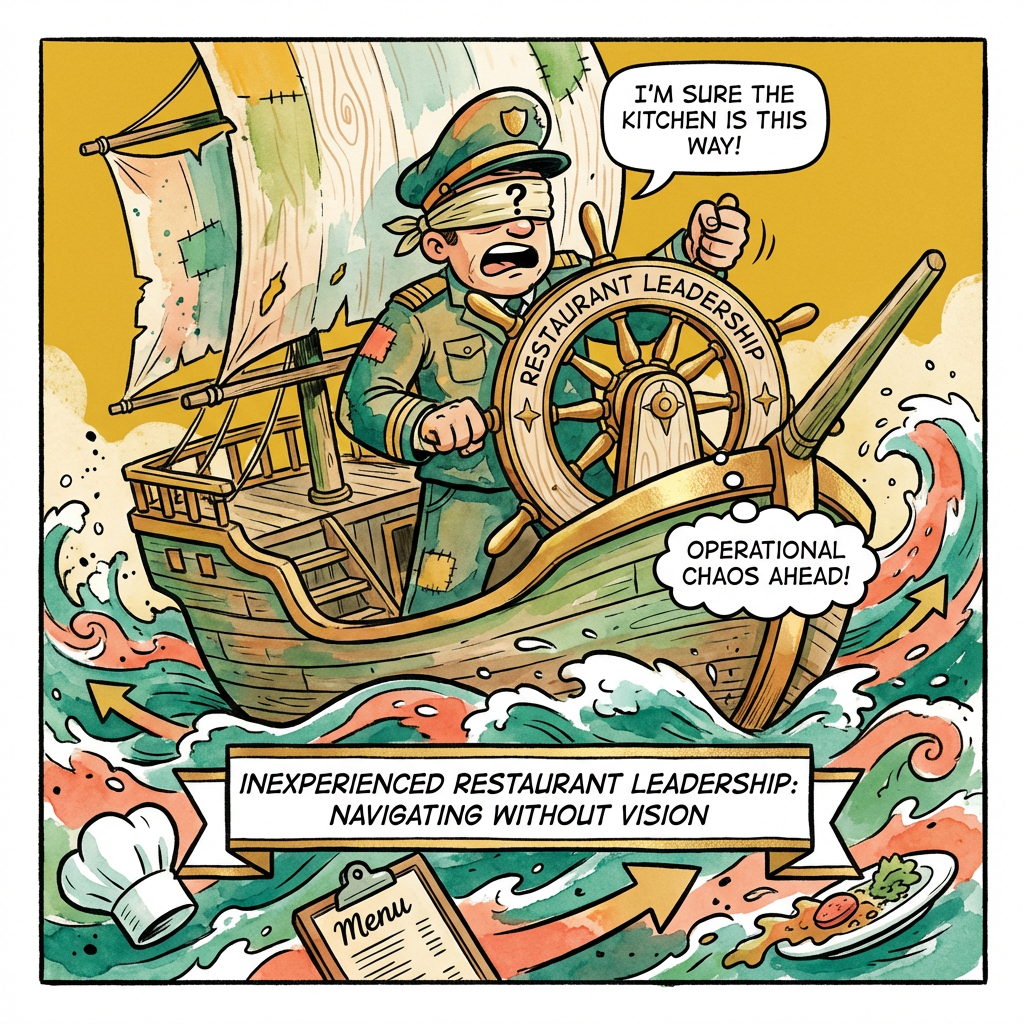
Strong leadership and experience are non-negotiable for long-term survival.
The Unforgiving Impact of a Poor Location
In the realm of physical retail and dining, geography determines destiny. Choosing an unsuitable location is an error that is notoriously difficult to correct. A space obscured from main traffic arteries, lacking adequate parking, or positioned in a neighborhood with incompatible demographics will struggle to generate the necessary volume of organic foot traffic, regardless of the culinary excellence being offered inside.
Restaurateurs often make the critical mistake of securing a lease based purely on a cheap rate rather than the site’s genuine commercial viability. An isolated location forces the business to rely entirely on expensive, aggressive marketing campaigns just to sustain baseline revenue operations. In contrast, securing a highly visible, strategic location functions as passive, perpetual advertising that drastically lowers customer acquisition costs.
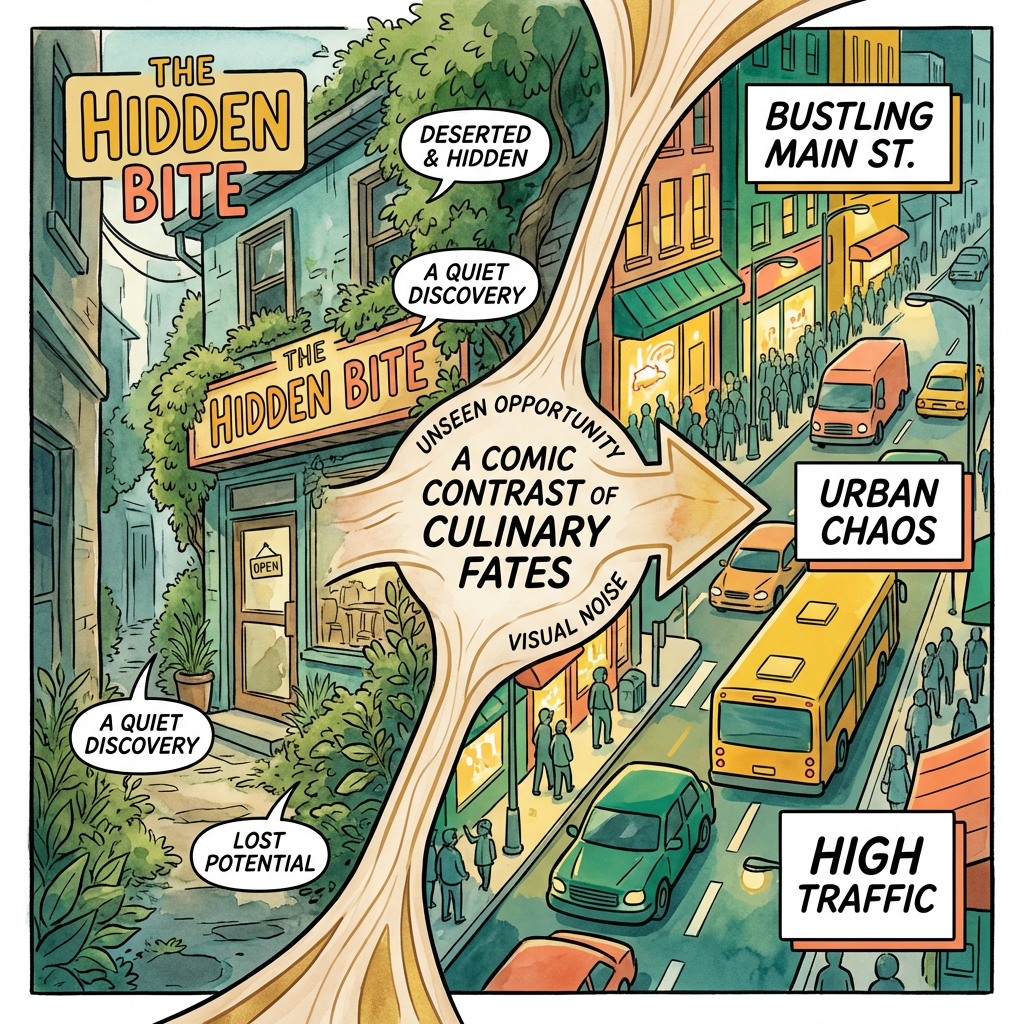
A poor location can doom even the best restaurant concepts.
Failing to Adapt Marketing and Menu Trends
The modern consumer is highly informed and constantly seeking novel dining experiences. Restaurants that become complacent and fail to adapt to evolving market trends are swiftly left behind. Relying solely on word-of-mouth advertising is no longer a viable strategy in a hyper-connected digital landscape. A distinct lack of proactive marketing, coupled with a stagnant menu, signals to the public that a brand has lost its creative momentum.
Adaptability is the hallmark of enduring brands. Establishments that ignore the shift toward sustainable sourcing, dietary specific alternatives, or integrated digital ordering platforms will see their customer base steadily erode. To maintain relevance, a restaurant must continuously audit its offerings and engage in aggressive, multi-channel marketing to constantly remind the community of its unique value proposition.

A detailed business plan is your blueprint for profitability.
Operational Inefficiencies and Staff Turnover
A restaurant is a complex manufacturing facility that demands precise execution. Operational inefficiencies—ranging from poorly designed kitchen layouts that bottleneck food production to disjointed reservation systems—create a frustrating environment for both staff and guests. When wait times increase and food quality becomes inconsistent, diners will simply take their discretionary income elsewhere, permanently damaging the establishment’s localized reputation.
These operational frictions are severely compounded by high employee turnover, a chronic issue in the hospitality sector. Constantly recruiting and training new staff places an immense financial burden on the business and dilutes the established service culture. Operators must focus heavily on creating a positive, structured work environment to retain top talent and ensure that the guest experience remains flawless and consistently predictable.
Proven Strategies to Beat the Odds and Thrive
A proactive, deeply analytical approach to business management is required to insulate a restaurant from industry volatility.
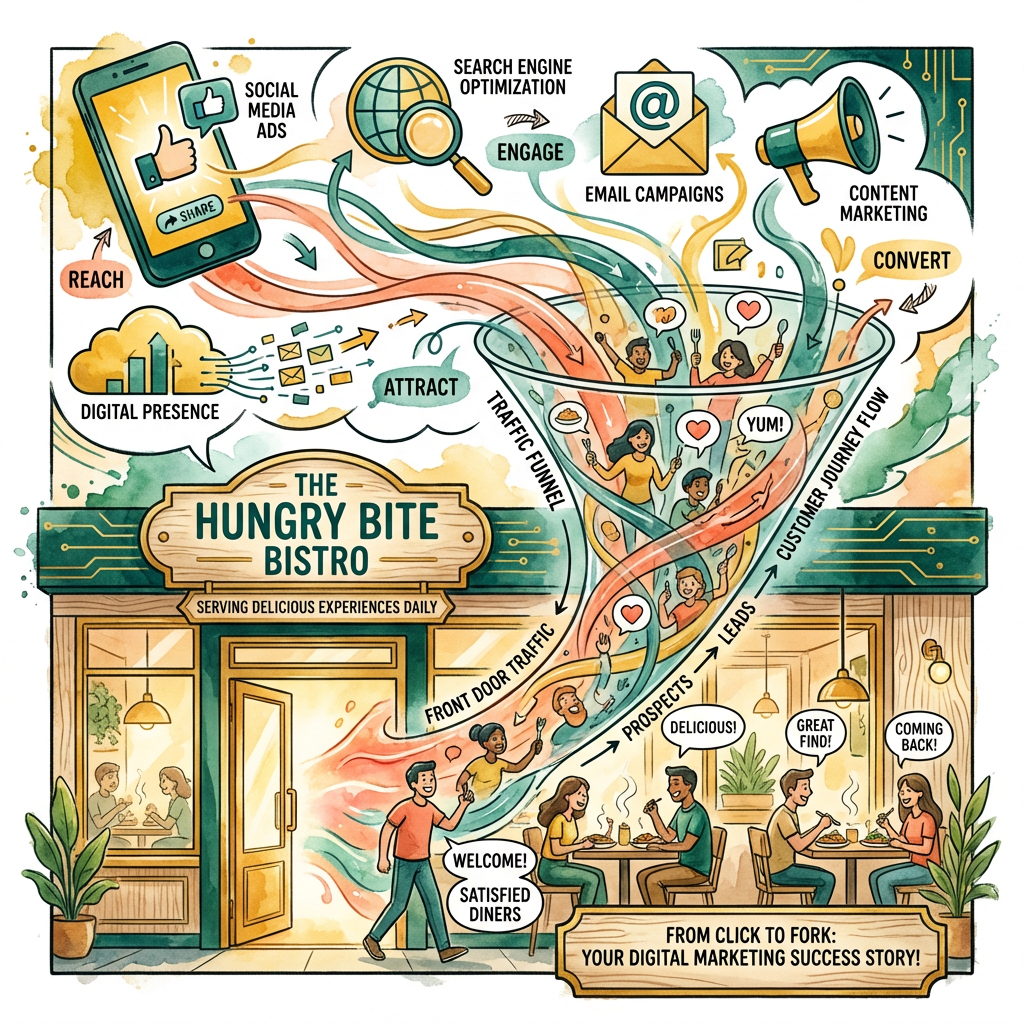
Modern restaurants must adapt their marketing to capture digital traffic.
Comprehensive Business and Financial Planning
To truly beat the restaurant failure rate, operators must construct a comprehensive business plan that borders on the obsessive. This plan must move beyond theoretical concept art to include rigorous competitive analysis, deeply researched demographic targeting, and highly conservative financial modeling. Preparing for the worst-case scenario ensures that the business is protected with an adequate cushion of working capital.
Financial planning must also include daily localized break-even analysis. Owners need to know exactly how many covers are required each shift just to keep the lights on. By instituting weekly profit and loss reviews rather than waiting for abstract monthly statements, managers can make micro-adjustments to labor schedules and vendor purchasing before minor bleeding turns into a catastrophic financial hemorrhage.
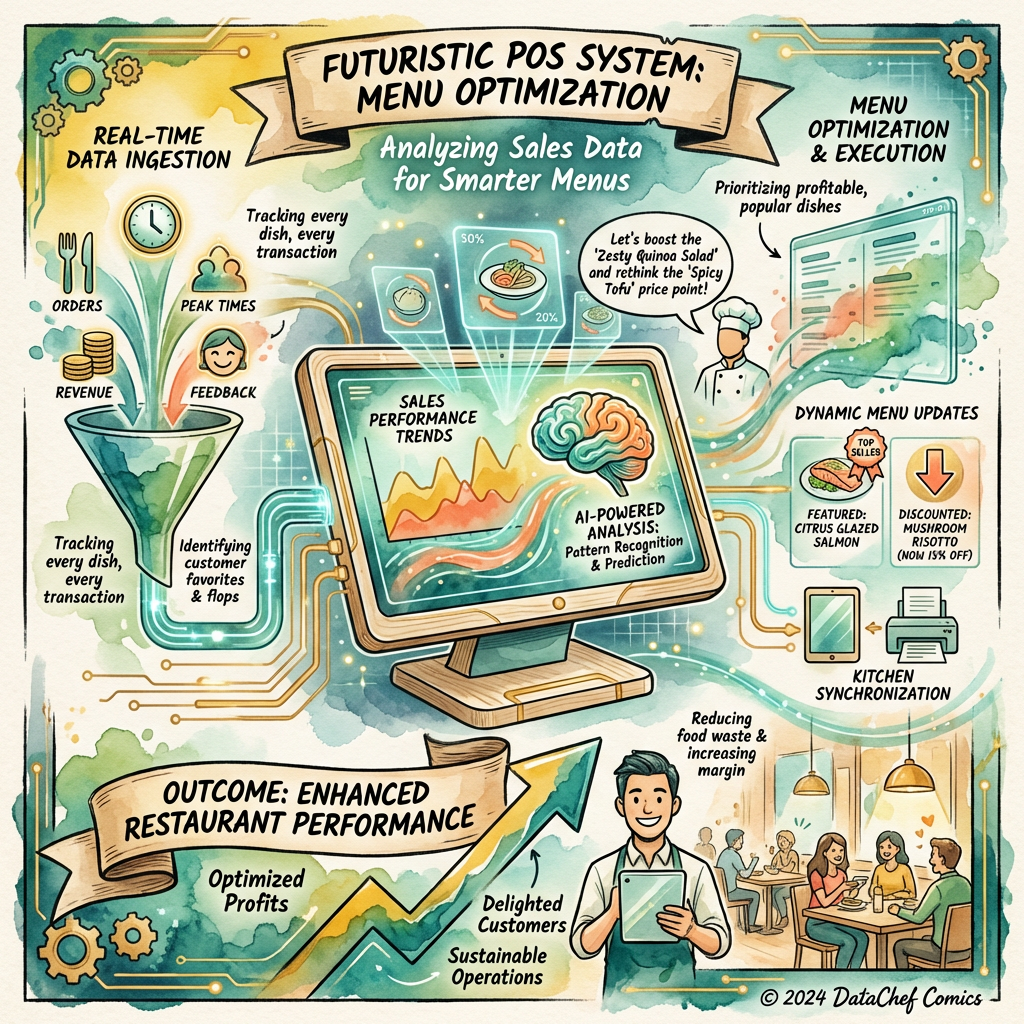
Technology and analytics provide crucial insights into your profit margins.
Choosing a Location Designed for Profitability
Site selection requires a granular, data-driven methodology. Instead of relying on intuition, prospective owners must analyze pedestrian density, vehicular traffic patterns, and the zoning stability of the surrounding neighborhood. It is highly advantageous to negotiate leases that include tenant improvement allowances or percentage rent structures, minimizing the initial capital expenditure layout required before the doors even open.
The physical integration of the building also dictates operational flow. A location designed for profitability provides seamless access for delivery drivers, optimized seating capacity to maximize revenue per square foot, and sufficient ventilation infrastructure. Prioritizing these seemingly mundane logistical details during the leasing phase prevents expensive, disruptive retrofitting delays once the restaurant is actively operating.
Implementing Powerful Digital Marketing and SEO
In today’s marketplace, a restaurant’s digital presence is just as critical as its physical storefront. Implementing a powerful digital marketing strategy is essential for capturing high-intent diners. This begins with aggressive local Search Engine Optimization (SEO), ensuring that the establishment ranks at the top of organic search queries when potential guests are looking for immediate dining solutions in their direct geographical vicinity. Implementing external data points—like the proven fact that acquiring a new customer costs five to twenty-five times more than retaining an existing one—highlights the necessity of balanced marketing.
Furthermore, operators must leverage high-quality semantic content across their platforms to connect with the audience. Cultivating a robust email marketing list allows the restaurant to bypass unpredictable social media algorithms and communicate directly with their most loyal patrons. By consistently offering localized value through compelling digital narratives, restaurants can artificially manufacture demand and fill their dining rooms even on traditionally slow weekday evenings. Make sure your restaurant marketing plan dictates a clear strategy.
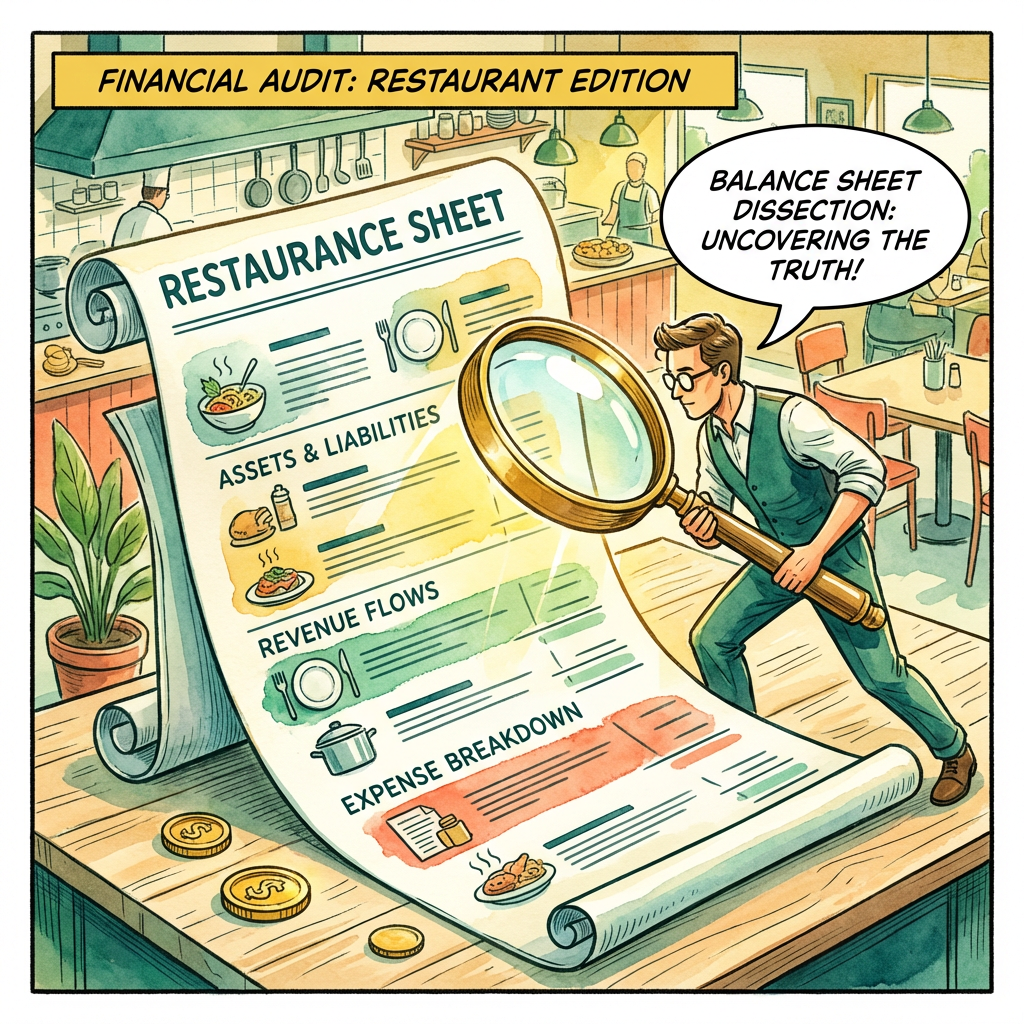
A merciless financial audit is the first step in turning around a struggling venue.
Harnessing Technology: POS Systems and Analytics
The days of managing a restaurant via handwritten tickets and instinct are over. Harnessing deeply integrated Point of Sale (POS) technology is a mandatory requirement for operational survival. Modern POS ecosystems provide real-time, granular data that tracks the velocity of individual menu items, highlights the efficiency of specific servers, and exposes hidden bottlenecks draining the kitchen’s production capacity.
By leveraging these rich analytics, owners can engineer their menus to prioritize high-margin dishes while ruthlessly eliminating items that require excessive labor or generate excessive food waste. Automated inventory tracking software further protects the bottom line by alerting management to subtle pricing increases from vendors, ensuring that the restaurant maintains its strict cost-of-goods-sold targets without compromising on quality. Connecting this with B2B catering systems is essential for diverse revenue.
How to Turn Around a Struggling Restaurant
When a restaurant begins to experience a sustained downward trajectory, immediate and decisive intervention is strictly required.
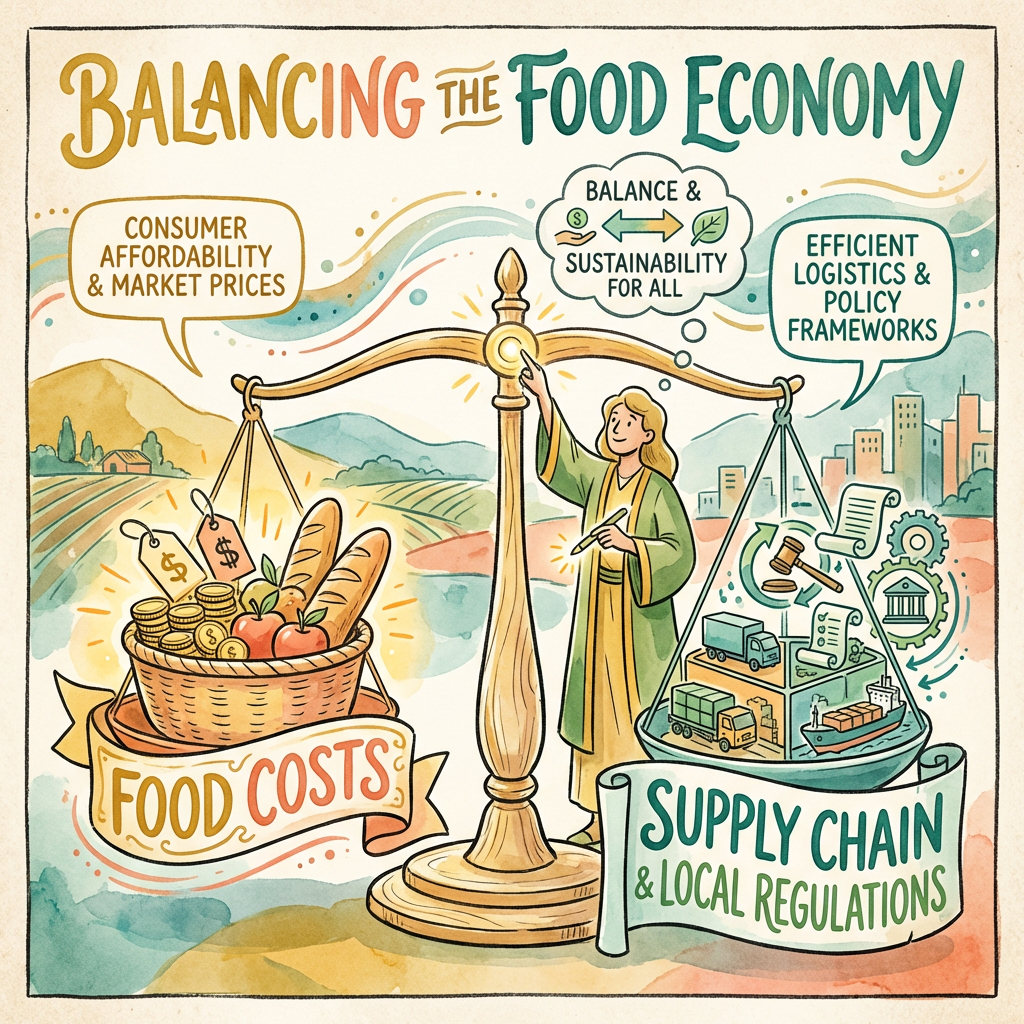
External economic shifts require agile operational adjustments.
Conducting a Merciless Financial Audit
The turnaround protocol begins with a merciless, exhaustive financial audit. Owners must strip away emotion and dissect every single line item on the profit and loss statement. This involves renegotiating contracts with suppliers, heavily auditing portion controls, and actively reducing utility waste. Survival dictates that every expenditure must directly contribute to the guest experience or generate immediate proportional revenue.
Labor optimization is often the most painful yet necessary aspect of this audit. Struggling operations must transition to highly optimized scheduling models, utilizing cross-trained staff to reduce redundant hours. By strictly aligning labor deployment with historical sales data profiles, the restaurant can halt its immediate cash bleed and stabilize its financial foundation, buying critical time to implement broader foundational brand changes.
Rebranding and Refreshing the Concept
If the initial concept has failed to resonate with the local market, a strategic rebrand may be the only path to salvation. This goes far beyond merely updating the logo; it requires a fundamental recalibration of the restaurant’s identity. Analyzing localized demographic shifts and aggressively soliciting unvarnished feedback from past guests will illuminate the exact disconnect between the establishment’s offerings and the consumer’s desires.
A successful concept refresh often involves simplifying the menu to focus exclusively on highly profitable core competencies. By stripping away confusing tangential dining options, the kitchen can execute a tighter, higher-quality vision. Reintroducing this newly focused concept to the market requires an aggressive re-launch campaign, communicating an entirely renewed commitment to excellence effectively overriding previous negative consumer biases.
Restructuring Operations and Staff Training
A turnaround is ultimately driven by the performance of the front-line staff. Restructuring operations requires tearing down inefficient legacy protocols and implementing streamlined, highly documented Standard Operating Procedures (SOPs). Every action, from the opening prep checklist to the final closing procedures, must be strictly codified to eliminate ambiguity and establish a culture of supreme accountability.
Simultaneously, the operator must invest heavily in comprehensive staff training. A demoralized team will actively repel paying guests. Rebuilding morale requires transparent leadership, aggressive retraining on hospitality fundamentals, and incentivizing exceptional performance. When the staff is unified, confident, and deeply aligned with the renewed brand vision, the resulting elevation in service quality becomes immediately apparent to the dining public.
The Role of External Factors in Restaurant Success
While internal execution is paramount, restaurants operate within a broader, highly volatile macroeconomic ecosystem that demands constant awareness.
Economic Shifts and Consumer Spending Habits
The hospitality industry is acutely sensitive to broader economic shifts. During periods of inflation or economic contraction, consumer discretionary spending is often the first variable to be actively reduced. Restaurants must anticipate these cyclical tightening phases by developing robust value-oriented menu options that retain price-sensitive guests without permanently degrading the integrity of the overall brand experience.
Conversely, understanding behavioral shifts is equally vital. The exponential rise in demand for off-premise dining and experiential entertainment has forced traditional models to aggressively pivot. Operators who closely monitor these macroeconomic consumer trends and rapidly deploy optimized delivery infrastructure or unique in-house participatory experiences will consistently outperform competitors who rigidly adhere to outdated, stagnant dining paradigms.
Supply Chain Volatility and Food Costs
The global food supply chain is fragile and highly susceptible to severe disruption. From fluctuating agricultural yields to geopolitical energy costs, external volatility directly impacts a restaurant’s cost of goods sold on a weekly basis. Operators can no longer rely on static pricing models; they must develop highly agile menus that can quickly swap out prohibitively expensive ingredients for high-quality, cost-effective seasonal alternatives.
Establishing deep, mutually beneficial relationships with a diverse matrix of local and national purveyors serves as a critical hedge against these localized disruptions. By diversifying their sourcing architecture and maintaining rigorous daily oversight of their purchasing analytics, restaurants can successfully insulate their profit margins from aggressive, unpredictable spikes in wholesale commodity pricing that would otherwise prove fatal.
Navigating Local Regulations and Permitting
The immense bureaucratic labyrinth of local health codes, zoning ordinances, and labor compliance regulations presents a massive external threat to continued operations. Ignorance of the law is never an acceptable defense in the hospitality sector. Minor infractions regarding fire safety protocols or improper liquor license renewals can result in catastrophic operational shutdowns and devastating localized reputational damage.
To survive, operators must view regulatory compliance not as an administrative burden, but as a foundational pillar of their risk management strategy. Fostering proactive, transparent relationships with local health inspectors and actively participating in municipal restaurant associations ensures that the business remains ahead of impending legislative shifts, securing the legal continuity required for long-term uninterrupted profitability.
Conclusion: Building a Resilient Restaurant Legacy
Surviving the intense pressures of the hospitality industry is a formidable but fundamentally achievable endeavor.
Summary of the Path to Long-Term Profitability
The restaurant failure rate is an intimidating statistic, but it is not a predetermined prophecy. Long-term profitability is the direct result of executing the fundamentals with ruthless precision. By deeply understanding the true financial mechanics of the industry, securing strategic locations, and maintaining an unwavering commitment to operational excellence, driven entrepreneurs can insulate their concepts from the common pitfalls that doom underprepared establishments. Success is a highly engineered outcome.
Next Steps for Aspiring and Current Owners
For those preparing to enter the market, the mandate is clear: prioritize exhaustive financial planning over aesthetic vanity, and surround yourself with experienced, capable leadership. For current owners navigating operational friction, immediately deploy a merciless financial audit and actively recalibrate your strategy based on hard data. The path to building a resilient, generational culinary legacy demands continuous adaptability and an uncompromising dedication to delivering exceptional hospitality value.