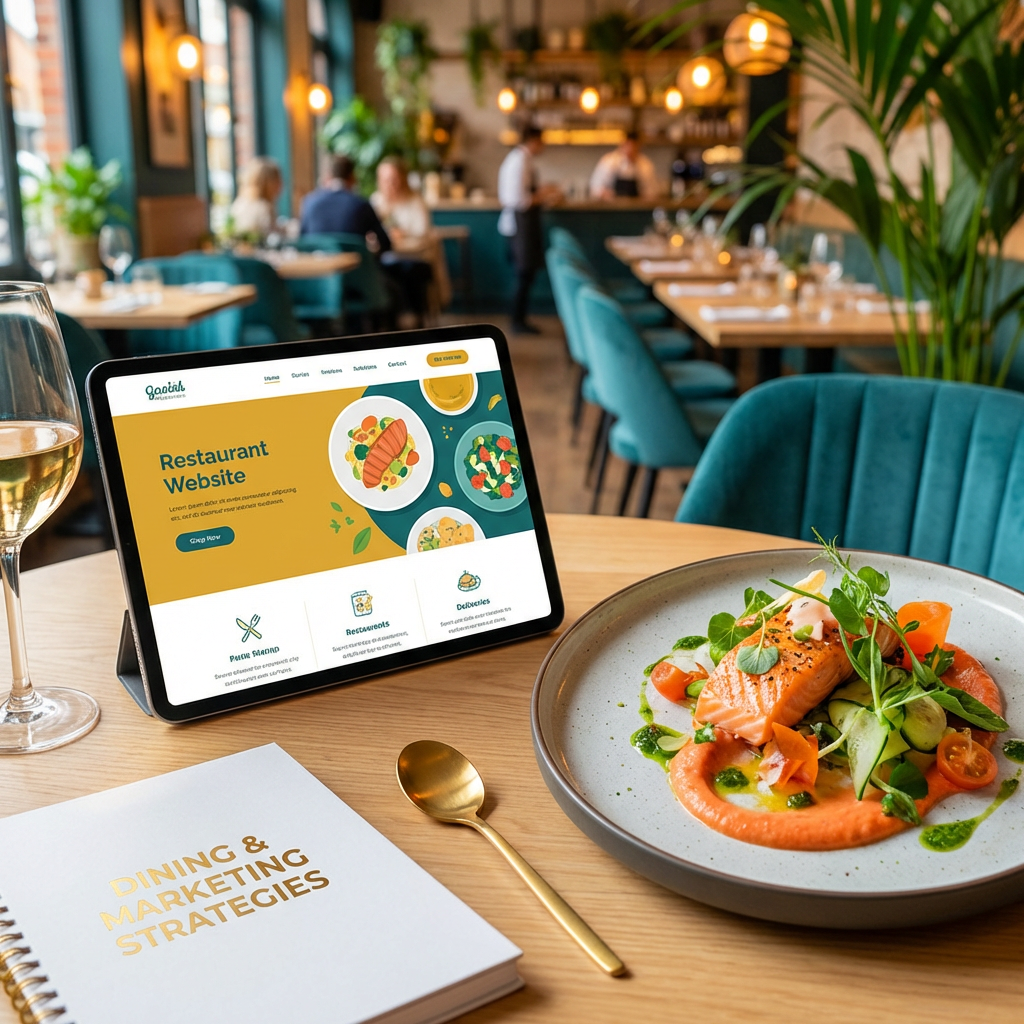
The restaurant industry is undergoing a digital and cultural renaissance. For years, driving foot traffic meant relying on traditional advertising, local mailers, and perhaps a basic social media presence. Today, the landscape of restaurant marketing has shifted dramatically. Guest expectations have evolved to demand unparalleled convenience, total transparency, and a profound personal connection with the brands they patronize. To succeed in 2026 and beyond, restaurant owners and marketers must move beyond disjointed marketing tactics and embrace a cohesive system that seamlessly integrates operational excellence, a robust digital footprint, and an unforgettable guest experience. This comprehensive guide explores the pivotal strategies that are shaping the future of restaurant marketing, helping you transform casual diners into lifelong brand advocates.
1. Customer Retention and Loyalty Programs Are Paramount
In the highly competitive hospitality landscape, the relentless pursuit of new customers is increasingly costly and inefficient. The most successful restaurant brands are shifting their focus from constant acquisition to maximizing Customer Lifetime Value (LTV) through sophisticated, data-driven retention strategies. A guest who returns regularly is exponentially more valuable than a one-time visitor, not only in terms of direct revenue but also as a powerful source of word-of-mouth referrals.
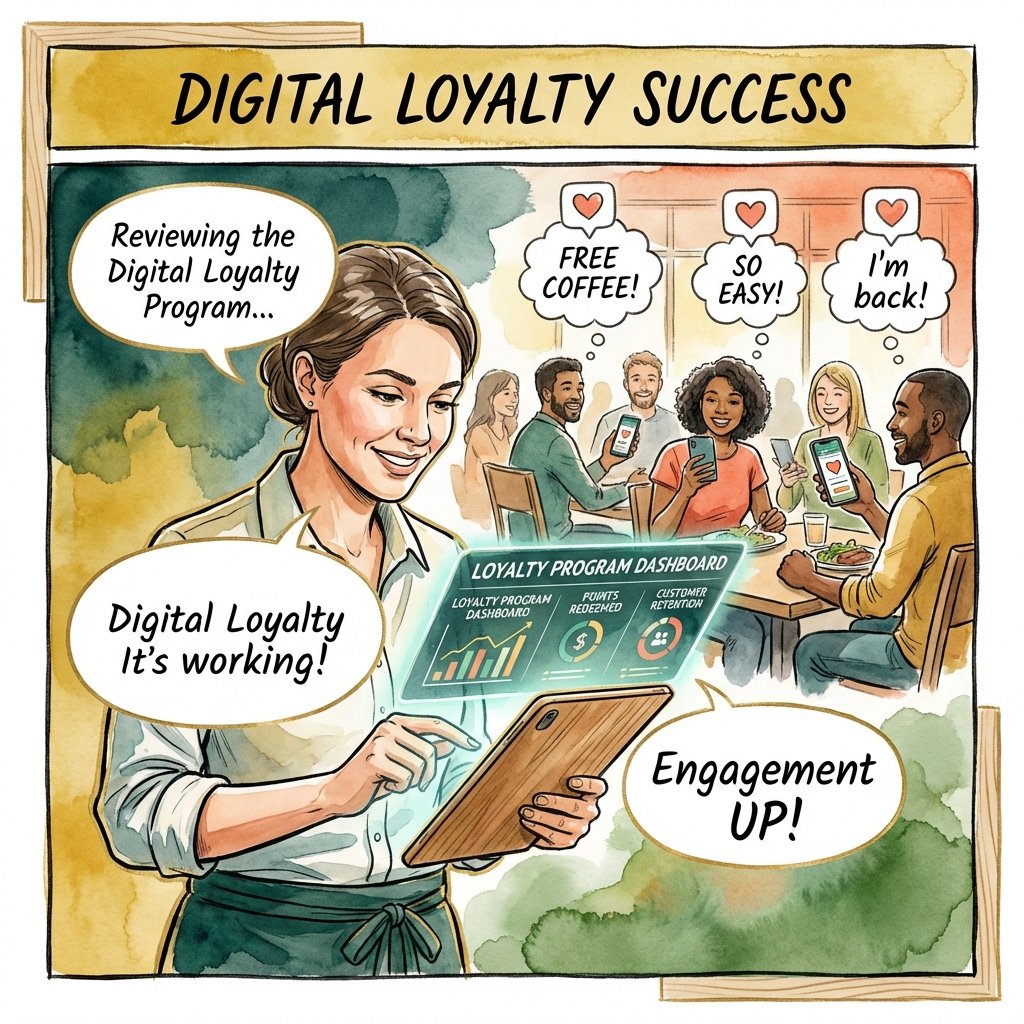
Maximizing Customer Lifetime Value through digital loyalty programs.
Modern loyalty programs have matured far beyond the traditional “buy ten, get one free” punch cards. Today, they are dynamic digital ecosystems that offer personalized rewards, VIP experiences, and exclusive access to off-menu items. By integrating a loyalty program seamlessly with your point-of-sale (POS) system and mobile app, you can track individual guest preferences, average spend, and visit frequency. This rich data allows you to trigger automated, highly targeted email and SMS campaigns. For instance, if a loyal customer hasn’t visited in a month, an automated text offering a complimentary appetizer with their favorite entree can effectively reignite their interest. When executed correctly, these personalized touchpoints feature incredibly high open rates and drive significant incremental revenue.
Furthermore, tiered loyalty structures that reward total spend rather than just visit count encourage higher check averages. Offering “surprise and delight” moments—such as a free dessert on a birthday or priority seating on a busy Friday night—fosters a deep emotional connection between the guest and your restaurant. Ultimately, a robust loyalty program transforms transactional dining into a relationship-driven experience, ensuring your restaurant remains top-of-mind whenever the question of “where should we eat?” arises.
2. Hyper-Local SEO and Google Business Profile Optimization
When consumers are hungry, their first instinct is typically to pull out their smartphone and search “restaurants near me” or type a specific cuisine into Google Maps. Dominating these local search results is no longer optional; it is the cornerstone of modern restaurant visibility. Hyper-local Search Engine Optimization (SEO) ensures that your establishment appears prominently when potential guests are searching within your immediate geographic vicinity.
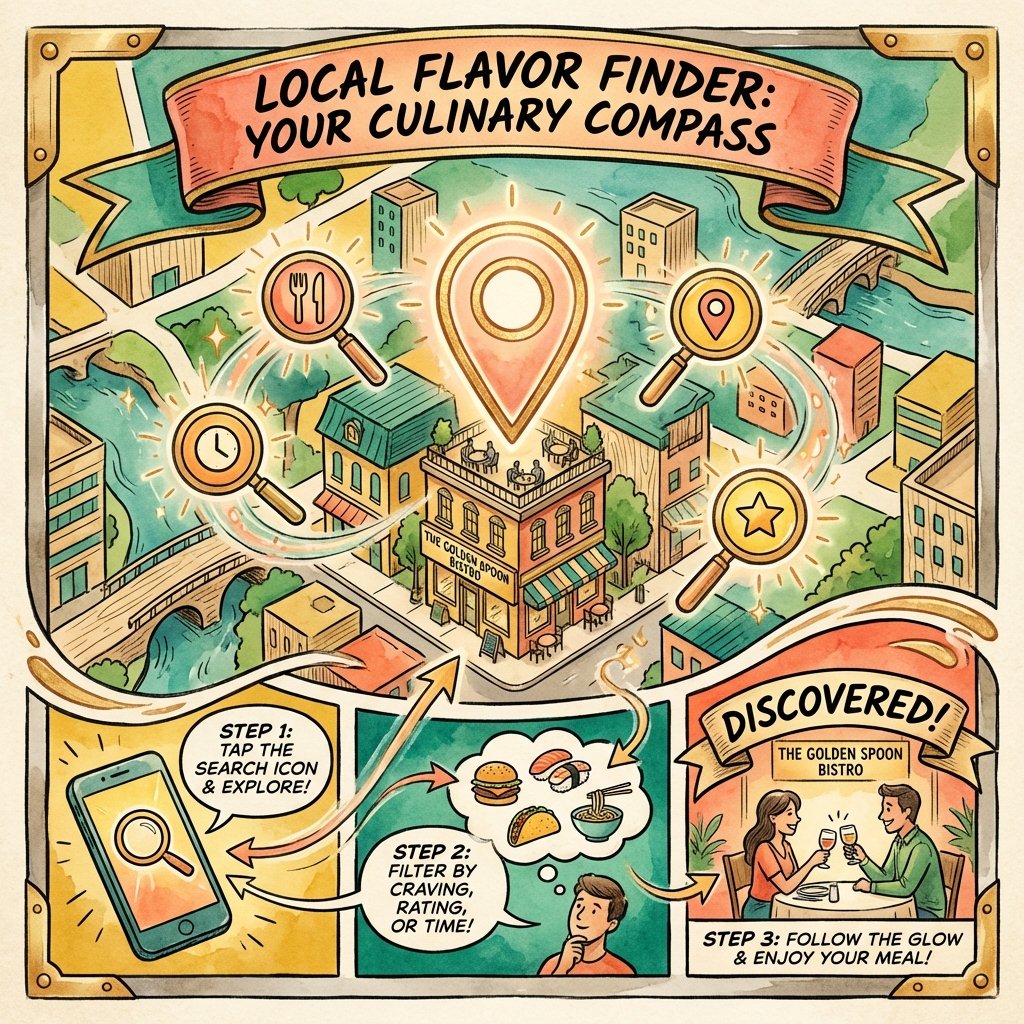
Dominating local search results to capture neighborhood diners.
The absolute foundation of hyper-local SEO is a meticulously optimized Google Business Profile (GBP). This free listing is often the very first interaction a potential customer has with your brand. It must be comprehensively filled out, featuring accurate hours of operation, a direct link to your menu, a reservation link, and high-quality, appetizing photos of your most popular dishes. Consistency in your Name, Address, and Phone Number (NAP) across your GBP, website, and all other online directories is critical for building search engine trust and improving your local ranking.
Beyond the basics, active GBP management involves regularly posting updates, promoting upcoming events, and promptly responding to all customer reviews—both positive and negative. Incorporating geo-specific keywords into your website content, such as “best Italian restaurant in downtown [City]” or “patio dining near [Landmark],” signals to search algorithms exactly where you are and what you offer. Given that a significant percentage of local mobile searches lead to an in-person visit within twenty-four hours, investing in hyper-local SEO directly translates to more bodies in seats.
3. Data-Driven Personalization and Artificial Intelligence
The integration of Artificial Intelligence (AI) and advanced data analytics is revolutionizing how restaurants interact with their customer base. We have moved from the era of mass marketing—sending the same generic email blast to every subscriber—to an age of hyper-personalization at scale. By aggressively capturing and structuring first-party data, restaurants can understand the nuanced nuances of their guests’ demographics, preferences, and ordering behaviors.
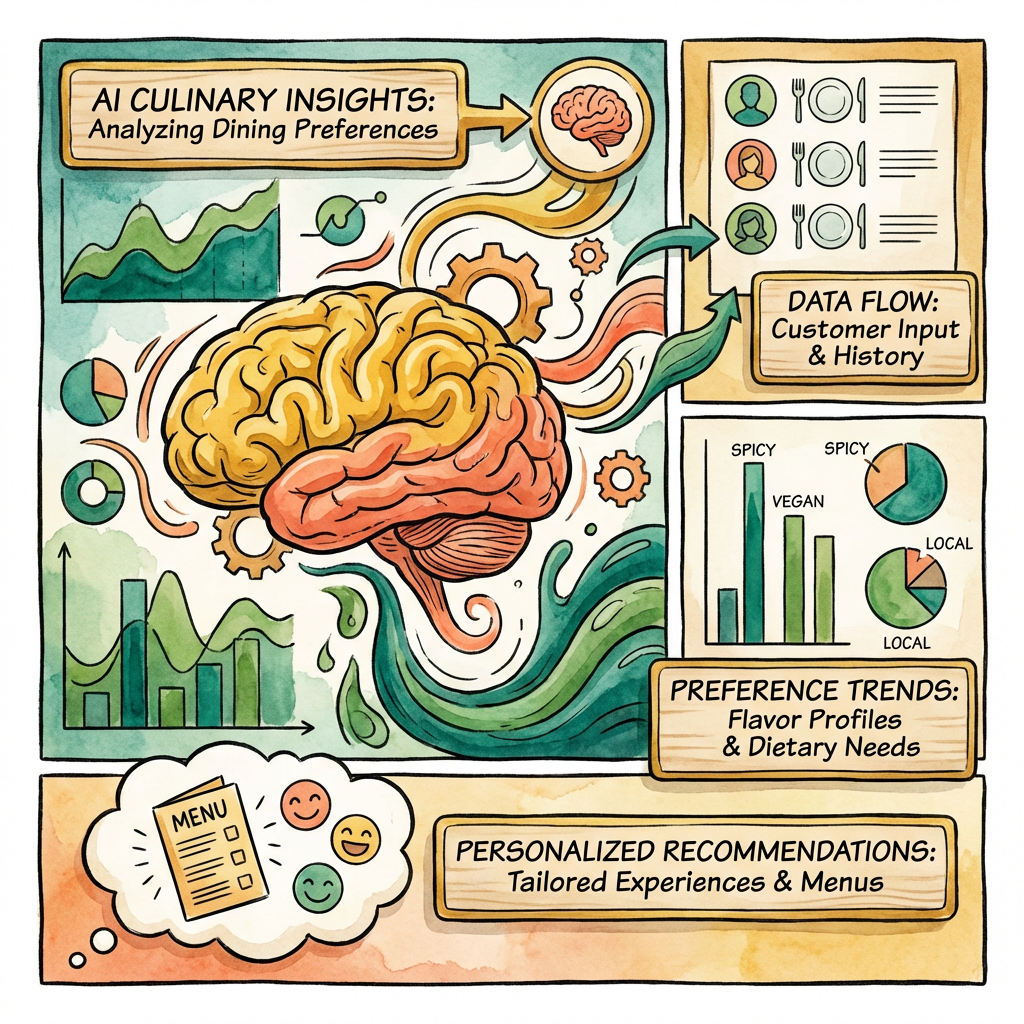
Using AI and data analytics to personalize the guest experience.
AI algorithms can analyze vast datasets to segment guests into distinct cohorts based on their historical behavior. For example, a system might identify “weekend brunch enthusiasts,” “weekday lunch professionals,” and “high-value dinner patrons.” Armed with this segmentation, marketers can deliver customized offers and automated menu recommendations that are statistically highly likely to convert. If a customer frequently orders vegetarian dishes, the AI ensures their promotional emails highlight the new seasonal plant-based menu rather than a steak special.
Furthermore, predictive analytics can forecast repeat visit probabilities and identify guests who are at risk of churning. This allows restaurant operators to intervene proactively with targeted retention campaigns. On the operational side, AI can also optimize menu pricing dynamically based on demand, weather patterns, and local events, maximizing profitability while maintaining perceived value. Embracing data-driven personalization transitions a restaurant from being merely a place to eat to an intuitive service that anticipates and fulfills individual guest desires.
4. High-Converting Websites and Direct Online Ordering
In 2026, a restaurant’s website is its “Digital Kingdom.” It is the central hub of your brand identity and the most critical platform for securing direct revenue. While third-party delivery apps offer visibility, they charge exorbitant commission fees and aggressively mask valuable customer data. A high-converting, independent website allows you to reclaim control over your margins and build your own proprietary customer database.
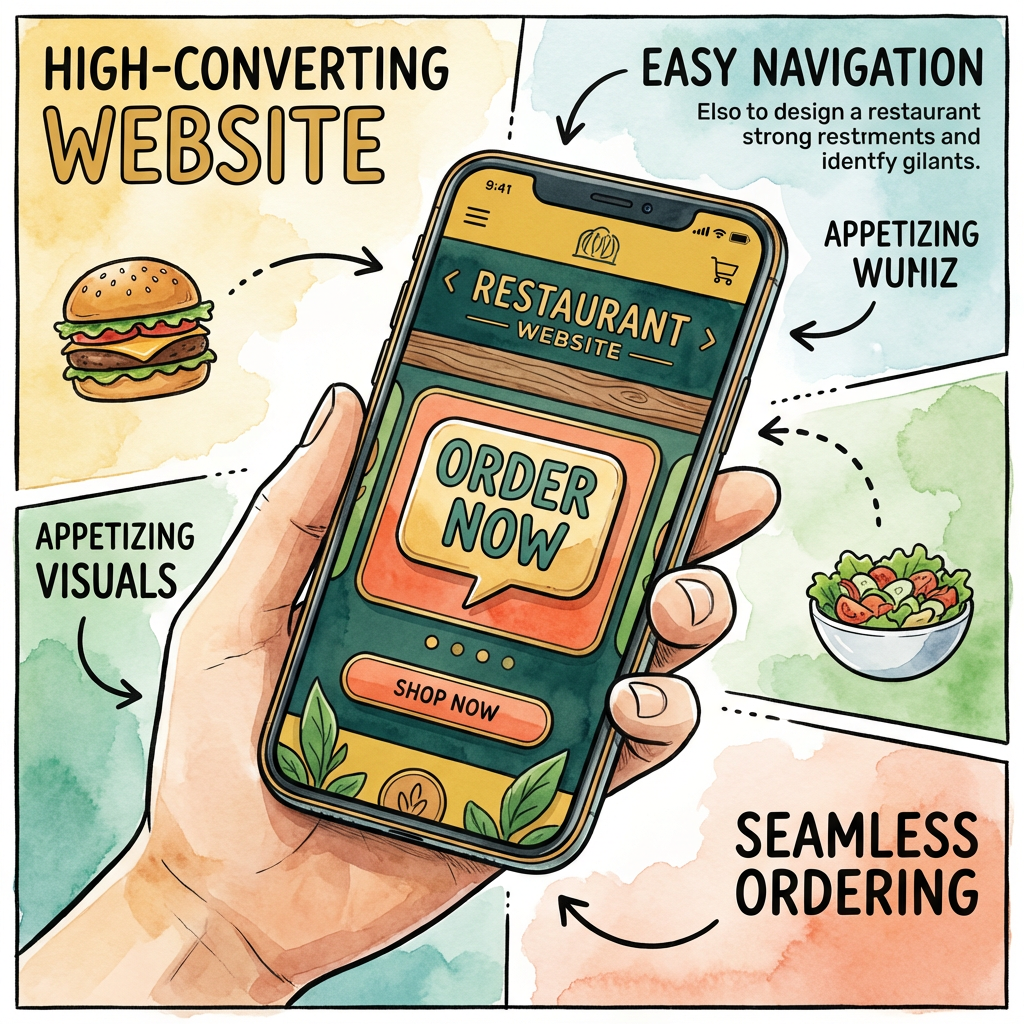
Transforming your website into a direct sales and digital ordering engine.
To truly perform, a restaurant website must be flawlessly optimized for mobile devices, as the vast majority of food-related browsing occurs on smartphones. The user experience (UX) should be entirely frictionless. Key information—such as hours, location, and the menu—must be immediately visible without requiring extra clicks. Most importantly, the “Order Now” or “Reserve a Table” buttons should be prominently displayed on every page, featuring a clear, high-contrast design.
The integration of a seamless, intuitive direct online ordering system is non-negotiable. Customers expect an experience that rivals the convenience of major tech platforms. This means beautiful, high-resolution food photography for every menu item, easy customization options, and swift, secure checkout processes that support digital wallets like Apple Pay and Google Pay. By aggressively driving traffic to your proprietary digital kingdom and providing an exceptional ordering experience, you establish a resilient, highly profitable direct sales channel.
5. Engaging Visual Content and Social Media Mastery
Social media remains a vital battlefield for restaurant marketing, but the tactics that work have shifted sharply toward highly engaging, visual storytelling. Static photos of plated food are no longer sufficient to stand out in crowded feeds. The emphasis is now squarely on short-form video content, dynamic behind-the-scenes glimpses, and authentic user-generated content (UGC) across platforms like Instagram and TikTok.
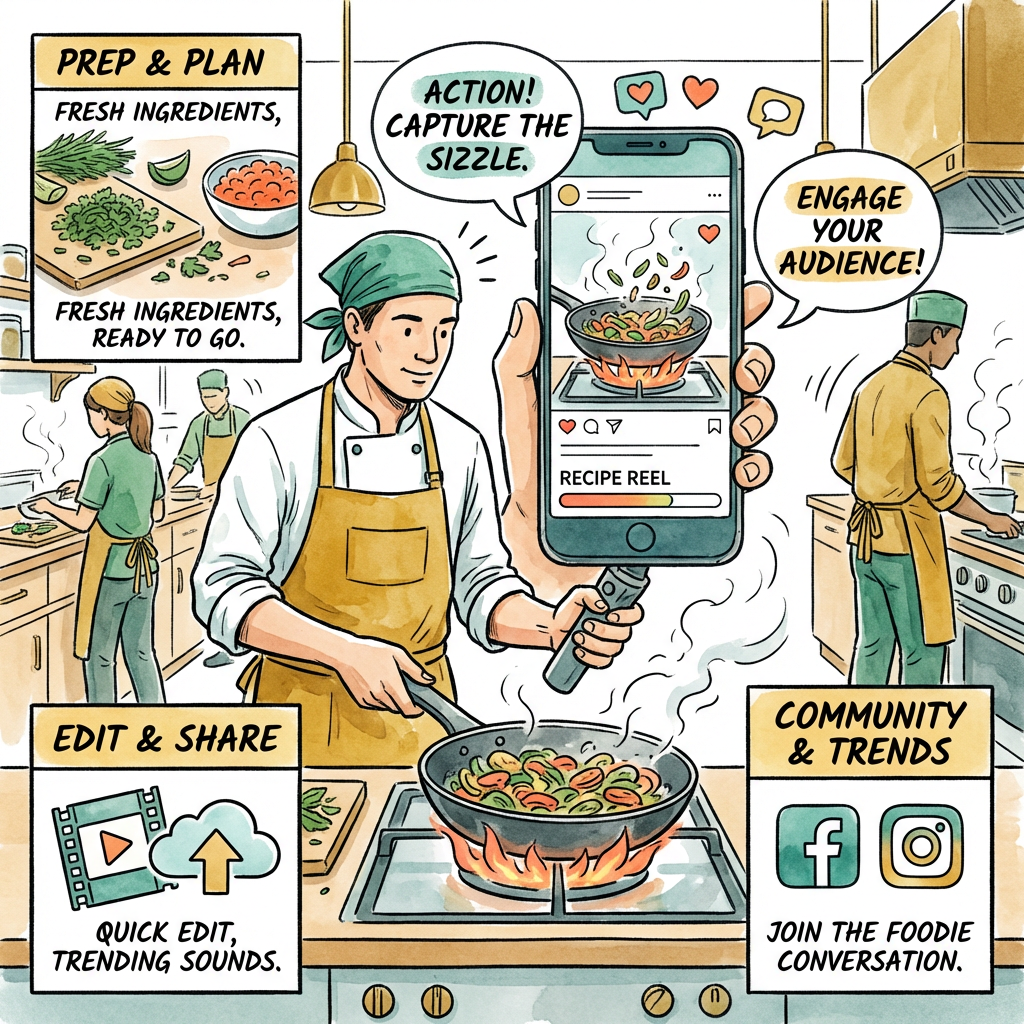
Leveraging visual content and behind-the-scenes videos to drive engagement.
Short-form video is unparalleled in its ability to transmit the energy and atmosphere of your restaurant. Videos demonstrating the precise preparation of a signature dish, the bustling energy of the kitchen during a Friday night rush, or the meticulous crafting of a craft cocktail capture attention and drive deep engagement. These authentic human moments humanize your brand and create a compelling narrative that resonates with potential diners on a visceral level.
Furthermore, social media is rapidly evolving into a direct sales channel. Features that allow users to book a table or place an order directly from an Instagram profile or a TikTok video reduce friction in the customer journey. Encouraging UGC—by creating “Instagrammable” moments within your physical space, running photo contests, or simply providing exceptional presentation—turns your guests into enthusiastic micro-marketers, amplifying your reach significantly further than traditional paid advertising could achieve.
6. Operational Excellence as a Marketing Strategy
The most profound marketing truth in the hospitality industry is that the best advertising is an impeccable dining experience. No amount of brilliant social media marketing or clever email campaigns can overcome consistently mediocre food or indifferent service. In 2026, operational excellence is intrinsically linked to marketing success; your operations are, in fact, your most powerful marketing tool.
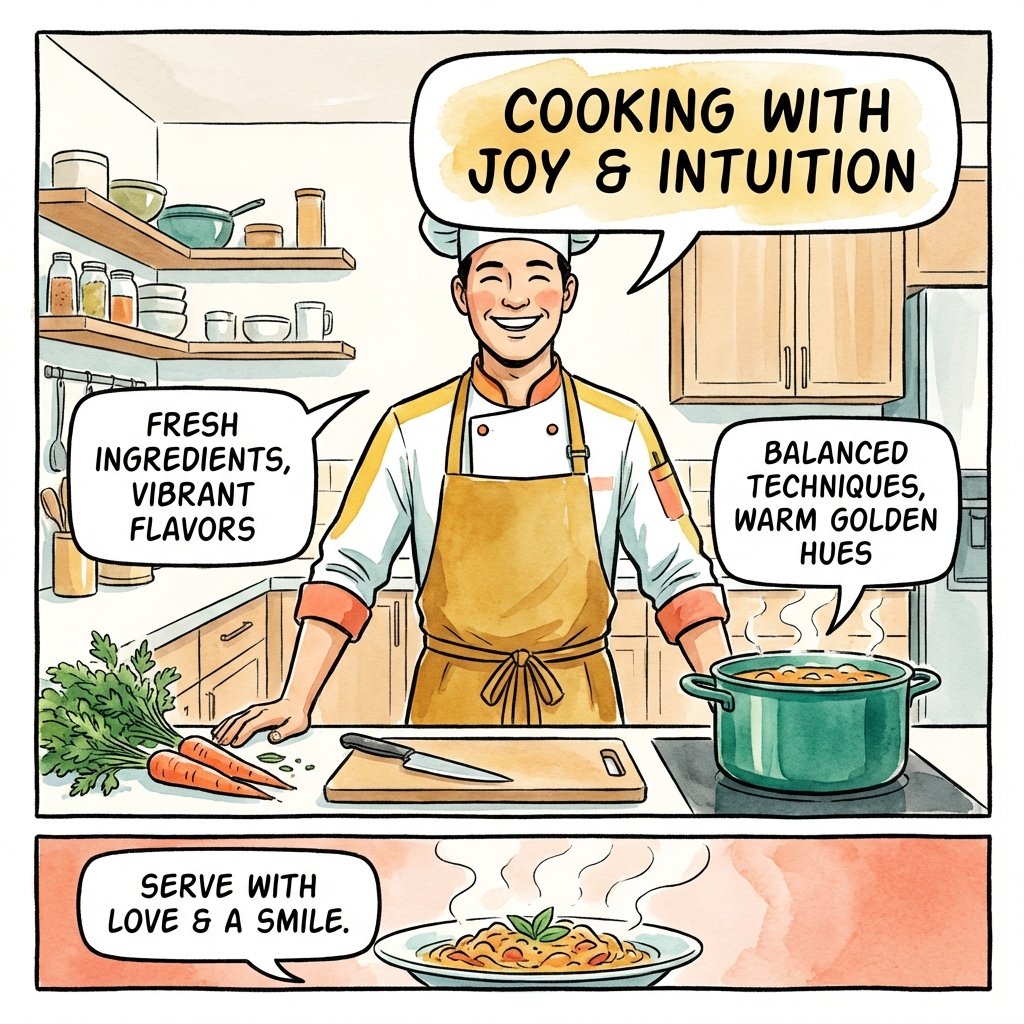
Exceptional operations and guest experience act as your best marketing tools.
A relentless focus on consistent service delivery, rigorous staff training, and tight inventory control ensures that every guest leaves completely satisfied. When a diner experiences seamless, warm hospitality coupled with fantastic food, they organically generate the most valuable currency in restaurant marketing: authentic word-of-mouth referrals and glowing online reviews. Today’s consumers place immense trust in the opinions of their peers, and a perfect five-star rating acts as a magnet for new business.
Moreover, operational efficiency directly supports marketing initiatives. A well-trained staff capable of upselling intelligently contributes directly to the bottom line, while a kitchen that turns out consistent, high-quality plates ensures that the food matches the stunning photography featured on your website. Ultimately, marketing promises an experience; flawless operations deliver on that promise, cementing long-term customer loyalty and driving sustainable revenue growth.
7. Voice Search and Conversational SEO
The proliferation of smart speakers and voice-activated assistants on mobile devices has fundamentally altered how consumers search for dining options. Typing a query like “Italian restaurant NYC” is increasingly being replaced by conversational, long-tail voice queries such as “Where’s the best romantic Italian restaurant near me that’s open right now?” Optimizing for this conversational search is a crucial frontier for restaurant visibility.
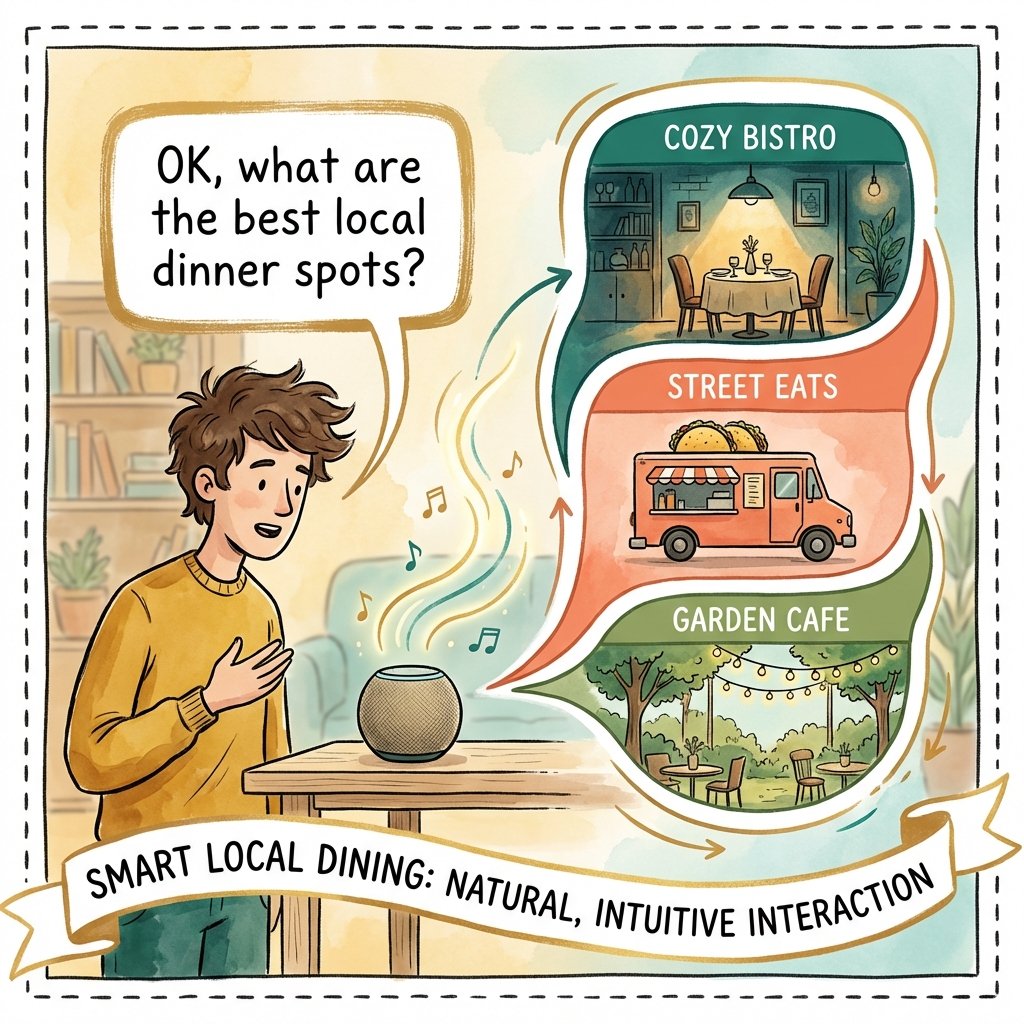
Optimizing content for conversational queries and voice assistants.
Voice search SEO requires a shift in content strategy from rigid keywords to natural language patterns. Restaurant websites must feature content that directly answers specific, question-based queries. A well-structured FAQ page is an excellent tool for this, addressing common customer questions regarding dietary restrictions, parking availability, reservation policies, and signature dishes using the exact phrasing a customer might speak into their phone.
Additionally, because voice assistants heavily rely on local data directories to provide immediate, definitive answers, ensuring the total accuracy of your Google Business Profile and other local citations is paramount. When a user asks Siri or Google Assistant for a recommendation, the algorithm prioritizes highly rated restaurants with complete, verified profiles. By embracing conversational SEO, you position your restaurant to capture immediate intent from highly motivated, hungry searchers on the move.
8. Community Engagement and Experiential Marketing
In an era dominated by digital interactions, consumers are actively seeking profound, authentic real-world connections. Restaurants that position themselves not merely as places to consume calories, but as vital hubs of neighborhood culture, cultivate fierce loyalty. Experiential marketing and active community engagement differentiate your brand by providing memorable moments that transcend the standard dining transaction.
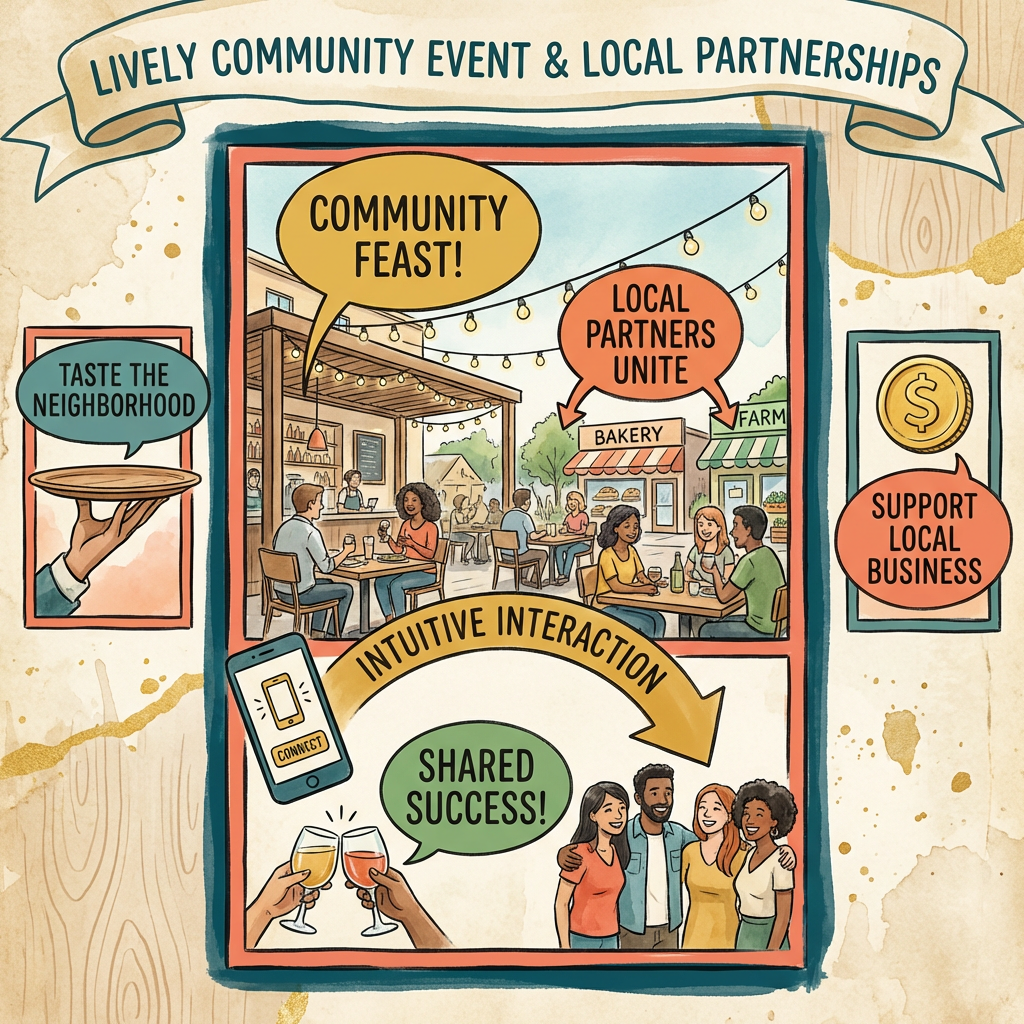
Building authentic connections through community events and experiential marketing.
Hosting unique, non-food-centric events is a powerful strategy to draw people into your space during off-peak hours. Live music nights, local art showcases, trivia competitions, or even specialized cooking classes create a vibrant atmosphere that encourages extended stays and higher beverage sales. Partnering with adjacent local businesses—such as a nearby brewery or a boutique gym—for co-branded events can mutually expand your customer bases and solidify your standing as a neighborhood cornerstone.
Furthermore, sincere participation in local causes and charitable initiatives resonates deeply with modern consumers, who increasingly prefer to spend their money with businesses that align with their ethical values. Sponsoring a local youth sports team or hosting a fundraiser for a community food bank generates immense goodwill and positive public relations. These authentic actions generate powerful buzz, encourage user-generated social media content, and foster a dedicated community of patrons who are personally invested in your restaurant’s sustained success.
9. Local Influencer Partnerships
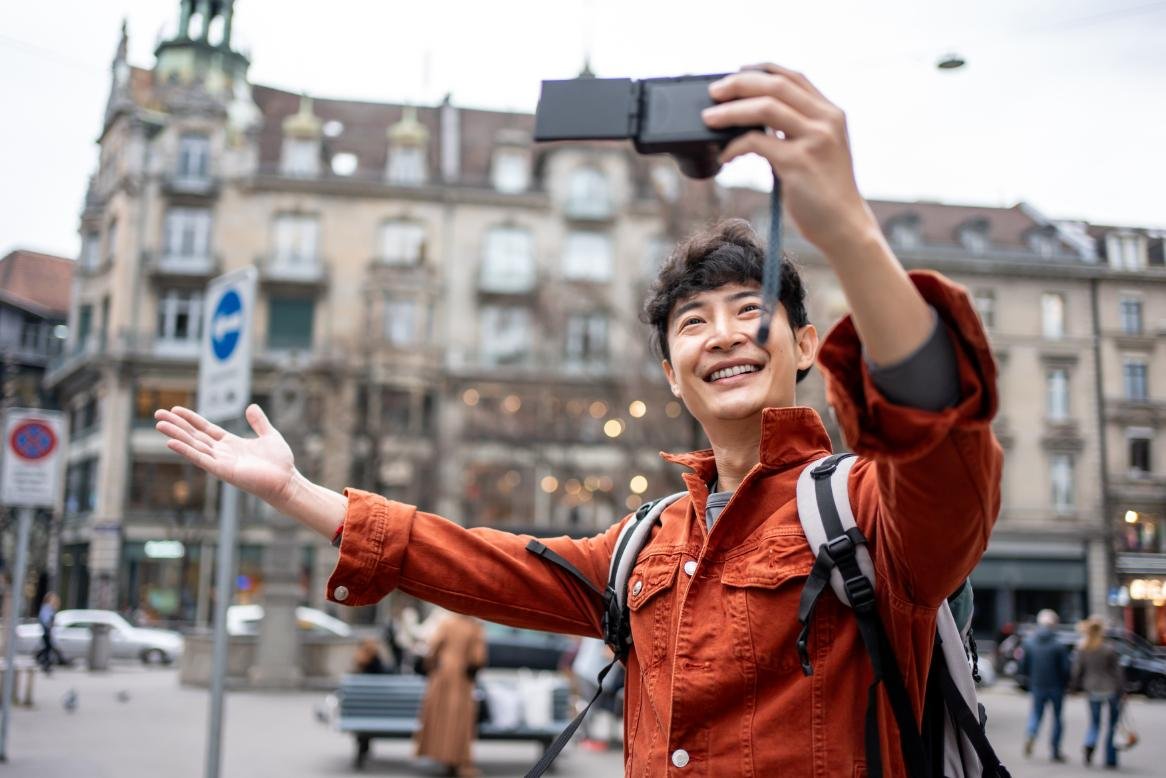
Influencer marketing has evolved beyond paying exorbitant fees to national celebrities with massive, generalized audiences. For restaurants, the highest return on investment now comes from forging strategic partnerships with highly targeted, local micro-influencers. These individuals may have smaller follower counts—typically ranging from 5,000 to 50,000—but they possess an incredibly engaged, hyper-local audience that implicitly trusts their dining recommendations.
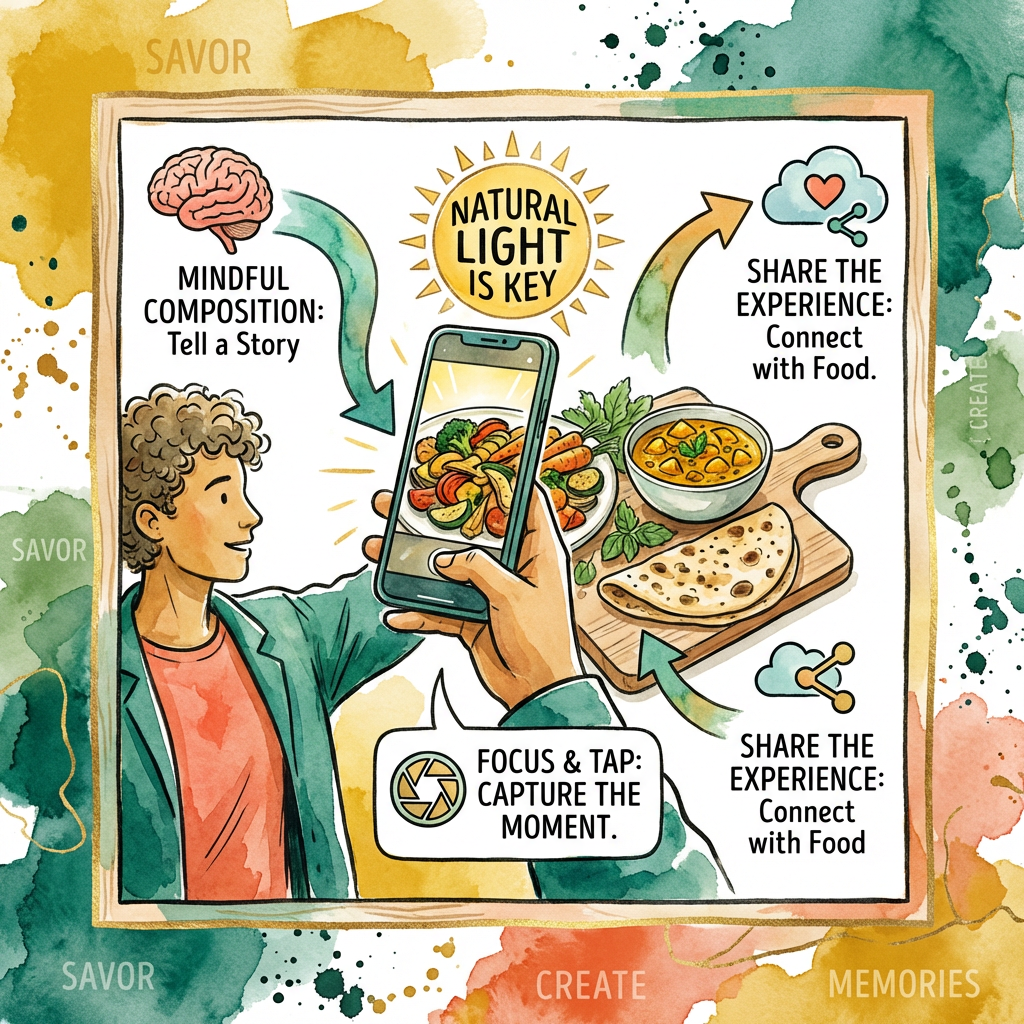
Partnering with local micro-influencers to build neighborhood trust.
A compelling recommendation from a respected local food blogger or community personality carries far more weight than a traditional advertisement. When identifying partners, prioritize influencers whose aesthetic and audience demographics align seamlessly with your brand identity. Rather than demanding a strictly scripted post, invite them for an authentic tasting experience and allow them to share their genuine thoughts through dynamic reels, detailed stories, and high-quality photography.
To maximize the impact of these partnerships, provide the influencer with a unique, trackable discount code or an exclusive link to share with their followers. This provides immediate, tangible value to their audience and allows you to accurately measure the direct financial return of the collaboration. A well-executed micro-influencer strategy drives targeted, high-intent traffic to your restaurant, rapidly building neighborhood awareness and credibility.
10. Review Management and proactive Reputation Building
In 2026, your online reputation is, quite literally, your reality. The overwhelming majority of diners consult platforms like Google, Yelp, and TripAdvisor before deciding where to eat. A restaurant’s digital rating profoundly influences not only customer trust but also local search engine rankings. Consequently, proactive review management is not merely a customer service function; it is a critical, ongoing marketing imperative.
Proactively managing online reputation and turning positive reviews into marketing assets.
Actively asking satisfied guests to leave a review—whether through a polite request at the end of a meal, a QR code on the receipt, or an automated follow-up email via your loyalty program—is essential for building a robust portfolio of positive feedback. Equally important is the discipline of responding thoughtfully to every single review. Thanking guests for five-star praise reinforces their loyalty, while addressing negative feedback with grace, empathy, and a genuine desire to resolve the issue demonstrates profound accountability to prospective customers reading the exchange.
Moreover, astute marketers are increasingly turning glowing reviews into powerful promotional assets. Transforming a detailed, enthusiastic customer testimonial into an attractive graphic for social media, or featuring it prominently on the homepage of your website, provides unparalleled social proof. By consistently delivering excellence and strategically managing the resulting feedback, you cultivate a sterling digital reputation that continuously drives new acquisition and long-term brand equity.