
The culinary world is often romanticized, but behind the stainless steel kitchens and perfectly plated dishes lies an unforgiving financial reality. Understanding the average restaurant profit margin is the absolute baseline requirement for transitioning from a passionate chef to a profitable business owner. In 2026, navigating razor-thin margins requires far more than just serving excellent food; it demands ruthless financial discipline, data-driven menu engineering, and a comprehensive understanding of evolving industry economics. Let’s explore the true statistical benchmarks of restaurant profitability and how elite operators are actively breaking those averages.
The Reality of the Average Restaurant Profit Margin in 2026
Breaking Down the 3% to 5% Industry Standard
The hospitality sector is notoriously challenging. Across all concepts and categories in 2026, the generalized average restaurant profit margin stubbornly hovers between 3% and 5%. This means that for every $100 your establishment generates in top-line revenue, you are likely only keeping $3 to $5 in pure net profit after all expenses, taxes, and debt service are paid. This incredibly tight financial corridor leaves zero room for careless operational errors, excessive food waste, or bloated labor schedules.
While 3% to 5% is the statistical median, it is crucial to understand that this average encapsulates massive variance. High-performing, hyper-optimized operations frequently push net margins comfortably into the 10% to 15% range. Conversely, a staggering number of full-service restaurants actually operate at a net loss (negative profit margin) for years before eventually succumbing to insolvency. Understanding where your specific concept fits within this spectrum is vital for setting realistic financial Key Performance Indicators (KPIs).
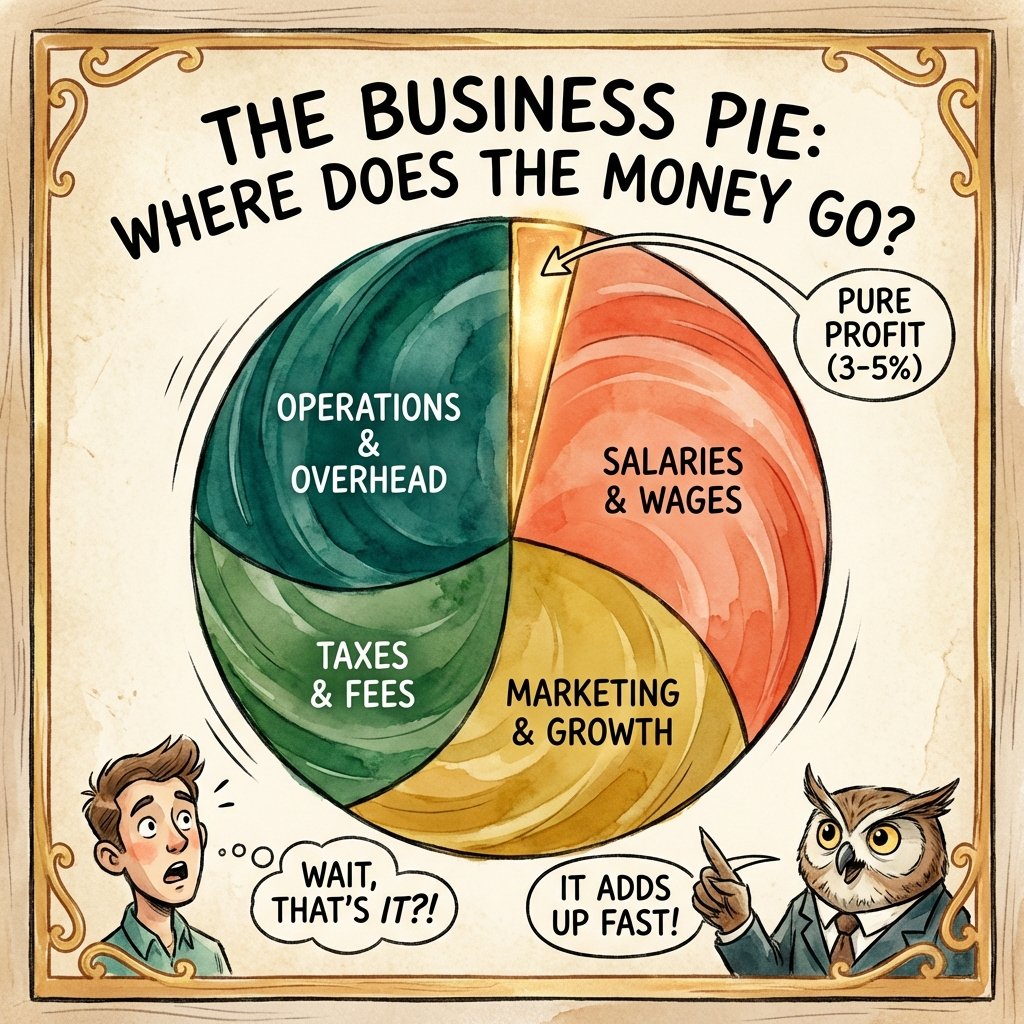
The stark reality: most restaurants operate on a 3% to 5% net margin.
Why Revenue Growth Does Not Equal Profitability
A fatal and recurring flaw among inexperienced operators is obsessing over top-line revenue growth while entirely ignoring bottom-line flow-through. A restaurant can easily generate $3 million in annual sales but simultaneously bleed cash if the cost of goods sold (COGS) and labor percentages are completely unmanaged. Revenue is merely a vanity metric; profit is the only metric that guarantees survival. Pushing for higher sales volume without first tightly controlling your prime costs frequently accelerates the rate at which you burn capital.
Effective growth requires meticulous scaling. If you launch a massive marketing campaign that drives a 20% increase in dining traffic, but your kitchen is incredibly inefficient, your labor costs and food waste will inherently skyrocket, effectively nullifying the additional revenue. Profitability must be deeply structurally engineered into the very DNA of your operation before you attempt to aggressively scale customer volume. Establishing a comprehensive restaurant marketing plan requires understanding exactly how much profit each new customer actually yields.
The Impact of Rising Food and Labor Costs
In 2026, operators continue to battle sustained, historical inflation across the two largest expense categories: food and labor. Since 2019, wholesale food costs have fundamentally permanently reset to a higher baseline, drastically compressing potential margins. Furthermore, the intense competition for reliable hospitality talent has forced hourly wages upward, with mandatory minimum wage increases further straining payroll budgets.
Because consumer price elasticity is finite—meaning there is a strict limit to how much you can raise menu prices before alienating your loyal customer base—restaurants must absorb a portion of these rising costs internally. This dynamic forces operators to find creative, technological, or operational efficiencies elsewhere in the P&L statement to actively defend their fragile profit margins from completely collapsing.
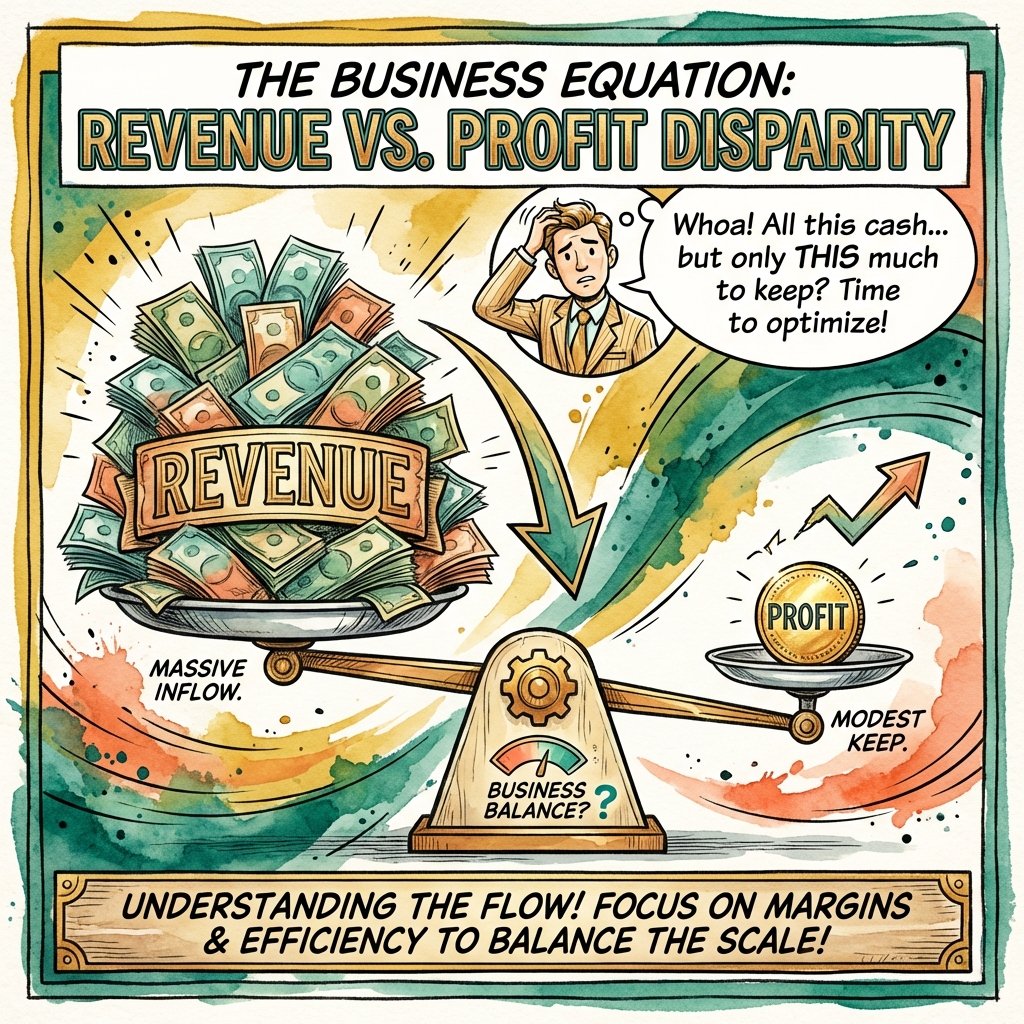
Top-line revenue is a vanity metric; bottom-line profit is survival.
Profit Margins by Restaurant Concept and Type
It is statistically inaccurate to compare the profit margin of a sprawling, 200-seat steakhouse to a localized drive-thru coffee stand. The operational economics—and therefore the expected margins—vary wildly depending on the specific hospitality concept.
Quick-Service (QSR) and Fast Food Constraints
Quick-service restaurants (QSRs) generally outperform the industry average, typically achieving profit margins ranging from 6% to 9%. This superior profitability is driven entirely by extreme volume, high table turnover (or drive-thru throughput), and drastically lower labor ratios. Because the menu relies on pre-portioned, heavily processed ingredients and assembly-line preparation methods, QSRs do not require highly skilled, expensive culinary talent. However, they require massive initial capital expenditures for equipment and prime, high-traffic real estate to generate the necessary sales velocity.
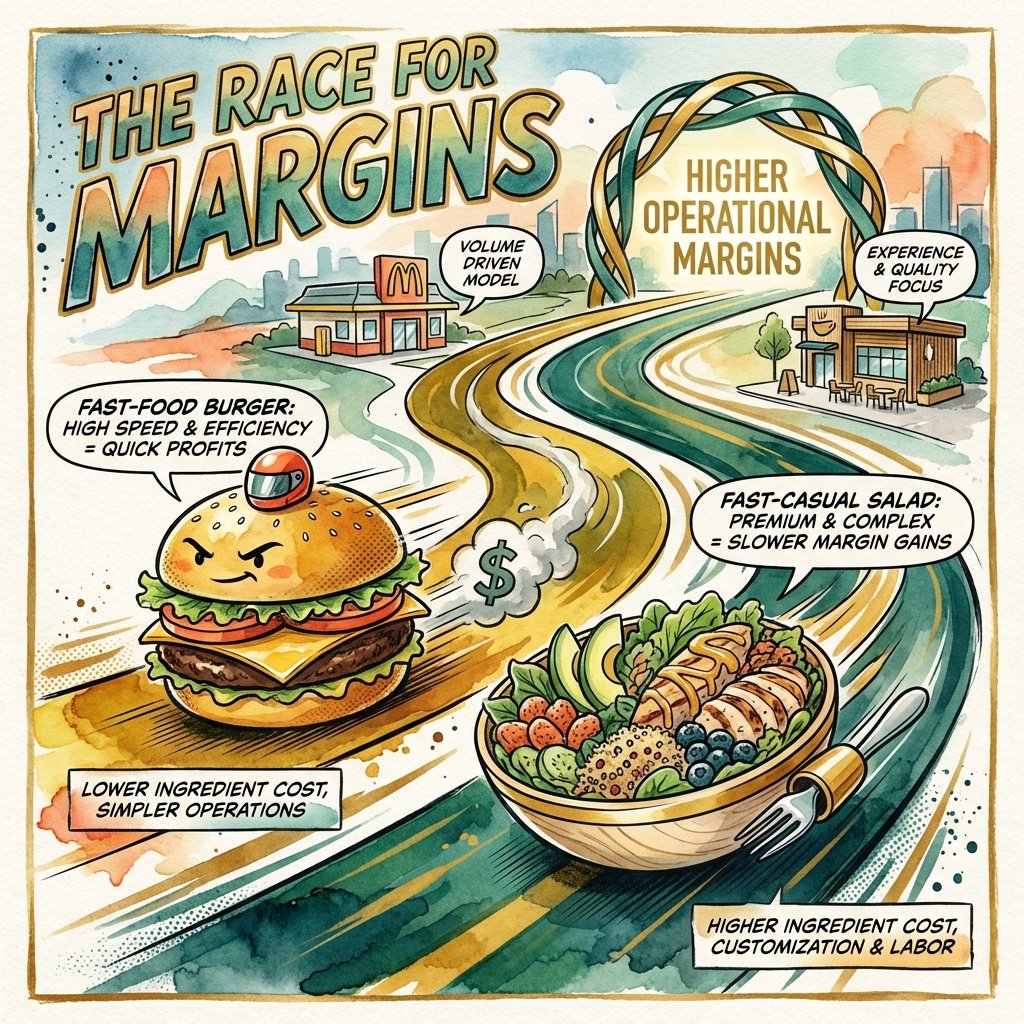
High volume and lower labor costs drive QSR profitability.
The Economics of Fast-Casual Dining
The fast-casual sector represents the optimal middle ground in modern hospitality economics, averaging healthy profit margins between 5% and 8%. These concepts utilize higher-quality, fresher ingredients than traditional fast food—allowing them to command significantly higher menu prices—while still severely minimizing front-of-house labor by utilizing counter service models. This highly efficient format dramatically reduces payroll overhead while simultaneously elevating the perceived value of the dining experience, resulting in robust, reliable profitability.
Full-Service Casual vs. Fine Dining Margins
Full-service casual dining represents the most challenging economic model, frequently struggling to maintain margins between 3% and 6%. The requirement for massive square footage, extensive front-of-house staffing, and longer table dwell times puts severe downward pressure on profits. Fine dining spaces suffer similar constraints. Despite commanding exceptionally high check averages, fine dining establishments must employ highly specialized executive chefs, expert sommeliers, and utilize expensive, highly perishable luxury ingredients. Consequently, fine dining profit margins also typically stall out at a fragile 3% to 5%, surviving only because the absolute dollar amount generated per table remains high.
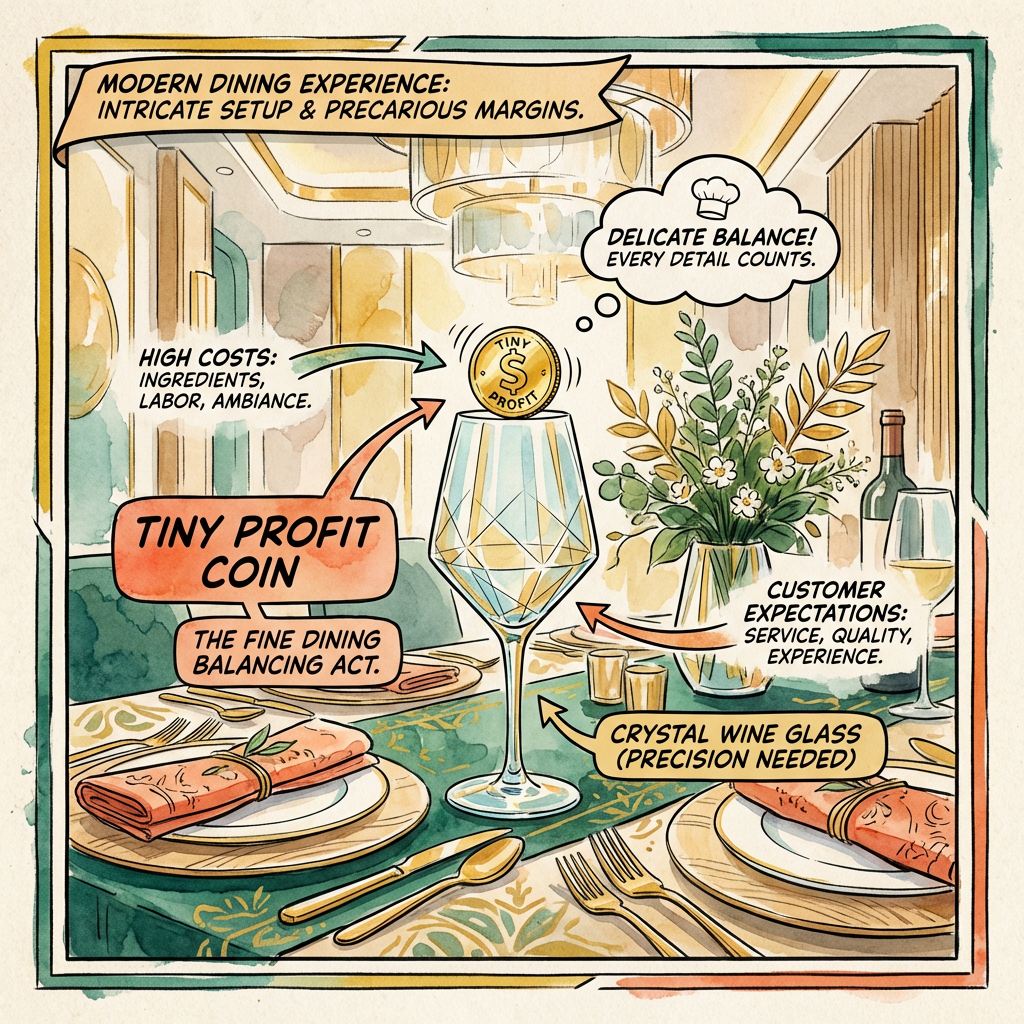
Fine dining requires massive check averages to survive thin margins.
High-Yield Concepts: Bars, Cafes, and Food Trucks
Alcohol and coffee remain the absolute highest-margin products in the hospitality sector. Dedicated bars and taverns frequently enjoy massive profit margins ranging from 10% to 15%, driven by the incredibly low cost-of-goods associated with liquor pours and draft beer. Similarly, specialty cafes can achieve margins up to 15% due to the cheap raw materials (coffee beans and water). Finally, food trucks leverage fundamentally lower barriers to entry—eliminating massive commercial rent obligations and minimizing staffing—to consistently achieve impressive net margins of 6% to 9%.
The “Big Three” Costs Destroying Your Margins
Your average restaurant profit margin is relentlessly attacked every single day by three massive operational expenses. Failing to aggressively monitor and control these specific categories guarantees financial ruin.
Mastering Cost of Goods Sold (COGS)
Cost of Goods Sold (COGS), specifically your core food and beverage costs, must be rigorously maintained between 28% and 32% of total gross revenue. If this vital metric creeps toward 35% or 40%, profitability becomes mathematically impossible. Mastering COGS requires highly disciplined inventory management, militant portion control in the kitchen, and aggressive, continuous negotiation with your wholesale purveyors. A sloppy kitchen that over-portions proteins or frequently burns expensive ingredients is silently hemorrhaging cash straight from your bank account.
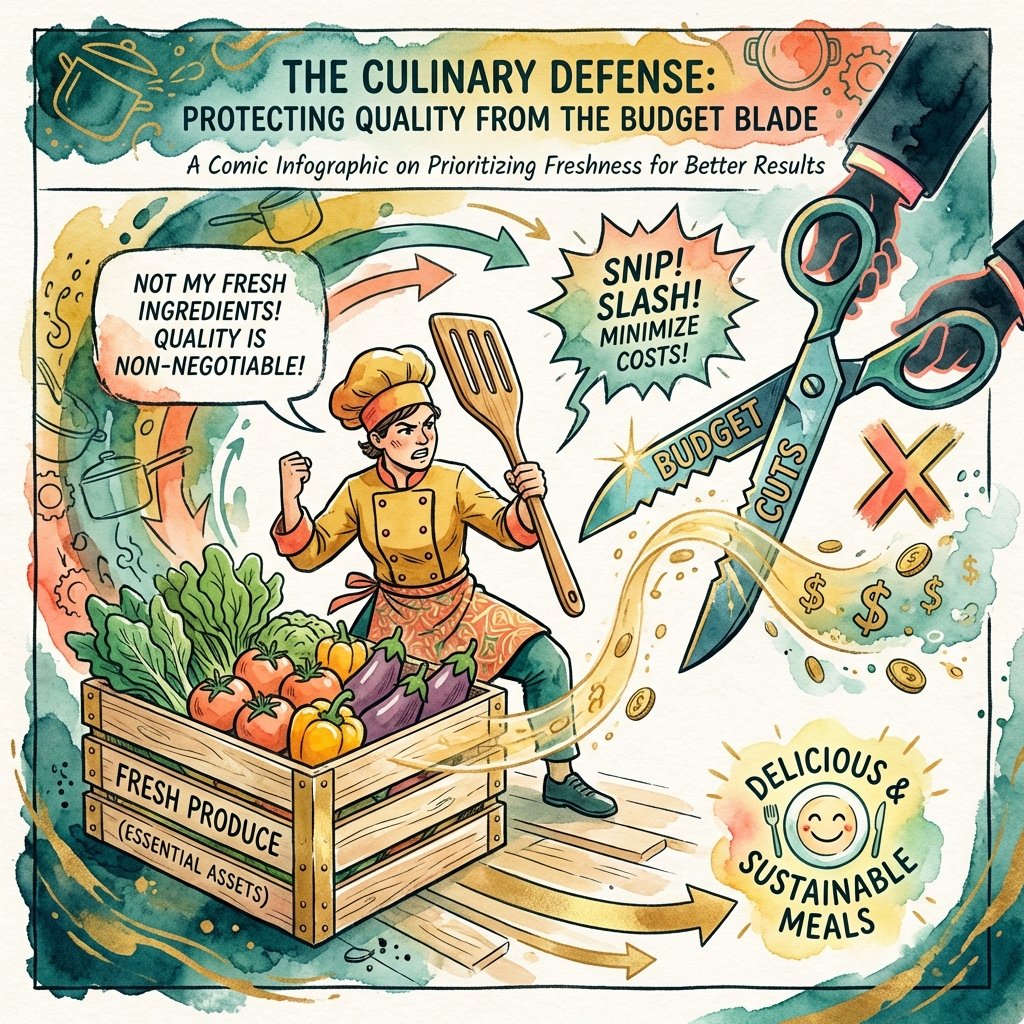
Mastering your COGS is the first defense against financial ruin.
Navigating the Labor Cost Crisis
Total labor costs—including salaries, hourly wages, payroll taxes, and benefits—should ideally consume no more than 30% of your gross sales. When combined with your COGS, these represent your “Prime Costs,” which absolutely must remain below 60% locally to ensure a stable, healthy average restaurant profit margin. The primary danger with labor is over-scheduling during slow shifts. Paying a full kitchen brigade and five servers during a dead Tuesday afternoon lunch service actively destroys the profits generated during your busy Friday night dinner rush.
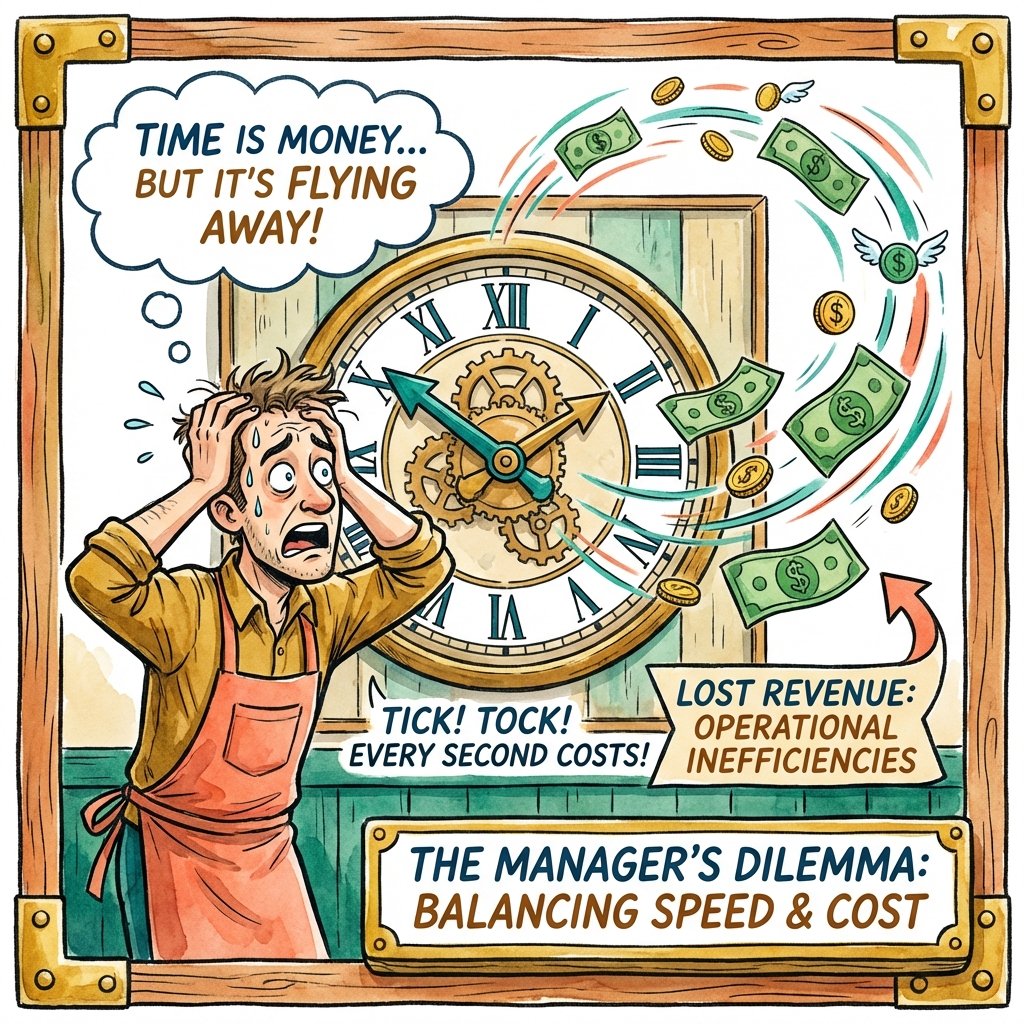
Unmanaged labor scheduling aggressively destroys prime costs.
Overhead, Rent, and Hidden Operational Expenses
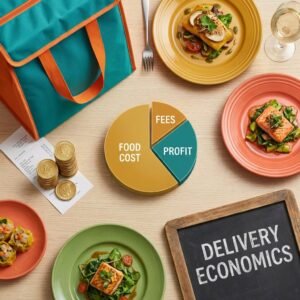
Occupancy costs (rent, property taxes, and building insurance) must be kept strictly below 8% to 10% of total revenue. Agreeing to an overpriced commercial lease is a fatal error that cannot be fixed by simply selling more appetizers. Furthermore, operators frequently ignore “hidden” operational expenses: exorbitant credit card processing fees, predatory third-party delivery commission rates (which can devour up to 30% of an order), and excessive linen or cleaning contracts. Ruthlessly auditing these secondary expenses is mandatory for protecting the bottom line.
Proven Strategies to Drastically Increase Your Profit Margin
Accepting the industry average is a choice. Elite operators actively deploy rigorous systems to mathematically force their establishment into higher tiers of profitability.
Menu Engineering and Strategic Pricing Models
Menu engineering is the scientific process of analyzing every single item on your menu based on its specific profitability and exact popularity. By cross-referencing sales data, operators can identify “Stars” (highly popular and highly profitable) and “Dogs” (unpopular and unprofitable). You must aggressively highlight your Stars visually on the physical menu while ruthlessly removing or drastically re-pricing the Dogs. Never price items based strictly on “gut feeling”; prices must be calculated dynamically based on real-time recipe costing and strict, predetermined profit margin goals.
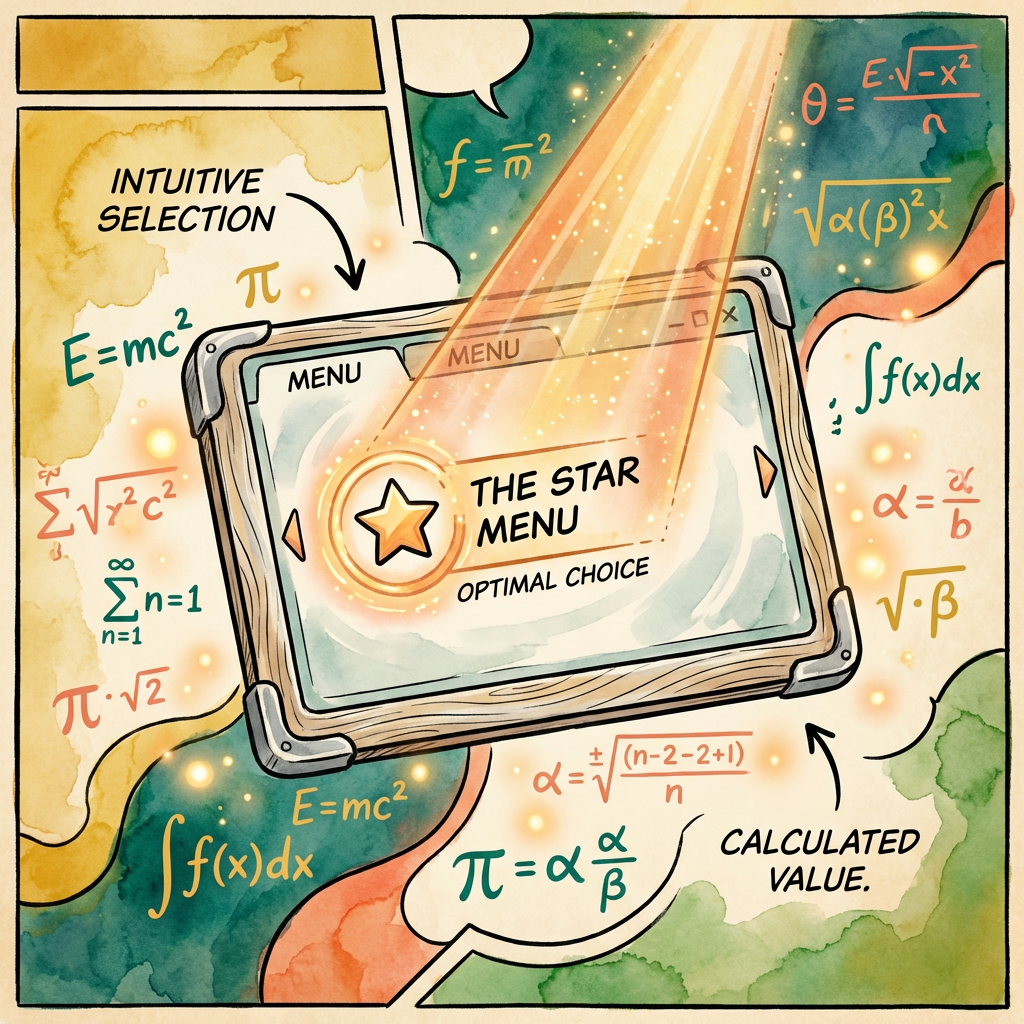
Menu engineering forces your establishment into higher profitability tiers.
Reducing Food Waste with Deep Analytics
Food waste is literal money thrown directly into the dumpster. Implementing strict, daily variance reporting allows you to exactly match theoretical inventory depletion (what the POS system says you sold) against actual physical inventory counts. Massive discrepancies instantly highlight theft, improper prep methods, or chronic over-ordering. Cross-utilizing highly perishable ingredients across multiple different menu items ensures that raw product is sold before it reaches its expiration date, aggressively protecting your hard-earned COGS margins.
Leveraging Technology and POS Automations
Modern profitability relies heavily on fully integrated technology stacks. Upgrading to a cloud-based, deeply analytical Point of Sale (POS) system provides real-time visibility into your labor percentages by the hour. Utilizing automated invoice processing software eliminates costly manual data entry errors and immediately flags unexpected price hikes from your vendors. Furthermore, switching to digital QR code menus allows for rapid, zero-cost menu price adjustments in immediate response to sudden supply chain volatility, completely bypassing expensive printing costs. Ensuring strong SEO for restaurants drives high-conversion digital traffic natively to your direct-ordering platforms, bypassing expensive third-party delivery fees.
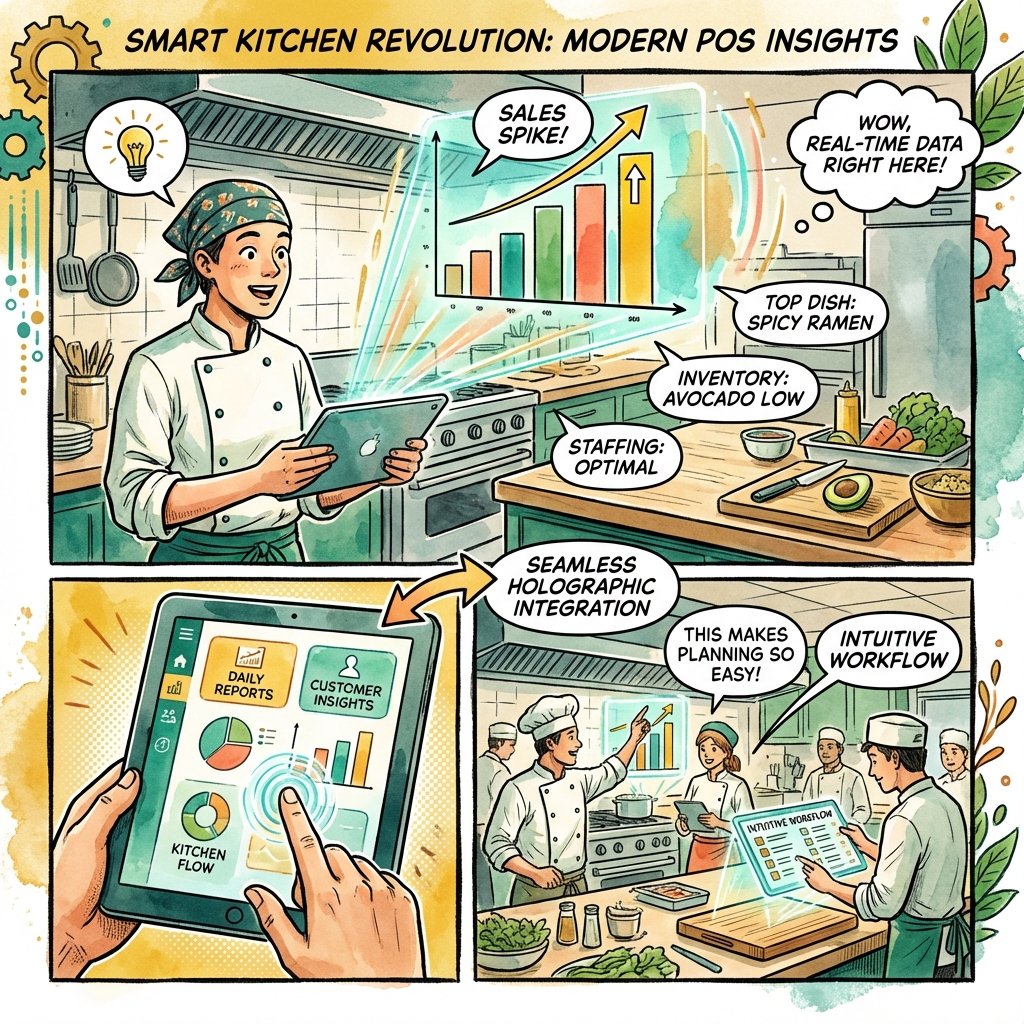
Deep analytics provide real-time visibility into your profit margins.
Optimizing Staff Scheduling for Maximum Throughput
Labor scheduling must transition from an art to a strict mathematical science. Operators must utilize highly accurate predictive sales forecasting—based on historical POS data, upcoming local events, and granular weather patterns—to schedule exactly the right amount of staff. Implementing staggered shift start times, rather than bringing the entire kitchen crew in simultaneously at 2 PM, dramatically reduces unnecessary, bloated hourly wage expenditures during dead-time transition periods.
Alternative Revenue Streams for Restaurants
To permanently shatter the 5% average restaurant profit margin ceiling, operators must diversify their income entirely away from the strict confines of the physical dining room.
High-Margin Merchandise and Proprietary Retail
Developing a cult following allows restaurants to successfully pivot into highly profitable physical retail. Branded consumer packaged goods (CPG)—such as bottling your signature barbecue sauce, selling premium branded coffee beans, or offering high-quality venue apparel—generates massive, high-margin ancillary revenue. These retail products require strictly zero ongoing kitchen labor to fulfill, operating independently of the chaos of daily restaurant service and massively boosting total net profitability.
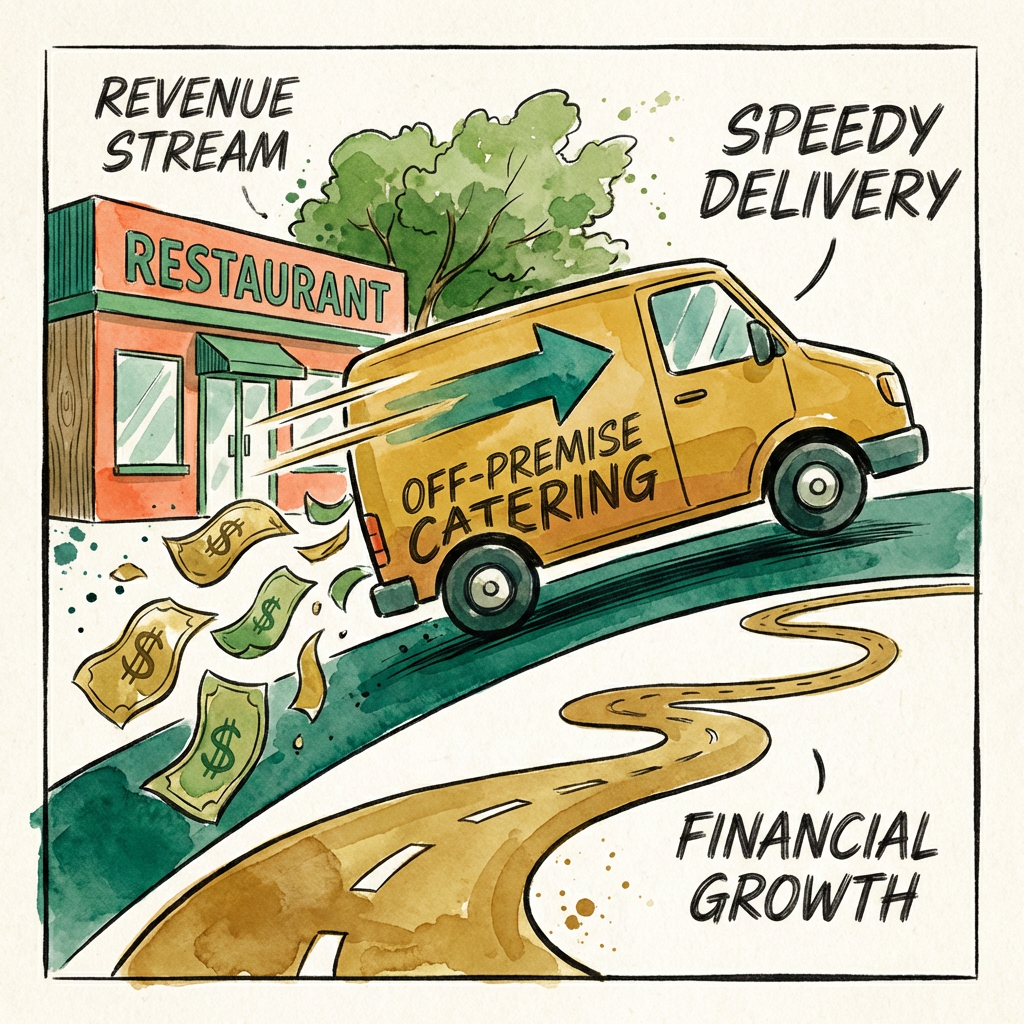
Diversifying via catering permanently shatters the 5% margin ceiling.
Expanding into Corporate and Private Catering
Off-premise catering presents a phenomenal economic opportunity. Unlike unpredictable daily restaurant service, large-scale catering events rely on strict, pre-paid contracts, guaranteed headcounts, and highly optimized, batched food preparation. This massively eliminates speculative food waste and allows for perfectly precise labor scheduling. A highly successful corporate catering program can effortlessly generate far higher net profit margins than standard dining room operations. Learning exactly how to find catering clients can rapidly transform your baseline profitability.
The Viability of Ghost Kitchens and Virtual Brands
If your commercial kitchen is severely underutilized during the slower daytime hours, launching an entirely digital “virtual brand” is a highly lucrative strategy. By utilizing your existing prep space, existing equipment, and currently clocked-in labor to launch an entirely separate delivery-only concept (such as operating a fried chicken sandwich brand out of an upscale Italian kitchen during lunch), you generate pure incremental revenue without taking on any additional massive rent overhead.
Conclusion: Protecting Your Bottom Line
Achieving operational longevity requires a fundamental, aggressive mindset shift regarding the financial mechanisms of your business.
Shift your focus from top-line vanity to bottom-line sanity.
Shifting from Top-Line Vanity to Bottom-Line Sanity
The ultimate measure of a restaurant’s success is not its gross annual multi-million dollar revenue, nor the length of the line wrapping out the front door on a Friday night. It is exclusively determined by the volume of free cash flow cleanly transferred to the business bank account at the end of the fiscal month. Cease prioritizing sheer sales volume and focus relentlessly on fiercely protecting every single penny of your margins.
Your Immediate Action Plan for 2026
The survival imperative is clear: immediately conduct a ruthless, uncompromising audit of your current prime costs. Re-cost every single recipe on your menu this week to reflect real-time 2026 inflation data, permanently terminate chronically unprofitable menu items, and rigorously implement highly predictive, data-driven labor scheduling models. By systematically engineering extreme operational efficiency into your DNA, you will transcend the bleak average restaurant profit margin and build a truly resilient, highly profitable hospitality empire.