
The restaurant industry has undergone a massive transformation over the past decade, shifting dramatically toward off-premise dining, convenience, and rapid delivery ecosystems. For independent restaurant owners, implementing a sustainable restaurant delivery fee is no longer just an optional tactic—it is the direct gateway to protecting your margins. The vast majority of localized eateries are losing revenue because they either absorb the entire dispatch expense, heavily subsidize third-party platforms, or fail to accurately calculate the real-world operational costs of their fleet. To thrive in this competitive economy, you must architect a delivery mechanism that converts casual diners into devoted advocates without eroding your financial foundation. Whether you maintain a fleet of dedicated drivers or orchestrate a hybrid model with technology partners, understanding the deep economics of a restaurant delivery fee is critical. We have compiled this highly actionable playbook to guide you through calculating hidden expenses, selecting the perfect pricing strategy, and communicating transparently with your customers to drive long-term localized growth.
This guide will dissect the precise formulas needed to achieve ultimate delivery profitability. Our meticulous analysis strips away the noise and provides you with the exact systems used by the most successful catering operations and restaurant brands globally. From auditing your vehicle maintenance expenditures to mastering the psychological levers of the checkout cart, this playbook serves as your definitive roadmap to establishing a highly lucrative and robust delivery infrastructure.
Understanding the True Cost of a Restaurant Delivery Fee
The foundation of a profitable restaurant delivery fee lies in achieving absolute financial clarity regarding your off-premise operations. Many owners erroneously calculate their delivery fee based exclusively on the direct payout to the driver, completely neglecting the complex web of interconnected expenses that facilitate every successful order. To stop the bleed and engineer a margin-positive dispatch system, you must conduct a forensic analysis of your localized ecosystem. This requires shifting your perspective from top-line revenue to granular, unit-level economics.
The Hidden Operational Expenses
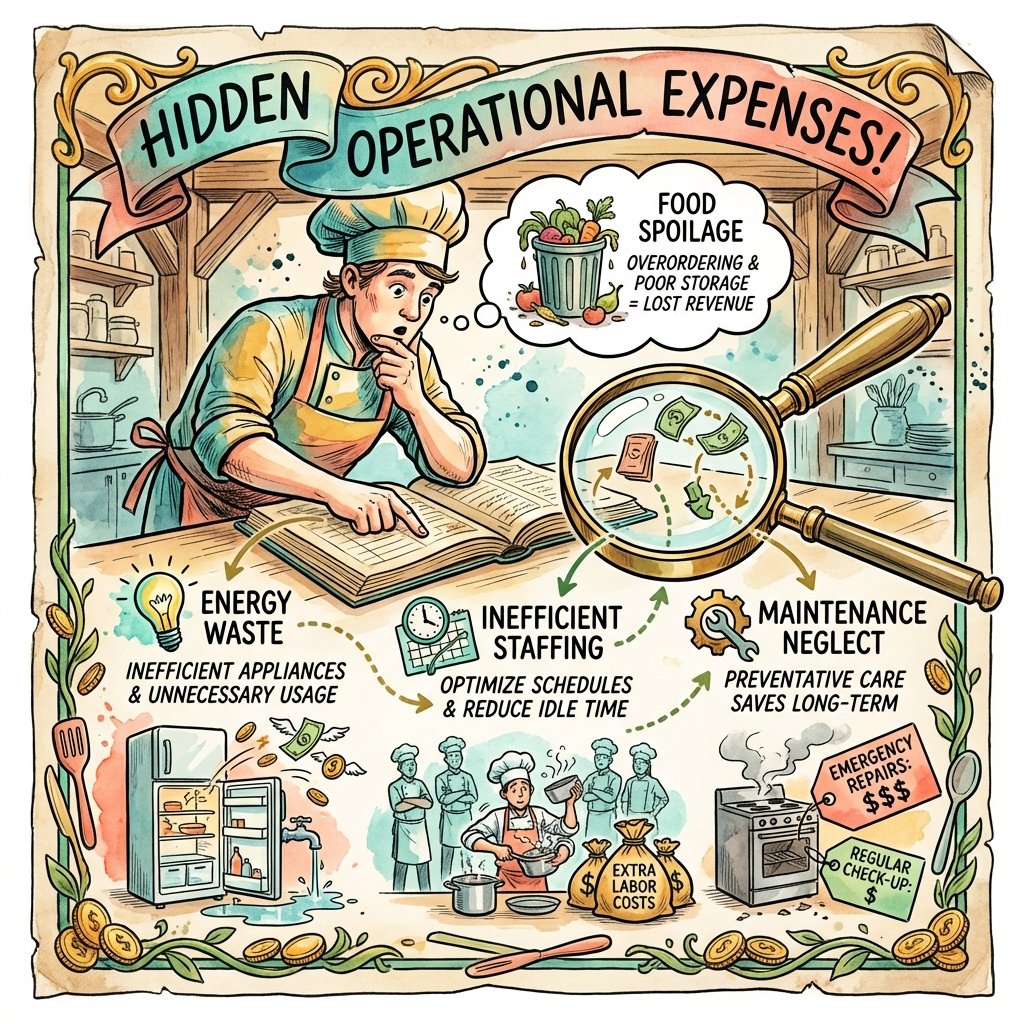
Uncovering the hidden expenses behind every delivery order.
Hidden operational expenses represent the silent margin killers within any restaurant’s ecosystem. When a customer taps ‘order’ on their smartphone, a vast sequence of technological and administrative costs are immediately triggered behind the scenes. These unseen financial drains are rarely accounted for in a basic spreadsheet, yet they cumulatively represent a massive portion of your total liability. By identifying and categorizing these expenses, you immediately regain control over your fiscal strategy and prevent unnecessary capital leakage.
To execute a precise audit, operators must continuously track the localized costs associated with routing, dispatch software maintenance, payment processing overhead, and the administrative burden placed on your front-of-house staff. A properly integrated restaurant delivery fee correctly absorbs these elements. Below are the primary hidden components that must be permanently integrated into your pricing architecture:
- Merchant processing fees applied specifically to off-premise digital transactions.
- Monthly software subscriptions for delivery management and routing logistics.
- Additional front-of-house labor required specifically to package, audit, and hand off meals.
- Systematic shrinkage, including incorrect orders, driver delays, and localized refunds.
- Insurance premium increases directly correlated with maintaining an active commercial delivery operation.
Driver Wages, Fuel, and Vehicle Maintenance
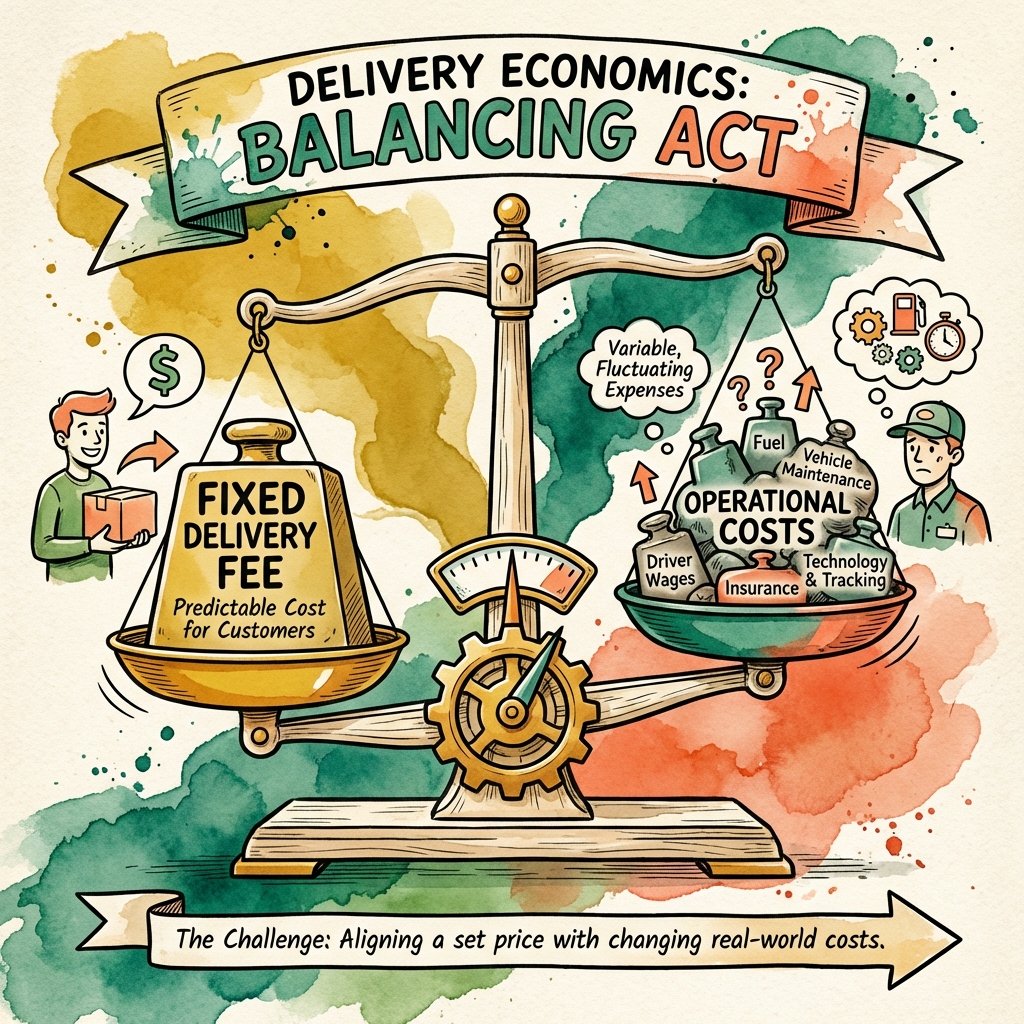
Compensating your delivery fleet fairly while maintaining operational profitability is the ultimate balancing act for an independent restaurant. Driver wages, ongoing fuel stipends, and continuous vehicle maintenance represent the most volatile and substantial variables within your delivery calculation. A static restaurant delivery fee is extremely vulnerable to fluctuating macroeconomic conditions, such as sudden surges in local gasoline prices or changes in minimum wage legislation. You must build a highly adaptive pricing model that insulates your brand from these external shocks.
To master these volatile variables, restaurant operators must utilize a systematic formula that blends fixed hourly wages with variable mileage reimbursements. This structure not only protects the business but aggressively incentivizes driver retention and exceptional performance. The precise equation requires you to monitor the following moving parts:
- Tracking the exact per-mile degradation and standard maintenance schedules for fleet vehicles.
- Calculating localized fuel averages weekly to ensure stipends accurately reflect the real-time economy.
- Structuring hourly base pay combined with performance-based speed and accuracy metrics.
- Anticipating the seasonal fluctuations in specialized vehicle wear-and-tear (e.g., winter tires and heavy-duty brakes).
Packaging and Dispatch System Costs
Delivering an exceptional off-premise culinary experience relies entirely on the structural integrity and thermal retention of your packaging. High-quality, sustainable packaging is excessively expensive, and these material costs must be explicitly factored into your overarching restaurant delivery fee. If you utilize flimsy, uninsulated containers to save pennies, you will inevitably hemorrhage dollars through negative reviews, refunded orders, and severely diminished customer lifetime value. Your packaging is your absolute first physical touchpoint with the off-premise diner.
In tandem with physical materials, the digital dispatch system requires ongoing investment. The technology bridging your kitchen to the driver’s smartphone must be seamless, rapid, and flawlessly integrated into your Point of Sale (POS) infrastructure. To build a resilient delivery ecosystem, you must meticulously account for these fundamental packaging and digital dispatch elements:
- Thermal mapping and insulated container costs segmented by specific menu items.
- Tamper-evident sealing systems to guarantee absolute food safety and customer trust.
- API integration expenses required to sync your POS seamlessly with your driver dispatch application.
- Branded bags and customized marketing inserts to drive localized retention and repeat orders.
The Top 5 Delivery Fee Models for Restaurants
Selecting the exact localized pricing architecture for your restaurant delivery fee heavily dictates your ultimate conversion rate and absolute profitability. There is no universally flawless model; instead, the most lucrative strategy depends intimately on your specific geography, average ticket size, and driver efficiency. You must ruthlessly evaluate the psychological impact each structure has on your localized audience and align it directly with your internal margins. We will dissect the top five distinct delivery fee models utilized by elite operators globally.
The Flat Fee Approach: Pros and Cons
Weighing the pros and cons of the flat fee model.
The definitive advantage of the flat delivery fee model lies in its absolute simplicity and extreme psychological clarity for the customer. Promising a standard, non-fluctuating charge eliminates friction at the checkout cart, drastically reducing cart abandonment rates and accelerating the speed of transactions. It requires zero complex digital calculations on the backend and allows you to market your delivery program heavily with a highly recognizable, singular price point. However, this simplicity introduces significant localized risk for the operator.
When you utilize a flat restaurant delivery fee, you inherently subsidize long-distance orders with the margins generated from hyper-local deliveries. If your geographic mix shifts heavily toward distant customers, your profitability will quickly invert. The key vulnerabilities and strategic advantages of the flat fee model include:
- Advantage: Dramatically increases conversion rates by providing absolute predictability for the diner.
- Advantage: Simplifies the backend accounting and reconciliation process for your financial team.
- Disadvantage: You absorb massive losses on distant deliveries requiring high fuel usage and driver time.
- Disadvantage: It prevents you from fully capitalizing on massive, high-margin catering-sized orders.
- Strategy: Best deployed in highly dense, geographically constrained urban environments where distances are aggressively minimized.
Distance-Based Charging Mechanisms
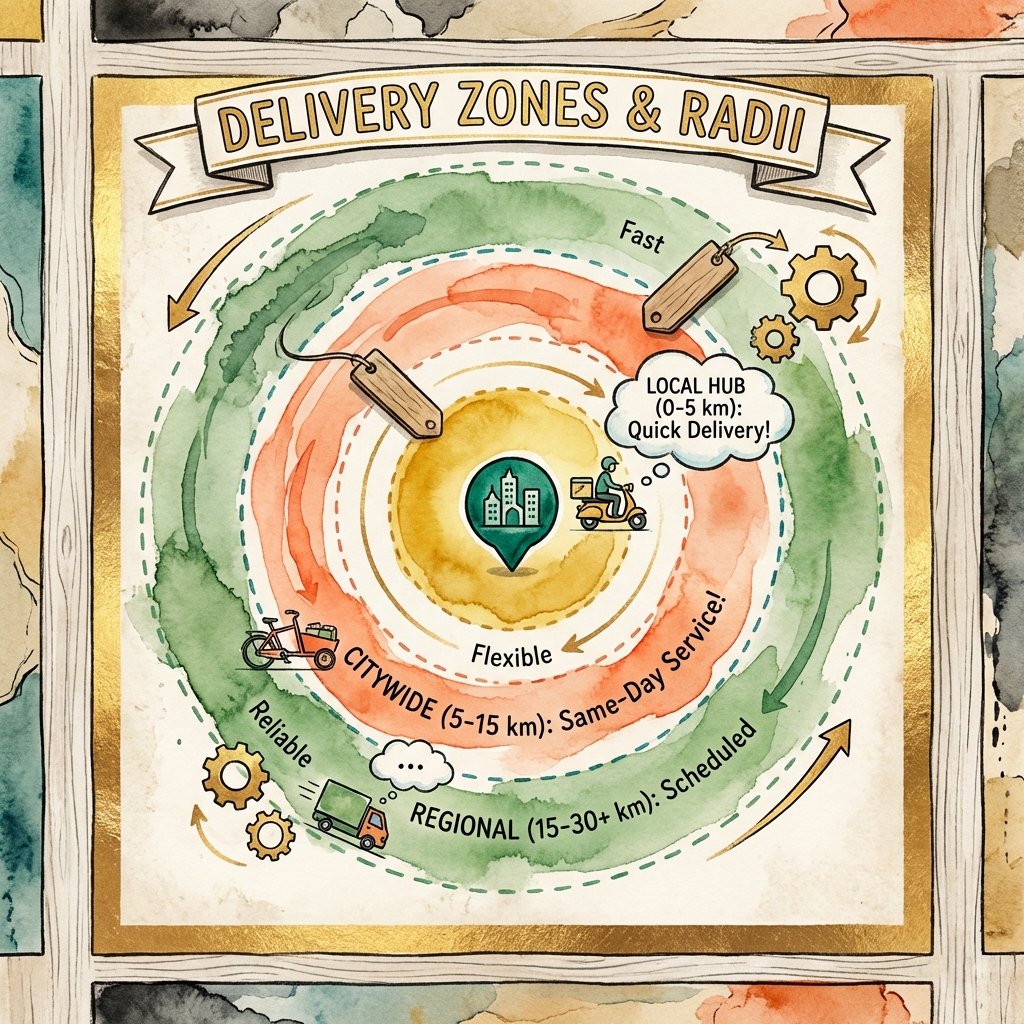
Structuring distance-based delivery mechanisms correctly.
Implementing a distance-based restaurant delivery fee is the most scientifically precise method to insulate your operational margins. By intrinsically linking the charge to the exact driver mileage or predefined geographic zones, you guarantee that every single order is financially viable. This algorithmic approach prevents you from ever subsidizing exhaustive, long-haul deliveries and forces the customer to bear the literal cost of the convenience they are requesting. Distance-based pricing fundamentally protects your bottom line.
To execute this mechanism flawlessly, you must configure your digital ordering system to calculate exact variable radii dynamically. Establishing distinct, tiered geographic zones provides localized clarity while maintaining profitability. To master distance-based charging, strictly enforce the following rules:
- Establish a highly competitive, low-friction base rate for the immediate 0-2 mile primary radius.
- Implement ascending incremental tier fees for every subsequent localized mile (e.g., $1.50 per additional mile).
- Define an absolute, non-negotiable maximum delivery boundary to prevent driver exhaustion and cold food.
- Clearly display the interactive radius mapping on your localized ordering platform to preemptively manage expectations.
Dynamic Pricing Based on Demand Layers
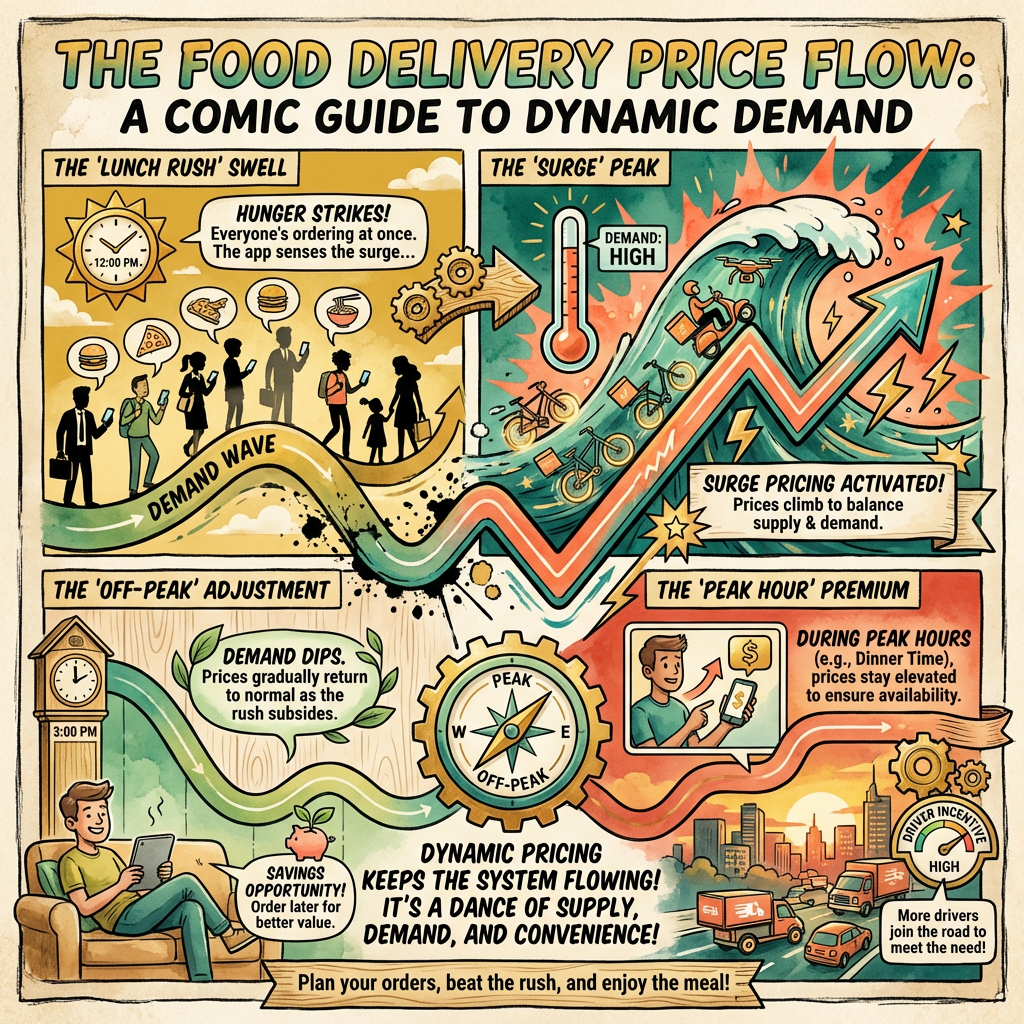
Leveraging dynamic pricing during peak demand layers.
Dynamic pricing represents the absolute pinnacle of technological sophistication in the off-premise ecosystem. Similar to surge pricing utilized by massive ride-sharing networks, a dynamic restaurant delivery fee automatically fluctuates based on real-time external variables such as extreme weather, catastrophic kitchen volume, or localized driver shortages. This system allows you to instantaneously throttle demand during chaotic service hours while maximizing your absolute yield when resources are stretched to their limits. It is a highly aggressive, margin-protecting maneuver.
Deploying dynamic pricing requires deep API integrations and advanced localized algorithms. While it maximizes profitability, it can severely alienate loyal demographic segments if utilized randomly or aggressively without transparency. Implement dynamic pricing using these exact non-negotiable parameters:
- Program automated fee surges strictly during verified severe weather events (e.g., blizzards, torrential rain).
- Throttle delivery accessibility by surging the fee automatically when kitchen ticket times exceed 45 minutes.
- Provide a highly visible, instantly readable disclaimer at the checkout interface explaining the real-time surge explicitly.
- Neutralize the strategy immediately when baseline operational stability and driver availability return to normal.
Percentage of Total Order Value Metrics
Linking your restaurant delivery fee directly to the total monetary value of the customer’s cart is a powerful mechanism for massive scaling. As the size of the order exponentially increases, the logistical complexity, packaging requirements, and driver liability increase simultaneously. A percentage-based fee algorithmically ensures that you capture higher logistical margins on massive family-style feasts and large-scale corporate orders without artificially penalizing the standard single-diner transaction. It allows the fee to scale symbiotically with your revenue.
This specific model requires a very delicate digital calibration to prevent checkout shock on massive tickets. If the percentage is set too aggressively, highly lucrative localized catering orders will abandon the cart immediately. Deploy a percentage-based algorithm effectively by utilizing this blueprint:
- Set the standard localized baseline percentage between 8% to 12% of the absolute subtotal.
- Implement a hard, non-negotiable monetary ‘cap’ on the digital fee to protect massive corporate catering tickets.
- Introduce a secondary flat minimum fee to ensure minuscule orders still cover your core driver dispatch liabilities.
- Calculate the percentage strictly on the pre-tax, pre-discount raw localized subtotal to avoid mathematical compounding.
Subscription Models for Loyal Customers
The subscription paradigm has systematically conquered the digital economy, and independent eateries can ruthlessly leverage this architecture to dominate their local market. By offering a monthly subscription that completely waives the standard restaurant delivery fee, you intentionally trade immediate dispatch margins for massive, stabilized, and predictable recurring revenue. Once a localized diner sinks capital into a monthly delivery pass, they are psychologically locked into utilizing your brand exclusively to maximize their perceived digital ROI. (Discover advanced loyalty program integrations here).
Executing a profitable delivery subscription requires intense unit-level mathematical auditing. You must calculate the exact intersection where extreme frequency offsets the waived transactional dispatch charges. To build an impenetrable subscription moat, adhere to these structural laws:
- Price the monthly subscription specifically at the cost of 2.5 average digital delivery transactions.
- Establish a hard ‘minimum localized order value’ strictly required to activate the free delivery perk per transaction.
- Integrate exclusive localized perks, such as prioritized kitchen routing and secret menu items, for active subscribers.
- Market the subscription aggressively via automated email sequences directly following the customer’s second verified purchase.
Third-Party Apps vs. In-House Delivery Ecosystems
The most critical infrastructure decision an independent operator must finalize is whether to build an organic, internally managed delivery fleet or capitulate to the massive reach of external third-party marketplaces. Operating an in-house logistical network grants you absolute sovereignty over the diner’s experience and your internal margins, but requires exhaustive administrative oversight. Conversely, third-party apps provide instant geographic scale but rapidly cannibalize your profitability through catastrophic commission structures. You must strategically balance these opposing operational forces.
Navigating Platform Commissions and Markups
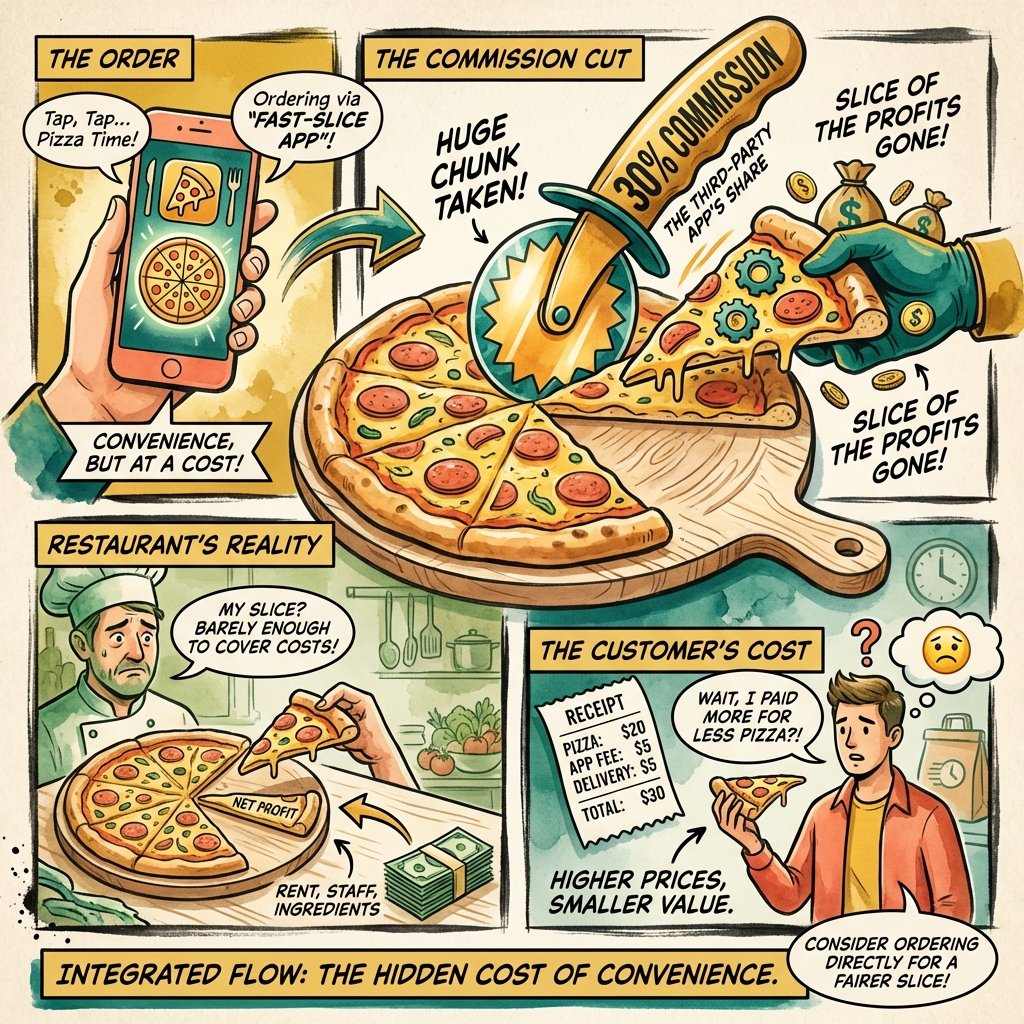
Visualizing the heavy toll of third-party platform commissions.
When you interface with massive third-party delivery aggregators, the publicly displayed restaurant delivery fee is often just a localized illusion masking extreme backend financial extraction. These platforms routinely charge restaurants exorbitant commissions ranging precisely between 15% and 30% of the entire gross transaction value. To survive this predatory ecosystem, independent operators are forced to systematically inflate their digital menu prices specifically on the third-party platforms. You must strategically transfer these structural costs to the end-user while remaining geographically competitive.
According to McKinsey & Company’s comprehensive delivery analysis, mastering the balance between menu markups and volume is critical for digital survival. To insulate your localized margins against third-party extraction, systematically deploy these tactics:
- Calculate your exact break-even menu markup mathematically required to neutralize the specific 30% aggregator commission.
- Utilize distinct, slightly smaller localized portion sizes exclusively for the digital third-party ecosystem to control prime costs.
- Audit your digital listings weekly to ensure the inflated pricing structures remain active and accurately mapped.
- Include highly aggressive localized bounce-back marketing materials inside every third-party bag to drive the next order direct.
Setting Optimal Customer Price Points on Apps
Algorithmically optimizing your customer-facing price points within a third-party marketplace is a complex digital war of psychological perception and strict algorithmic positioning. If your inflated prices shatter the localized ceiling of acceptability, you will instantly plummet in the platform’s ranking algorithms. You must engineer your pricing architecture to gracefully absorb the platform’s extortionate fees without explicitly repelling the casual digital browser. This requires extreme menu engineering and highly sophisticated digital decoy pricing.
To manipulate the algorithmic constraints of the major applications, you must restructure how your localized value is digitally perceived. Implement these precise psychological pricing anchors to maintain massive digital volume:
- Group low-cost, high-margin localized side items into highly lucrative ‘mandatory digital combo’ packages.
- Keep the absolute price of your primary, highly-searched signature item artificially depressed to hook the algorithm.
- Aggressively inflate the pricing on massive add-on modifications and localized beverage upgrades to recover lost margins.
- Leverage the psychological $.99 ending aggressively across the entire digital ecosystem to soften the perception of the markup.
The Financial ROI of an In-House Delivery Fleet
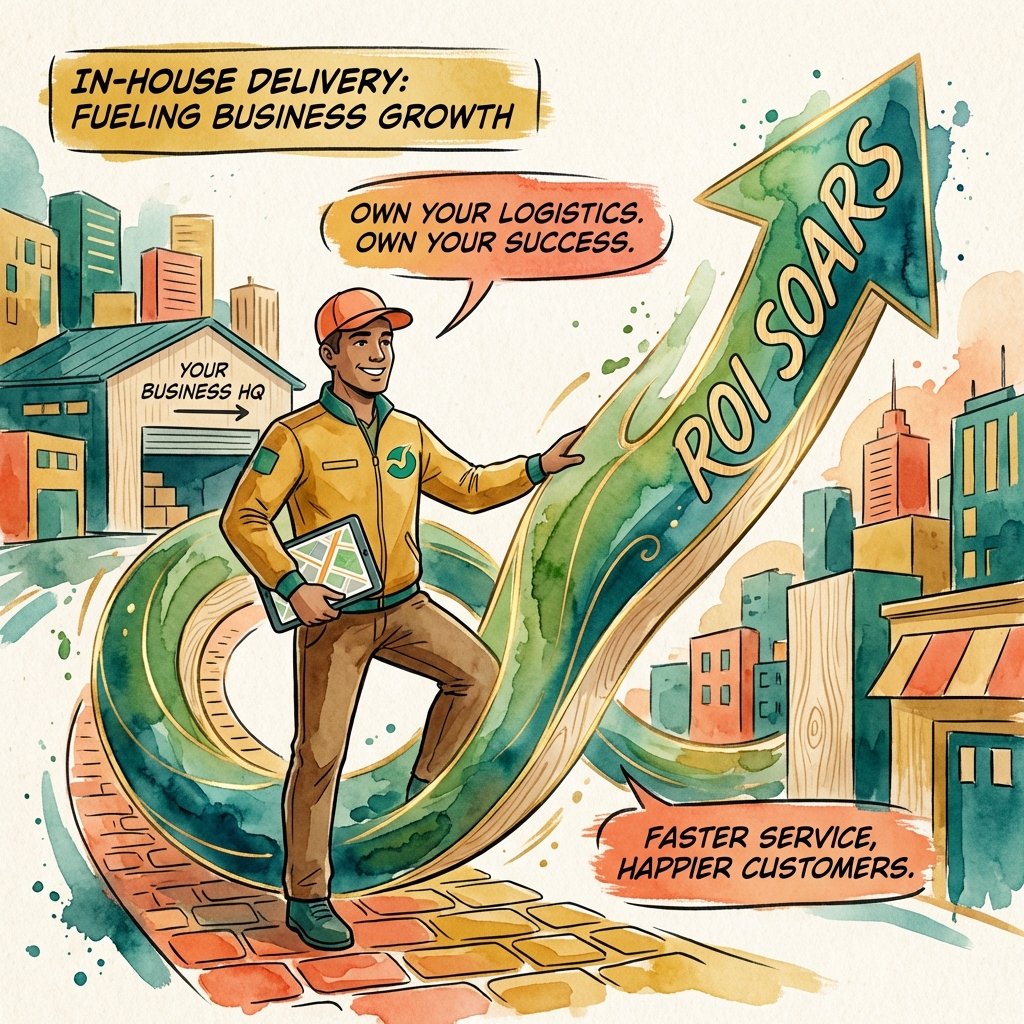
Evaluating the financial returns of an in-house delivery fleet.
Investing capital into a proprietary, internally managed delivery network is the definitive strategy to assert absolute control over your geographic market. While the initial capital expenditure and ongoing logistical liabilities are highly intimidating, the long-term compounding Returns on Investment (ROI) are staggering. By owning the fleet, you recapture the massive 30% commission, control the absolute temperature of the food, and dictate the precise branding of the final physical handoff. You possess the direct relationship with your localized customer base.
Generating an aggressive, margin-positive ROI from your internal dispatch fleet requires extreme localized discipline and zero-tolerance operational procedures. To effectively outmaneuver the tech giants, construct your in-house architecture utilizing these precise frameworks:
- Integrate automated, AI-driven routing dispatch software to minimize driver localized downtime and maximize multi-order batching.
- Transition your entire localized fleet strictly to highly efficient, low-liability delivery vehicles or branded electric scooters.
- Implement an aggressive, highly transparent restaurant delivery fee that goes directly to subsidizing the organic logistics.
- Train your driver fleet obsessively on localized hospitality, utilizing them as mobile, revenue-generating brand ambassadors.
Strategic Pricing to Maximize Order Volume
The overarching objective of the restaurant delivery fee is not simply to recover localized costs, but to actively engineer a pricing structure that psychologically accelerates customer order volume. If your dispatch pricing architecture introduces extreme analytical friction, you will witness massive, catastrophic localized cart abandonment. Strategic pricing dictates that you must meticulously manipulate thresholds, minimums, and absorption models to ensure the diner perceives overwhelming value at the exact moment of the digital checkout.
The Psychology Behind the $4 Delivery Threshold
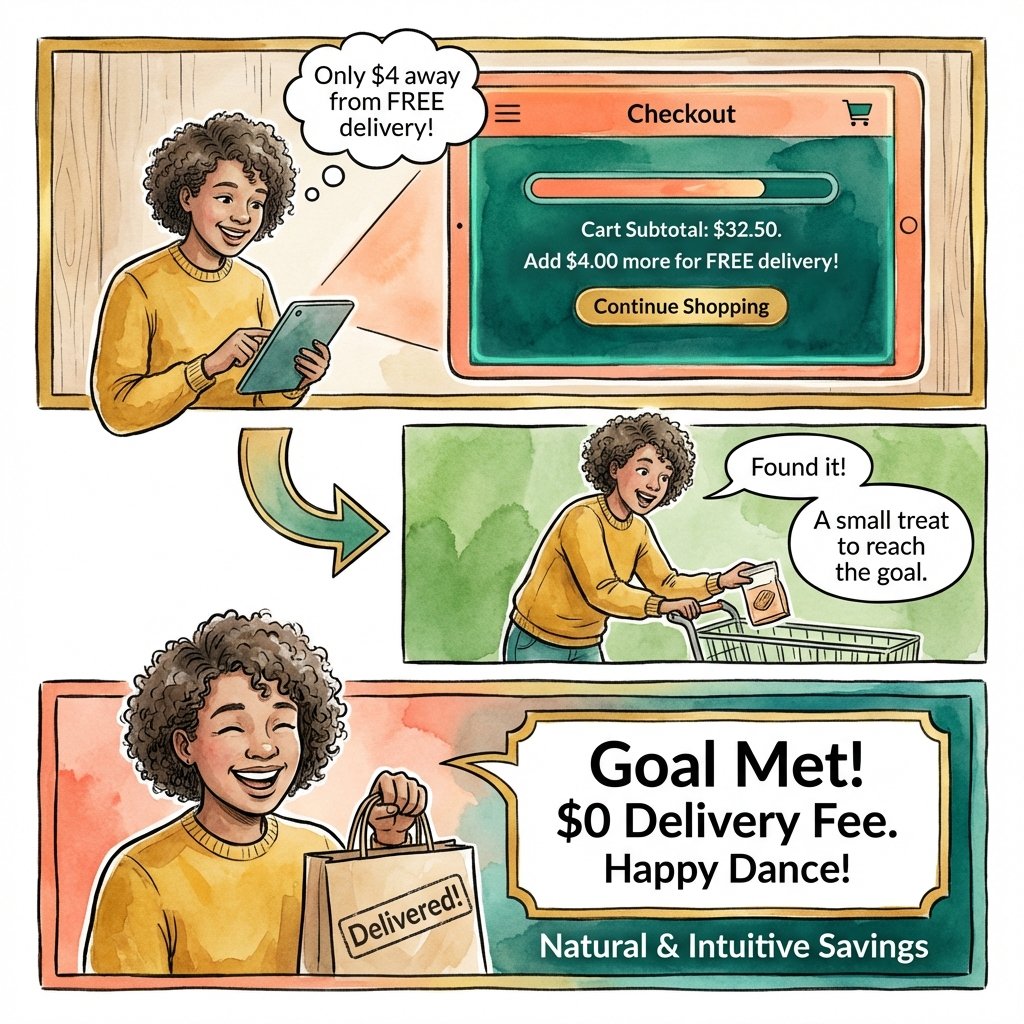
The psychological power of the $4 delivery threshold.
Extensive digital consumer behavioral data has unequivocally proven the existence of a massive psychological barrier surrounding the localized $4 delivery fee mark. When an independent restaurant delivery fee crosses this highly sensitive threshold, conversion rates systematically collapse, and diners inherently begin scrutinizing the entire transaction. By ruthlessly maintaining your standard delivery charge strictly beneath this parameter, you short-circuit the diner’s analytical hesitation and instantly trigger the impulsive, convenience-driven localized checkout process.
Mastering this psychological threshold requires you to strategically restructure where you extract your localized margins across the entire digital ecosystem. To maintain high volume beneath the $4 barrier, execute these calculated adjustments:
- Slightly elevate the core pricing of high-velocity localized digital items by $0.50 to offset the suppressed delivery fee.
- Introduce a highly aggressive, mandatory $1.50 ‘localized packaging fee’ separated visually from the dispatch charge.
- Leverage extreme driver batching logistics to offset the reduced per-order localized revenue intake.
- Heavily promote the ‘Under $4 Delivery’ metric aggressively across all localized social media marketing campaigns.
Balancing Small Order Minimums vs. Delivery Charges
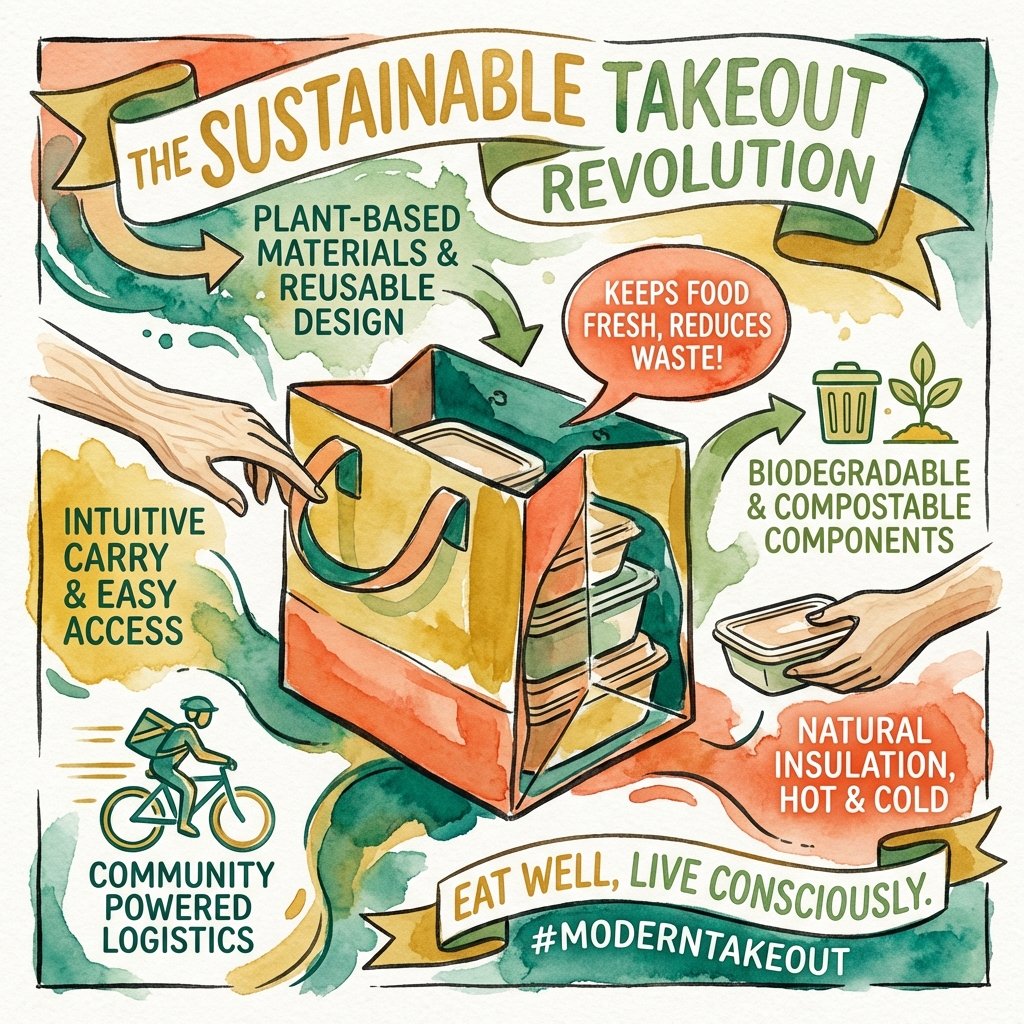
Balancing small order minimums against delivery charges.
Processing highly minuscule, single-item localized digital orders is a fast track to operational bankruptcy for any independent eatery. The dispatch resources, packaging materials, and active labor required to execute a $9 localized order are virtually identical to those required for a massive $60 transaction. To insulate your kitchen from these highly toxic micro-orders, you must algorithmically enforce strict minimum financial thresholds or deploy highly punitive, localized small-order dispatch penalties to force the customer to upscale their absolute cart value.
Striking the optimal balance between establishing localized minimums and maintaining conversion momentum is a very delicate algorithmic art. Protect your internal ecosystem by rigidly enforcing these specific small-order protocols:
- Establish a hard, non-negotiable $15 localized subtotal minimum strictly required to activate standard dispatch protocols.
- Implement a highly punitive $3.00 ‘Small Order localized Surcharge’ specifically for carts falling beneath the strict minimum.
- Configure your digital checkout interface to explicitly recommend highly lucrative localized appetizers to ‘reach the minimum’.
- Analyze the baseline localized average ticket size weekly to continuously recalibrate the highly effective minimum threshold.
When to Absorb the Delivery Cost Completely
Strategically absorbing the restaurant delivery fee entirely and offering ‘Free Localized Delivery’ is an extremely aggressive, high-risk marketing maneuver that must be deployed with extreme localized precision. While nothing drives digital conversion velocities faster than the absolute removal of the dispatch fee, blindly absorbing these massive costs will instantly incinerate your core profitability. You must deploy free dispatch exclusively as a highly controlled, transactional weapon designed to generate massive localized cart values or acquire completely new, high-LTV localized customers.
To execute this highly aggressive maneuver without compromising your absolute financial stability, you must construct an impenetrable structural cage around the offer. Only ever absorb the localized dispatch costs under these exact, highly controlled scenarios:
- Exclusively for massive, highly lucrative localized catering orders drastically exceeding the $150 minimum threshold.
- During a highly coordinated, strictly limited 48-hour promotional blast targeting completely unregistered localized users.
- As a highly prized, instantly redeemable reward exclusively for upper-tier localized loyalty program members.
- When the geographic delivery radius is strictly limited to an incredibly dense, highly walkable 0.5-mile localized zone.
Communicating Delivery Fees to Your Customers
Frictionless digital conversions are generated completely through absolute localized transparency. If a diner feels strategically manipulated or surprised by a massive, hidden restaurant delivery fee at the absolute final stage of the checkout sequence, the resulting psychological resentment will permanently destroy their localized brand loyalty. You must architect an incredibly transparent, highly communicative digital environment that explicitly justifies your localized dispatch costs while continuously reinforcing the absolute quality and integrity of your brand.
Transparency at the Checkout Cart
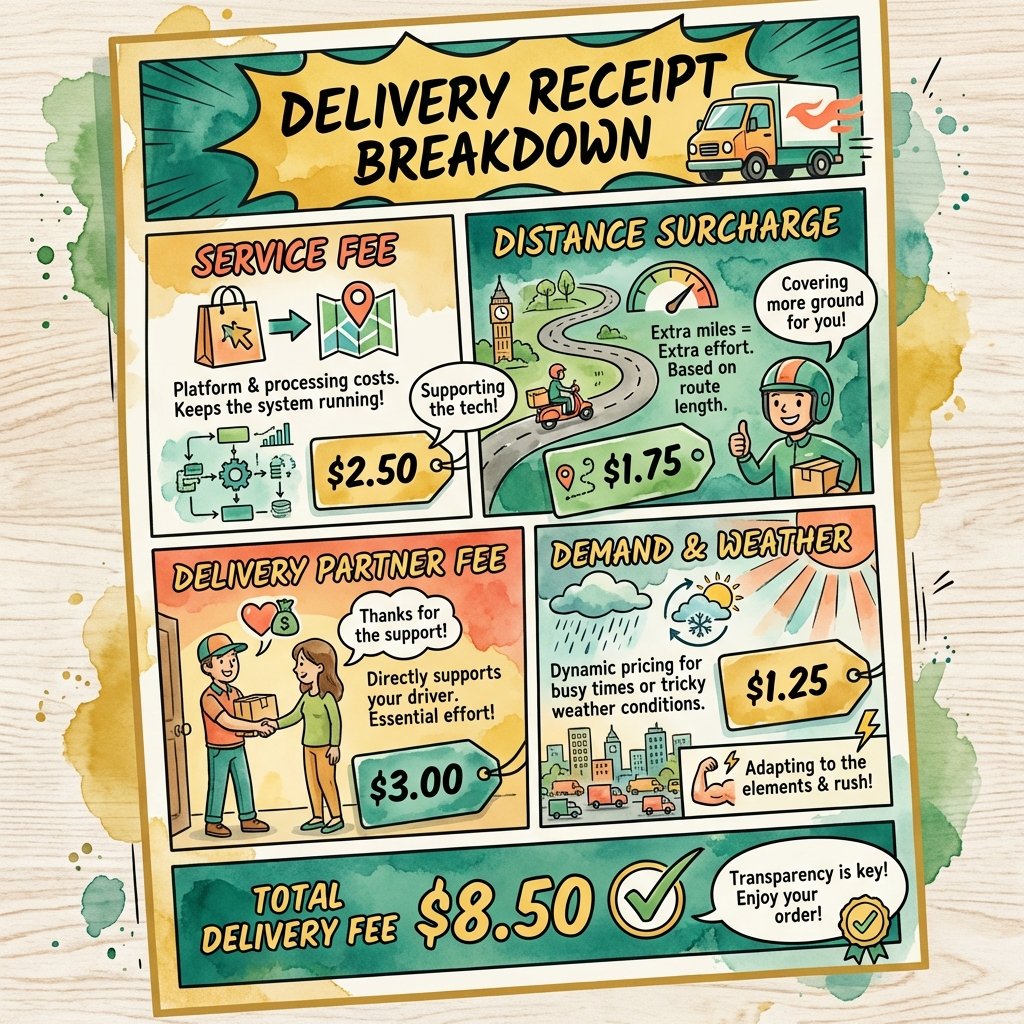
Providing complete transparency at the checkout cart.
Cart abandonment is the ultimate failure metric in the off-premise digital ecosystem. The overwhelming majority of these systematic failures occur at the exact moment excessive, poorly explained localized fees are suddenly injected into the final subtotal. To eliminate this catastrophic drop-off, you must restructure your entire digital checkout interface to provide extreme, highly granular transparency. The customer must intellectually understand exactly what they are paying for long before they reach the final localized payment gateway.
Building an impenetrable, highly transparent localized checkout sequence requires strict digital user interface discipline. You must algorithmically enforce these precise communication protocols across your entire ordering platform:
- Explicitly separate the pure food subtotal, taxes, localized dispatch fees, and driver tip into distinct, highly readable lines.
- Position an interactive, highly visible ‘i’ (information) icon directly next to the fee to explicitly explain its localized purpose.
- State your precise localized delivery fee heavily and prominently on the primary landing page before the customer even begins browsing.
- Guarantee that all applied localized surge pricing or distance-based additions are mathematically highlighted in bright, distinct colors.
Educating Diners on Quality and Driver Fair Pay
The modern localized digital consumer is increasingly highly conscious of systemic ethical operational standards and the exact treatment of gig-economy and independent fleet workers. By actively educating your localized audience that your restaurant delivery fee directly subsidizes fair, living wages for your internal drivers and guarantees the usage of highly sustainable, thermal packaging, you instantly transform a perceived negative fee into a massive localized brand asset. Transparency surrounding exact capital allocation generates massive localized customer trust and fiercely defensive loyalty.
To successfully execute this advanced psychological maneuver, you must integrate your localized messaging seamlessly into your overarching marketing architecture. Reposition the fee utilizing these highly effective narrative frameworks:
- Add a permanent, highly readable localized paragraph to your ‘About Us’ page detailing your exact driver compensation philosophy.
- Print a massive, highly visible localized graphic directly onto the delivery bags highlighting your ‘Fair Wage localized Dispatch’ commitment.
- Craft an automated, highly specific post-delivery localized email reiterating that the dispatch fee directly supported the local driver.
- Publish a transparent, localized annual breakdown on social media showing exactly how dispatch logistics capital is systematically reinvested.
Leveraging Promotions to Offset Perceived Costs
When the absolute mathematical reality of your restaurant delivery fee creates necessary but undeniable psychological friction, you must strategically deploy high-margin localized promotions to aggressively offset the customer’s perceived digital loss. By offering an instantly redeemable localized discount on a specific high-margin appetizer or digital combo, you allow the consumer to emotionally ‘win back’ the exact capital they surrendered to the dispatch fee. This creates a highly positive localized psychological loop. (Review specialized promotional systems here).
Engineering these highly effective offset promotions requires a meticulous understanding of localized food costs and digital conversion limits. Deploy these specific highly lucrative promotional frameworks to neutralize the psychological dispatch friction:
- Offer a highly visible, instantly redeemable complimentary localized dessert or specialized beverage strictly for orders meeting the dispatch minimum.
- Generate a highly specific ‘$5 Off localized Checkout’ digital coupon that mathematically perfectly neutralizes the $4.99 dispatch charge.
- Create massive, highly promoted localized ‘Delivery Exclusive’ combo meals that inherently bundle the dispatch cost into a high perceived-value package.
- Trigger an automated, highly aggressive localized text message offering ‘Free Dispatch on Your Next Active Order’ within a strict 7-day window.
Implementing Your Restaurant Delivery Fee Strategy Today
Analyzing dispatch economics is functionally worthless unless it serves as the direct catalyst for immediate, highly aggressive localized operational execution. The digital landscape is shifting with extreme velocity, and independent operators must immediately audit, recalibrate, and systematically launch their highly optimized restaurant delivery fee structure. To capture massive localized market share and permanently protect your operational margins, you must transition from theoretical planning to absolute, highly disciplined digital implementation today.
Auditing Your Current Delivery Expenditure
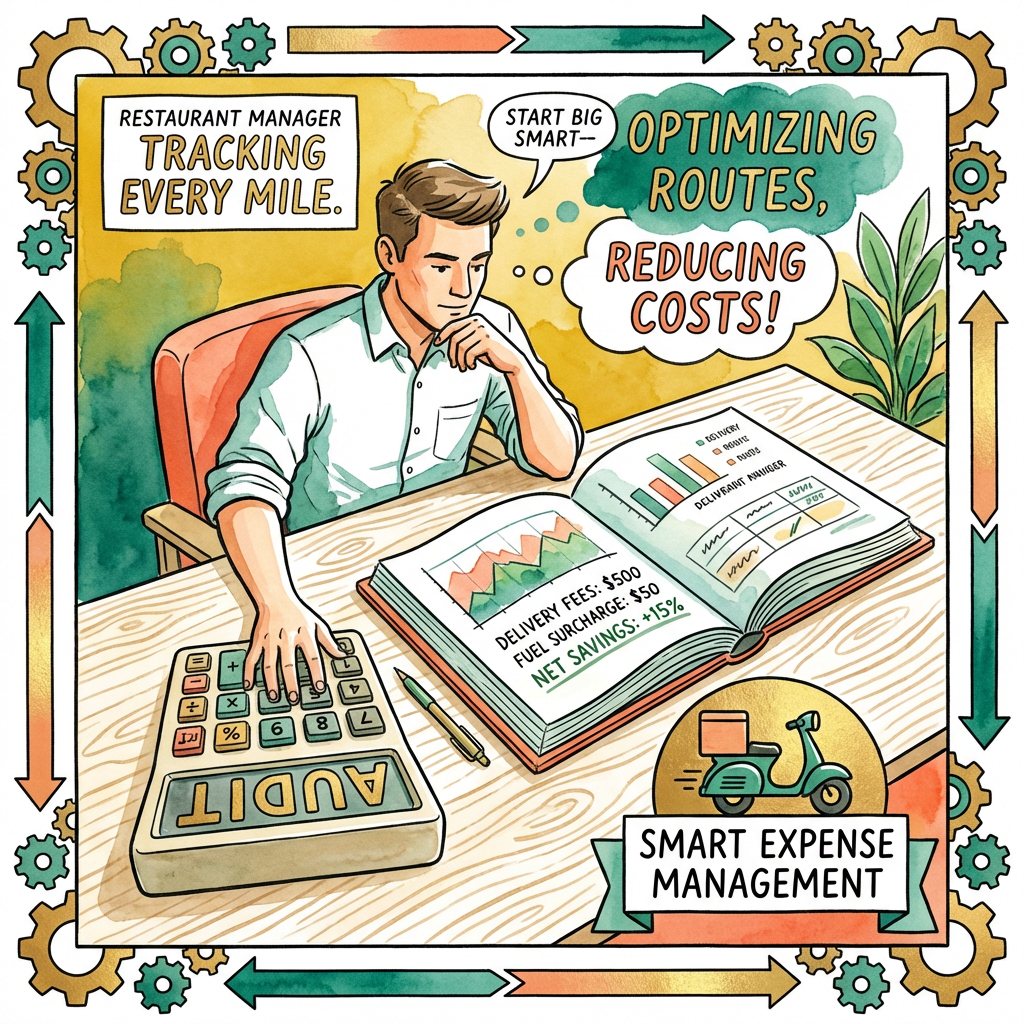
Conducting a routine audit of your delivery expenditures.
The absolute first phase of aggressive implementation demands a ruthless, highly forensic localized audit of your entire existing dispatch infrastructure. You cannot systematically optimize a financial architecture if you do not possess absolute, granular awareness of your current capital hemorrhage. You must violently rip apart your localized Profit & Loss statements, isolating every digital commission, dispatch routing expense, and hidden packaging liability. This massive localized audit will expose the exact structural vulnerabilities currently eroding your bottom line.
Execute this extremely aggressive localized initial audit by meticulously analyzing these specific, highly critical operational components over the preceding 90-day period:
- Calculate the exact, real-world localized dollar amount surrendered aggressively to third-party digital marketplace commissions.
- Audit the complete, localized capital expenditure strictly related to off-premise sustainable packaging and thermal branding.
- Determine the exact, localized per-mile operational expense currently required to successfully operate your organic, in-house vehicle fleet.
- Analyze your precise localized digital cart abandonment rate specifically isolating failures occurring strictly on the final payment interface.
Adjusting Your Margins for Long-Term Growth
Once the localized forensic audit is absolute, you must aggressively engineer a massive structural recalibration of your overarching financial margins. A highly optimized restaurant delivery fee is not a localized band-aid; it is the fundamental core of an incredibly lucrative, immensely scalable off-premise digital empire. You must permanently adjust your localized menu pricing algorithms, refine your exact digital minimum order thresholds, and systematically enforce a highly robust dispatch pricing architecture to guarantee continuous localized profitability.
To finalize the implementation of your highly scalable dispatch empire, you must aggressively deploy these final, non-negotiable structural commandments to secure extreme long-term growth:
- Immediately implement a localized, algorithmic distance-based dispatch fee strictly protecting the incredibly dense 3-mile operational radius.
- Systematically rewrite your localized third-party digital pricing arrays to completely absorb all extortionate external platform commissions.
- Launch an aggressive, highly transparent localized marketing campaign directly educating your demographic on your ‘Fair Wage’ dispatch structure.
- Establish a highly rigid, localized quarterly review cadence to continuously violently audit and optimize dispatch performance metrics.