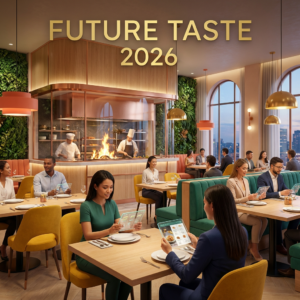
The restaurant industry is experiencing a seismic shift. As competition intensifies and consumer preferences evolve at breakneck speed, relying on traditional methods simply isn’t enough anymore. Moving into 2026, the landscape demands agility, precision, and an unshakeable understanding of what actually brings diners through your doors.
Why Traditional Marketing is Losing Effectiveness
Gone are the days when a simple billboard or a generic newspaper ad guaranteed a packed dining room. The modern consumer is inundated with thousands of daily marketing messages, leading to “ad fatigue.” Furthermore, traditional marketing lacks one critical component: measurability. It’s difficult to track the direct return on investment (ROI) from a flyer drop, leaving restaurant owners guessing about what actually works.
The Shift Toward Data-Driven Restaurant Marketing
Today’s most successful restaurants treat their marketing like a science rather than an art. By harnessing data from point-of-sale (POS) systems, loyalty programs, and online reservations, operators can build highly targeted campaigns. This allows you to understand exactly who your best customers are, what they order, and when they are most likely to return.
Moving from traditional to data-driven marketing provides a competitive edge.
1. Leverage AI and Automation for Targeted Campaigns
Artificial intelligence is no longer an abstract concept; it is a practical tool that is reshaping how restaurants approach online advertising and customer retention.
Implementing Smart, Predictive Online Advertising
AI-powered advertising platforms algorithms to predict which users are most likely to dine at your establishment. Instead of launching broad, inefficient campaigns, smart advertising analyzes thousands of data points to serve your ads exclusively to high-intent audiences.
- Lookalike Audiences: Target users who share similar online behaviors with your best existing customers.
- Predictive Bidding: Automatically adjust your ad spend based on the likelihood of a conversion, ensuring maximum ROI.
- Dynamic Creative Optimization: Automatically test different images, headlines, and offers to determine which combinations drive the most table reservations.
Utilizing Intelligent Remarketing for Repeat Diners
Remarketing allows you to re-engage customers who have previously interacted with your brand online. Intelligent remarketing takes this a step further by using AI to trigger personalized ads based on specific customer actions, such as visiting a menu page without making a reservation.
Harness AI to serve ads to the most likely repeat diners.
2. Dominate Local SEO and Google My Business
When a hungry customer searches for “best Italian restaurant near me,” your establishment needs to appear at the very top of those search results. Local SEO is the foundation of modern restaurant discovery.
Optimizing Your Profile for “Near Me” Searches
Your Google My Business (GMB) profile is arguably more important than your actual website. It acts as the digital storefront for your restaurant. Optimizing this profile is a non-negotiable strategy for capturing highly motivated local traffic. Studies indicate that appearing in the Google “Local Pack” costs five to twenty-five times less than traditional paid search strategies while delivering significantly higher conversion rates.
- Ensure absolute consistency: Your Name, Address, and Phone Number (NAP) must be identical across all online directories.
- Upload high-quality, professional photographs of your dining room, exterior, and most popular menu items.
- Regularly publish Google Posts to announce new menu items, special events, or current promotions.
Strategies for Managing and Showcasing Customer Reviews
Reviews are digital word-of-mouth. A proactive review management strategy improves your local search rankings and builds immediate trust with potential diners.
- Respond to every single review, both positive and negative, within 24 hours to signal active management.
- Implement an automated post-dining SMS system that politely asks satisfied customers for a review.
- Address negative reviews immediately by offering a sincere apology and an offline channel to resolve the issue.
A dominant Google My Business profile captures high-intent local traffic.
3. Maximize Social Media with Video and Influencers
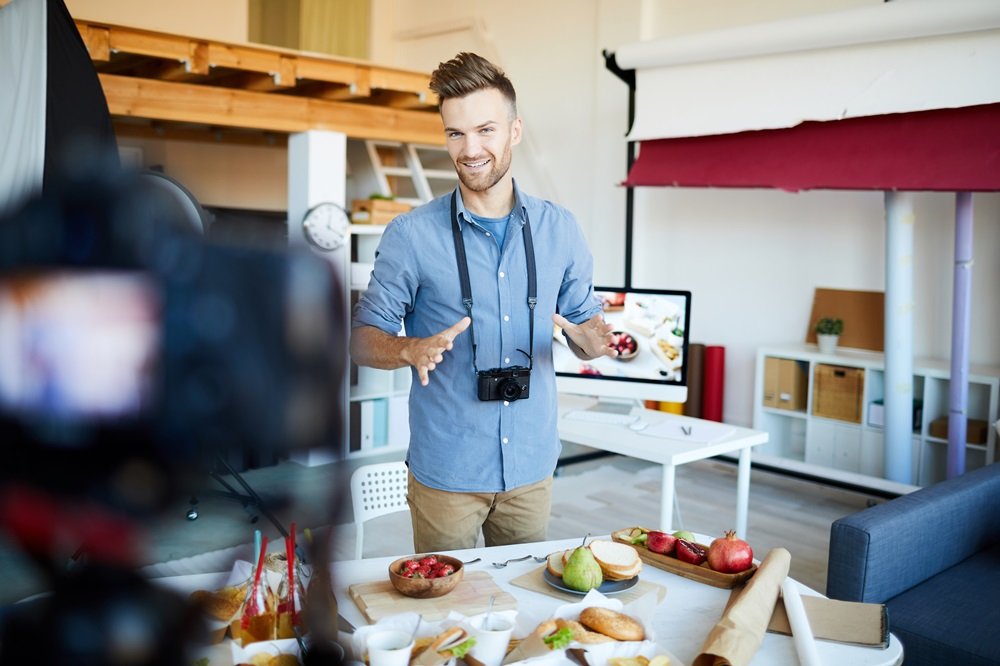
The visual nature of food makes the restaurant industry uniquely suited for social media marketing. However, static images are being rapidly replaced by dynamic, short-form video content.
Creating High-Engagement Content on TikTok and Instagram
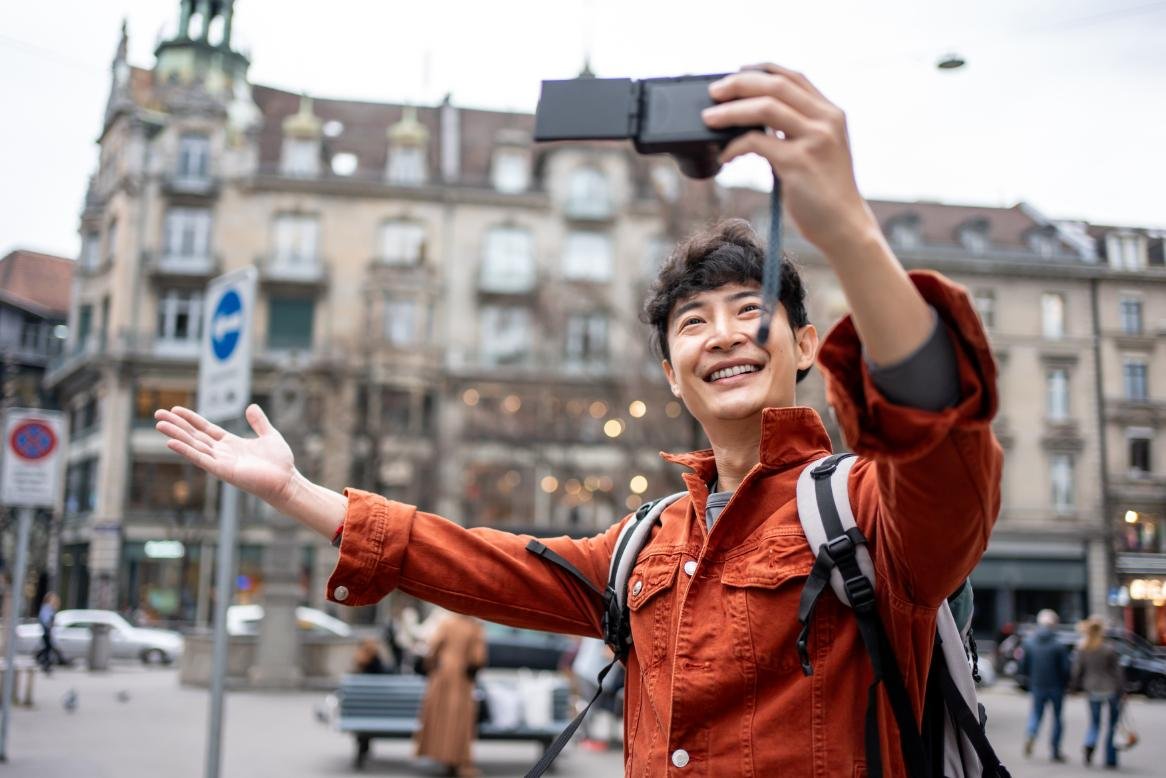
TikTok and Instagram Reels have revolutionized how consumers discover new dining experiences. The algorithmic nature of these platforms means that a well-crafted video can achieve viral reach far beyond your current follower base. The key is authenticity; highly polished corporate videos often underperform compared to genuine, raw footage.
- Showcase the chaotic, high-energy environment of the kitchen during a busy service.
- Highlight the meticulous preparation of your most complex or visually stunning dish.
- Feature your staff members discussing their favorite menu items to humanize your brand.
Partnering with Local Food Creators for Authentic Reach
Food influencers have spent years cultivating hyper-local audiences that trust their recommendations implicitly. Partnering with the right creators provides a massive, immediate boost in visibility and credibility for your restaurant.
Short-form video content humanizes the brand and builds massive reach.
4. Build a High-ROI Email and SMS Marketing Machine
While social media algorithms constantly change, you own your database of email addresses and phone numbers. This direct line of communication remains one of the most cost-effective methods for driving repeat business.
Segmenting Your Audience for Personalized Offers
Sending a generic mass email to your entire customer list is a surefire way to increase unsubscribe rates. The modern approach requires meticulous segmentation. By dividing your audience based on their behaviors and preferences, you can dramatically increase the relevance and conversion rate of your campaigns.
- Identify your “VIPs”—customers who dine with you frequently and have a high average ticket size.
- Segment diners based on specific menu preferences, such as identifying vegetarians or wine enthusiasts.
- Target “churn-risk” customers who haven’t visited in the last 60 to 90 days with aggressive “we miss you” offers.
Automating Post-Visit Follow-Ups and Birthday Campaigns
Automation allows your restaurant to maintain a consistent dialogue with customers without manual intervention. A properly configured automation sequence acts as a silent salesperson, working 24/7 to bring diners back.
Segmented email campaigns deliver the highest ROI of any channel.
5. Redefine Customer Loyalty Programs
The traditional “buy ten coffees, get one free” punch card is obsolete. Today’s consumers expect loyalty programs to deliver immediate, personalized, and experiential value.
Moving Beyond Basic Points to Experiential Rewards
A modern loyalty program should feel like an exclusive club rather than a discount mechanism. By offering rewards that money can’t easily buy, you create a deep emotional connection with your customer base. This approach fosters genuine loyalty rather than just transactional repeat business.
- Offer priority seating or bypassing the waitlist on busy Friday and Saturday nights.
- Provide exclusive access to “off-menu” items or secret seasonal cocktails.
- Host private tasting events exclusively for your highest-tier VIP members.
Utilizing Digital Gift Cards for Easy Sharing
Digital gift cards represent immediate revenue and a highly effective customer acquisition engine. For deeper insights on creative promotion formats, integrating this with catering expansion strategies can yield compounding results.
Modern loyalty programs reward experiences over simple points.
6. Host Experiential and Community-Driven Events
In an era dominated by digital interactions, physical, experiential events provide a compelling reason for consumers to leave their homes and visit your restaurant.
Designing Themed Nights and Special Tastings
Transforming a standard Tuesday night into a distinct occasion can dramatically shift your weekly revenue curve. Themed events create a sense of scarcity and novelty, prompting immediate bookings from customers who might otherwise stay home.
- Partner with local breweries for a five-course paired dinner.
- Host interactive pasta-making or cocktail-mixing masterclasses during off-peak hours.
- Launch a retro-themed night featuring completely throwback menus and corresponding ambiance.
Sponsoring Local Organizations and Building Goodwill
Restaurants are the anchors of local communities. By actively participating in and sponsoring local initiatives, you build an impenetrable layer of goodwill that insulates you from competitors.
Themed events transform a standard meal into a memorable occasion.
7. Optimize the Online Ordering and Delivery Experience
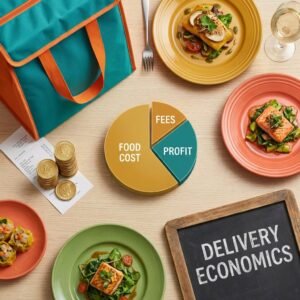
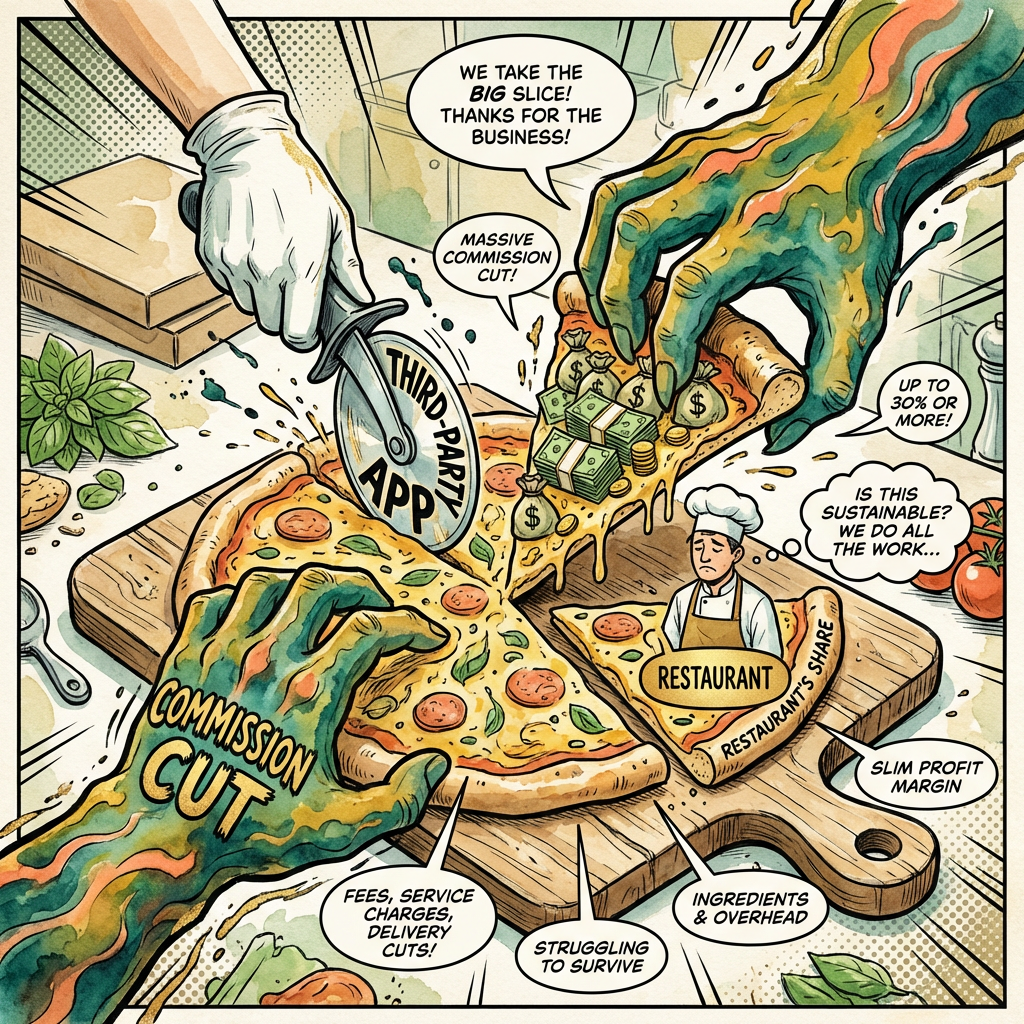
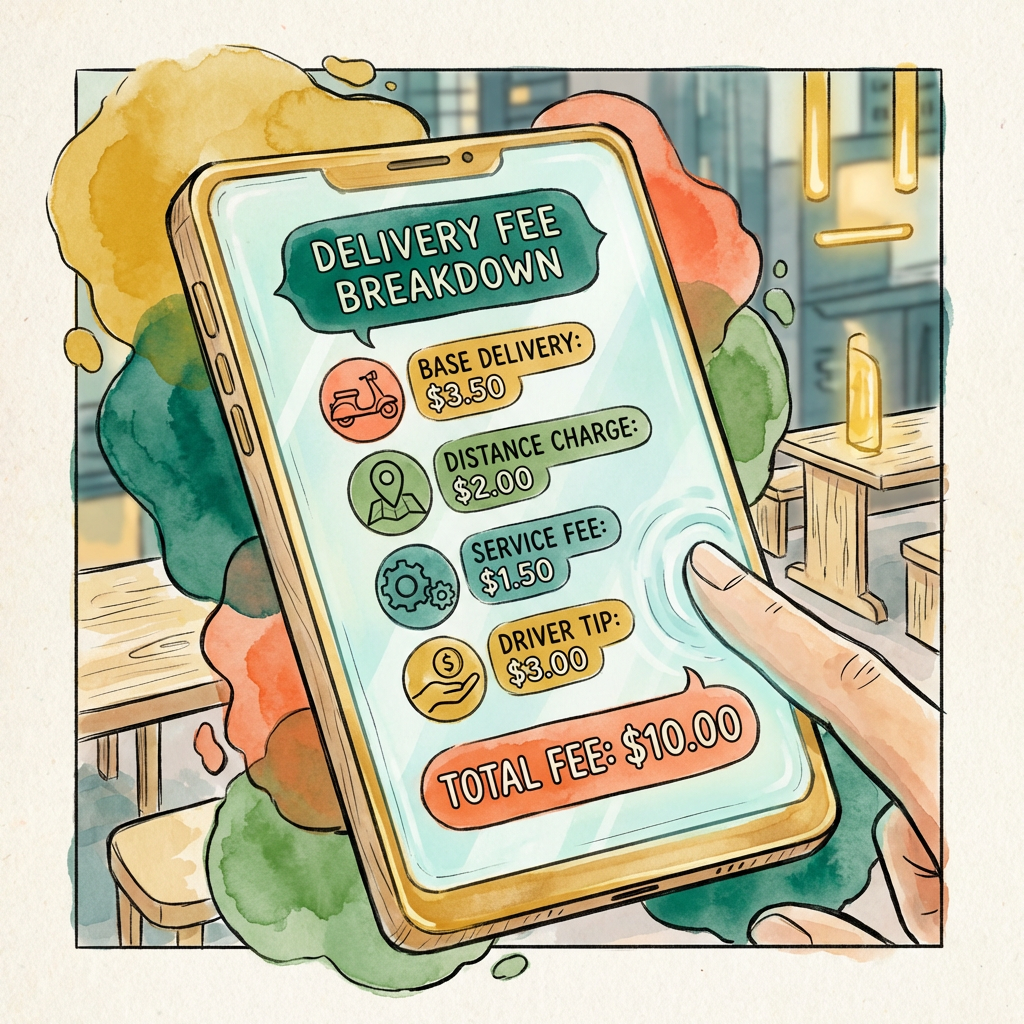
The explosion of digital off-premise dining has permanently altered the restaurant landscape. However, the convenience of delivery often challenges profitability due to steep third-party commissions.
Taking Control of First-Party Delivery Platforms
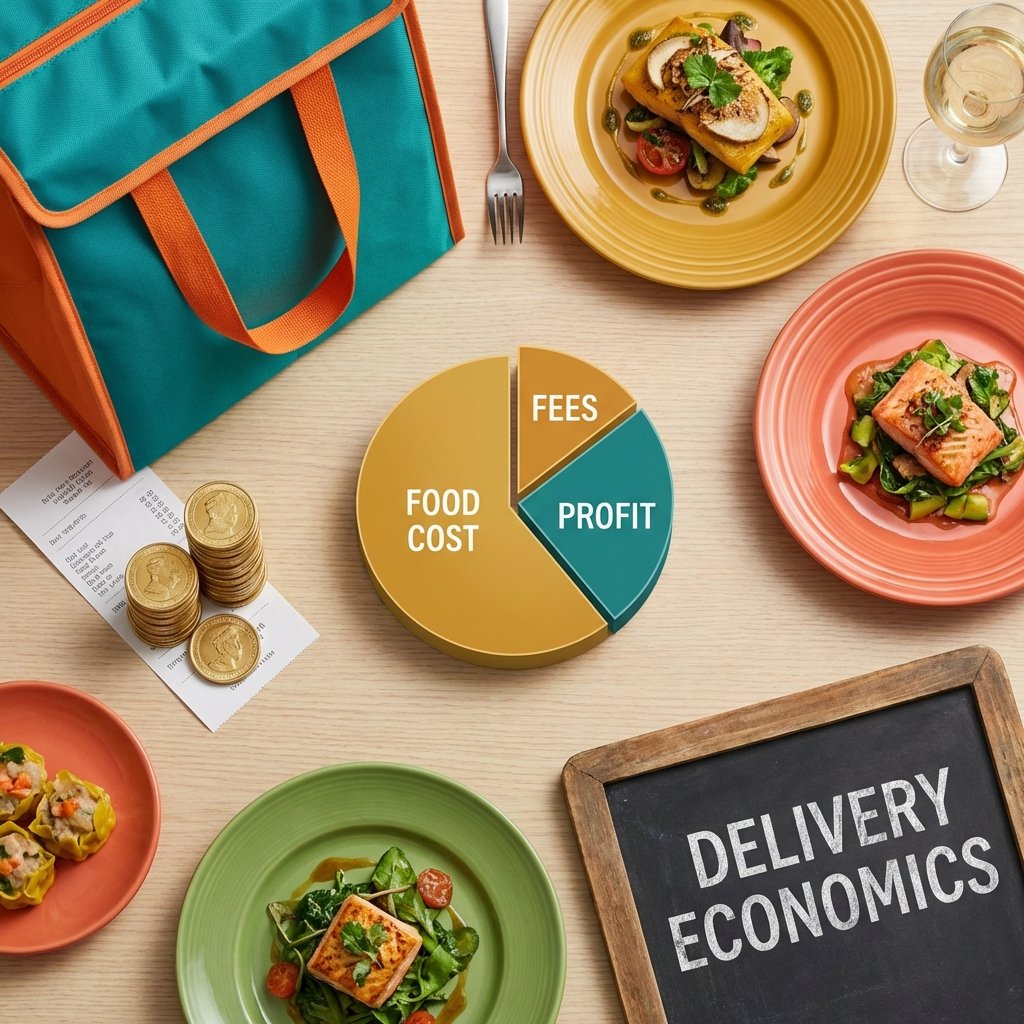
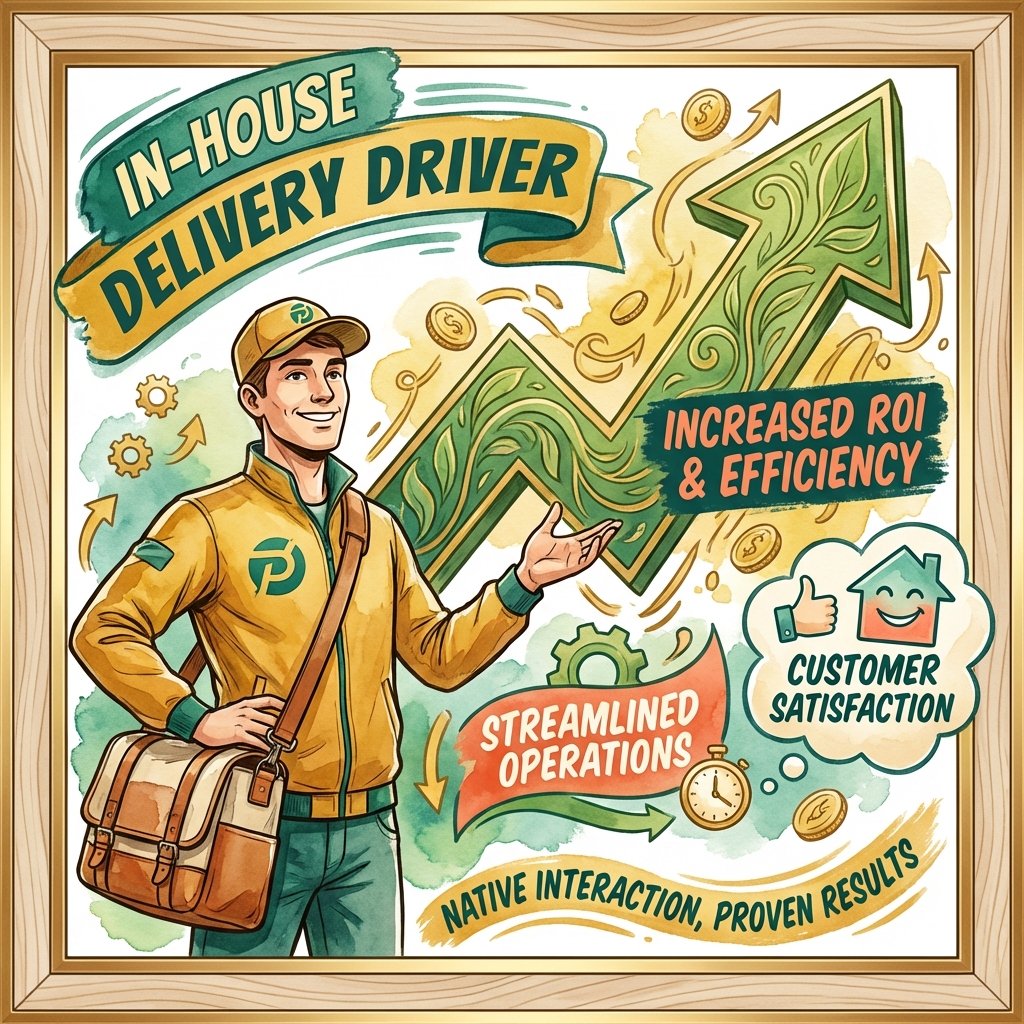
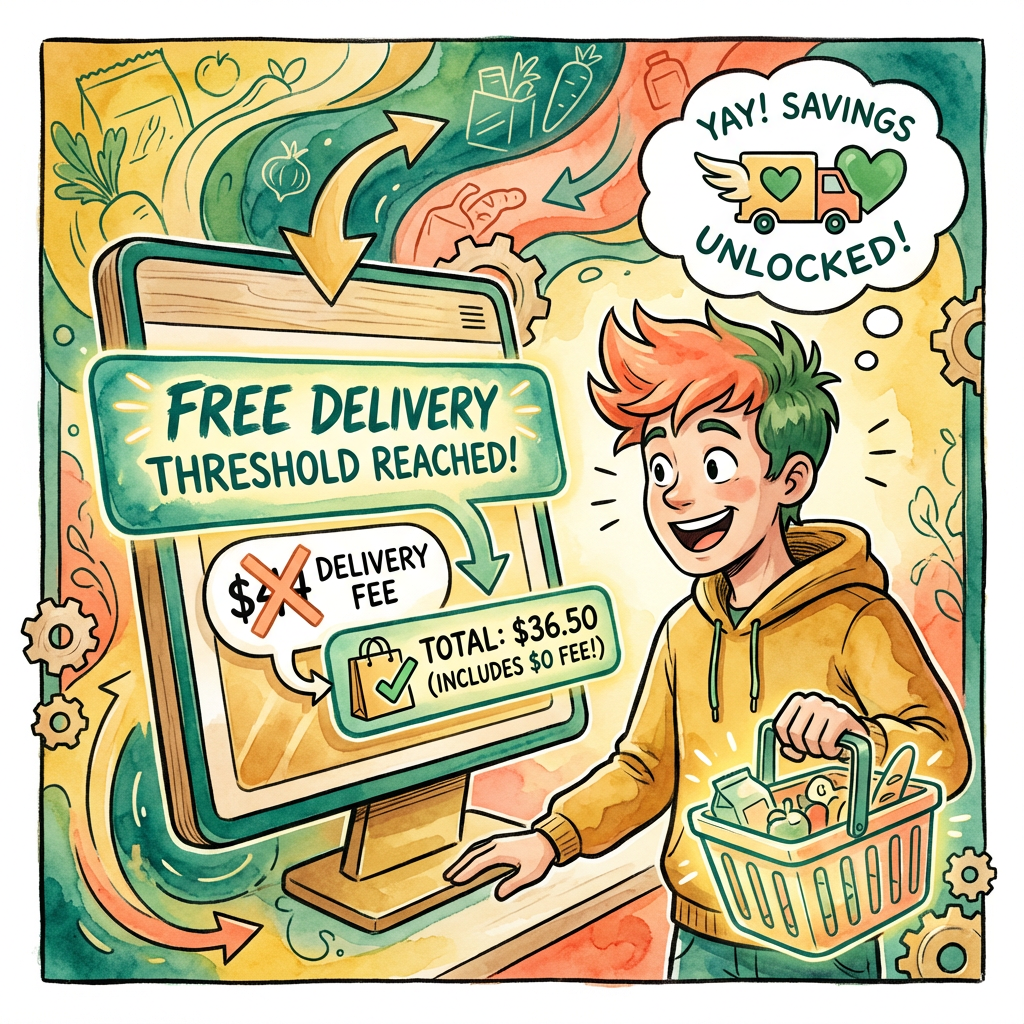
To protect your margins, transitioning customers from third-party apps (like UberEats or DoorDash) to your own native ordering platform is critical. This direct relationship allows you to retain customer data, avoid massive commission fees, and deliver a branded experience that you control from checkout to the front door.
- Place promotional inserts inside all third-party delivery bags offering a percentage discount on their next direct order.
- Ensure your native ordering interface is frictionless, mobile-optimized, and loads instantly.
- Integrate an aggressive loyalty point multiplier specifically for direct, native orders.
Crafting Upsell Opportunities in the Digital Checkout
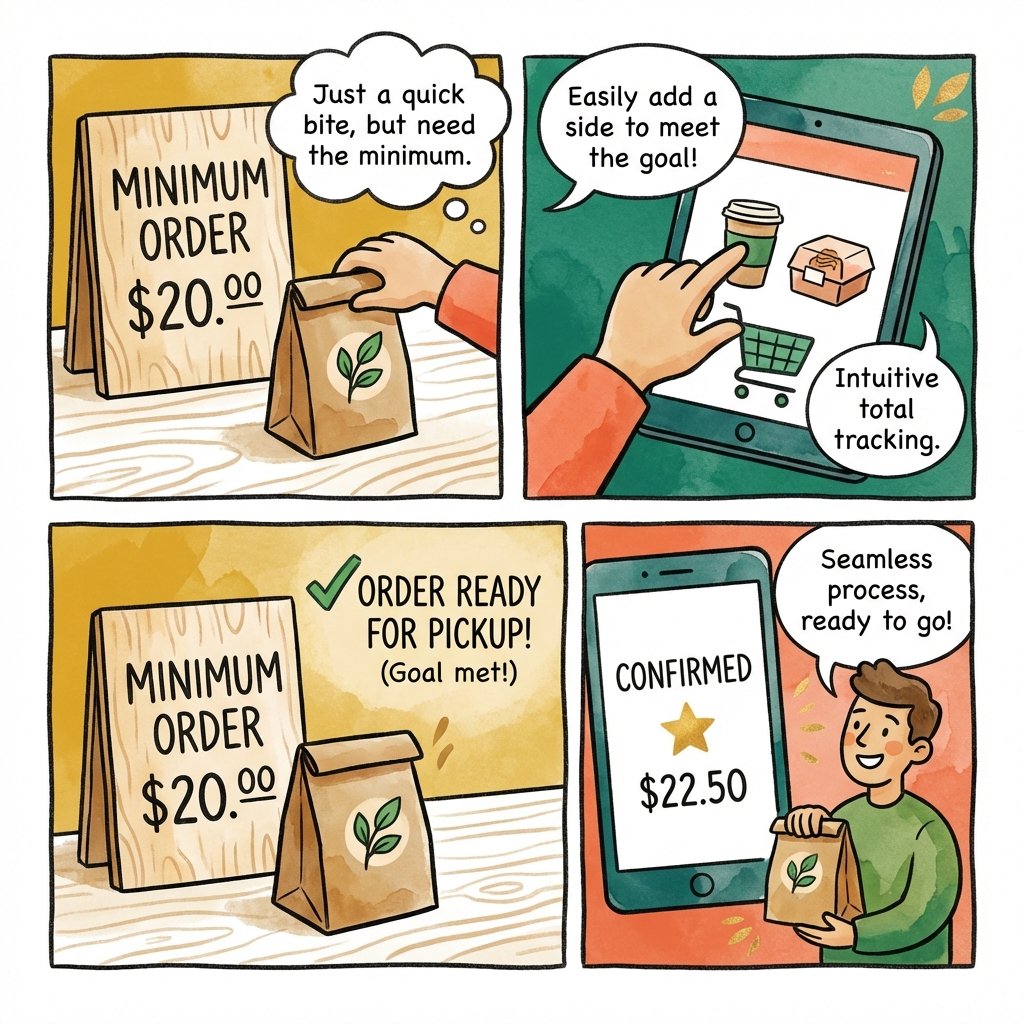
A digital menu presents unparalleled opportunities for suggestive selling. Unlike a busy server, an optimized checkout flow perfectly executes upsell tactics on every single transaction without fail.
An optimized online ordering flow maximizes average ticket size.
8. Strategic Pricing and Time-Based Promotions
Instead of across-the-board discounting—which rapidly degrades your brand perception and profit margins—today’s most successful venues utilize precision-targeted, time-based promotions to optimize demand.
Implementing Dynamic Pricing for Slow Periods
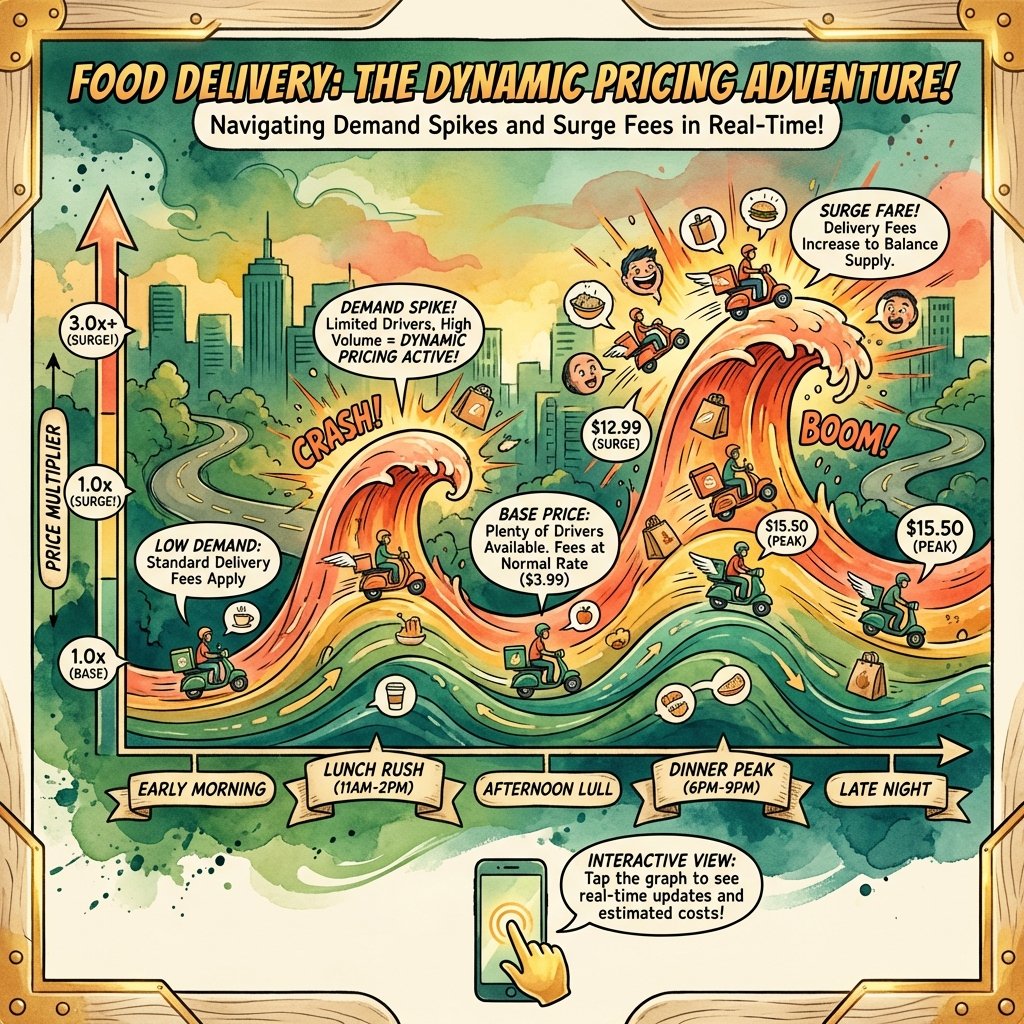
Airlines and ride-sharing apps have utilized dynamic pricing for years. Restaurants are now adopting similar models. Adjusting prices to stimulate demand during your quietest hours ensures that your fixed costs (like rent and labor) are continually offset.
- Introduce an escalating happy hour where drink prices increase by $1 every hour between 3:00 PM and 6:00 PM.
- Offer a pre-theater or early-bird menu exclusive to diners seated before 5:30 PM.
- Provide significant discounts to local industry workers on traditionally slow Monday or Tuesday nights.
Launching High-Urgency, Limited-Time Offers
Limited-time offers force immediate action. When customers know a unique menu item or deep discount will vanish by the weekend, their fear of missing out overrides their hesitation to make a dining decision today.
Time-based promotions drive traffic during off-peak hours.
Conclusion: Building a Sustainable Marketing Engine
Generating initial awareness is relatively easy; consistently filling tables week after week requires a system. Implementing these high-converting restaurant promotion ideas will transform your sporadic marketing efforts into a predictable growth machine for 2026.
Measuring the Success of Your Promotion Campaigns
The transition from traditional to data-driven marketing means that every dollar spent must be accountable. You must rigorously track the Customer Acquisition Cost (CAC) against the Lifetime Value (LTV) of the average diner. A robust POS system integrated directly with your loyalty software is non-negotiable for proving out these complex metrics.
- Evaluate the direct redemption rates of specific promotional codes rather than relying on overall daily sales increases.
- Segment traffic sources in Google Analytics to verify how many online reservations originated from organic SEO versus paid social campaigns.
- Survey new customers to determine exactly where they discovered your brand to double down on the most effective channels.
Next Steps for Continuous Growth
Restaurant marketing in 2026 is an ongoing process of iteration. By systematically implementing personalized customer outreach, dominating the local search engine optimization space, and creating highly visual, authentic content on social platforms, you insulate your business against shifting consumer trends and guarantee long-term profitability.
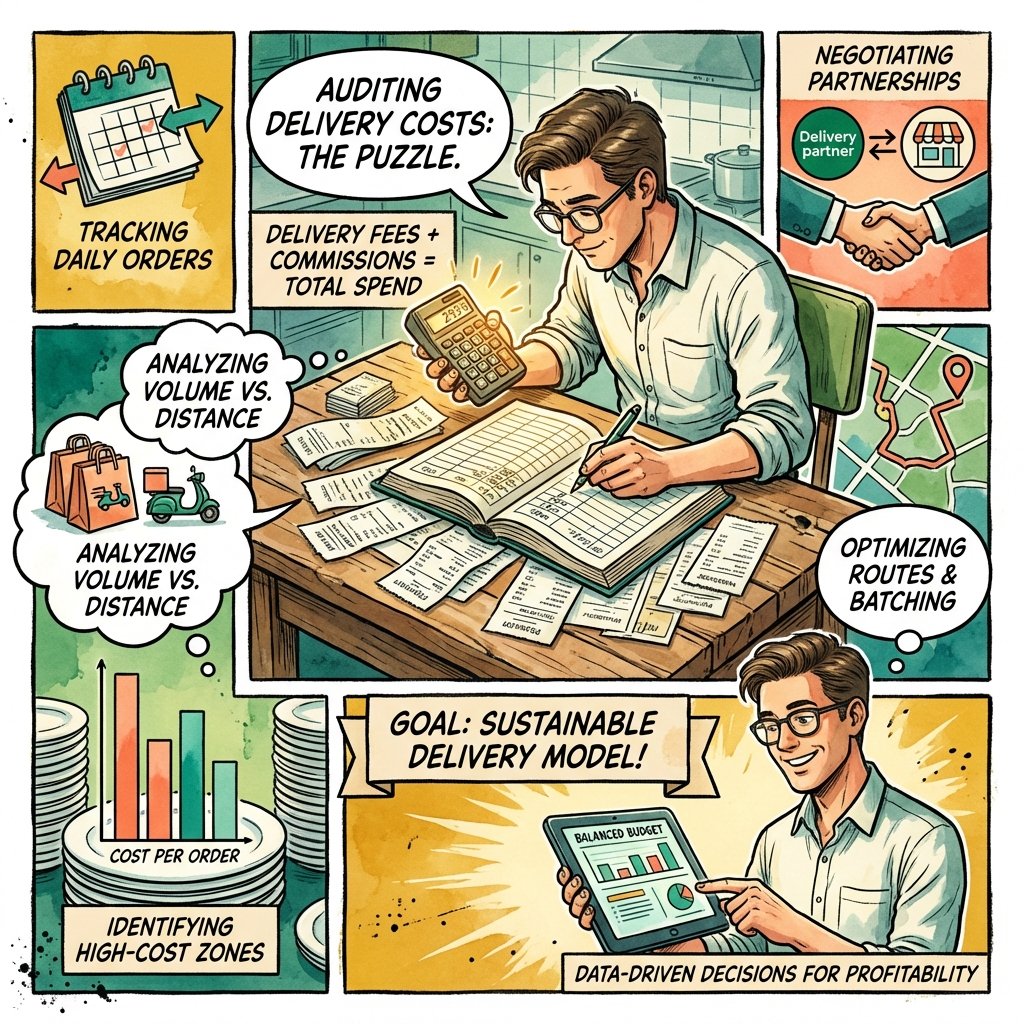
A sustainable marketing engine guarantees long-term profitability.